
nydia@aluminumhm.com

News
Haomei Aluminum CO., LTD.
Wholesale Coated Aluminium Sheet
Wholesale coated aluminium sheet purchasing is less about chasing the lowest offer and more about locking in a repeatable specification that survives forming, weathering, transport, and downstream fabrication. When buyers treat wholesale coated aluminium sheet as an engineered input - not a commodity - claims, color disputes, and coating failures drop sharply. This guide explains how to evaluate wholesale coated aluminium sheet by alloy, pretreatment, coating chemistry, performance metrics, and export documentation so distributors and end users can buy with confidence.
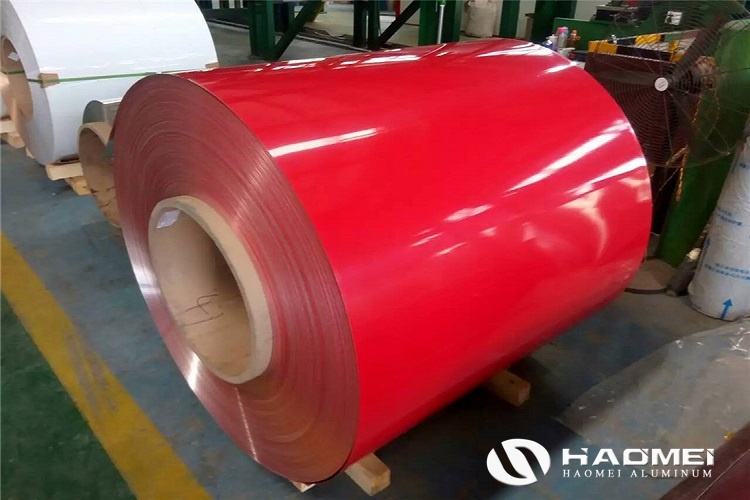
Why wholesale coated aluminium sheet performance is defined by the system (not just the paint)
A reliable wholesale coated aluminium sheet is a multilayer system: aluminum substrate → surface pretreatment → primer → topcoat (and sometimes backcoat). Problems usually occur when one layer is optimized in isolation.
Key system variables to align before you place a wholesale coated aluminium sheet order:
Substrate alloy/temper: impacts flatness, bendability, and dent resistance.
Pretreatment (chromate-free conversion, etc.): drives adhesion and corrosion resistance.
Primer + topcoat chemistry: determines UV durability, chemical resistance, and gloss retention.
Curing control: under-cure leads to poor solvent resistance; over-cure can embrittle films.
Protective film & packaging: prevents transit scuffs that later look like "paint defects."
For buyers supplying signage, cladding, appliance panels, transport interiors, or cable trays, specifying the whole system is the fastest way to stabilize customer complaints.
Wholesale coated aluminium sheet alloy and temper choices that reduce downstream risk
Selecting the right alloy is often the difference between smooth forming and edge cracking. In wholesale coated aluminium sheet, the common families are:
1xxx (e.g., 1050/1100): high purity, excellent formability and conductivity; softer, more prone to dents.
3xxx (e.g., 3003/3005): manganese alloyed; good balance of strength and formability—widely used for architectural and general fabrication.
5xxx (e.g., 5052): higher strength and better marine corrosion resistance; tighter forming radius requires careful validation.
Temper guidance (general):
H14/H24: medium hardness for general panels; good handling strength.
H18/H19: harder, better dent resistance; may reduce bendability.
For distributors, the safest repeat spec for mixed applications is often a 3xxx alloy with mid temper, then adjust only if the customer has a tight bending radius or needs extra stiffness.
Wholesale coated aluminium sheet coating systems: PE vs PVDF and when each makes business sense
A professional wholesale coated aluminium sheet quote should clearly state coating type, thickness, and performance standard.
Wholesale coated aluminium sheet with PE coating (cost-effective interiors and light exterior)
PE (polyester) is widely used because it provides good appearance, flexibility, and economic value. It's often chosen for:
Interior ceiling systems
Decorative panels
General industrial enclosures
Short-to-medium lifecycle exterior projects (depending on environment)
PE is not "low quality" by default; the resin grade, pigments, and curing accuracy matter. For buyers, request solvent rub and adhesion tests on every batch to reduce variability.
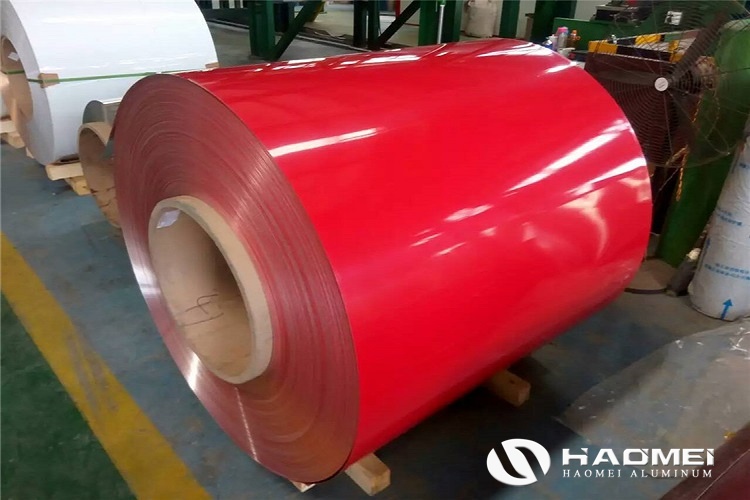
Wholesale coated aluminium sheet with PVDF coating (long-life architecture)
PVDF is preferred for demanding exterior use—high UV, coastal air, pollution exposure—because it holds color and gloss longer.
PVDF is typically specified for:
Curtain wall and façade panels
Canopies and sunshades
Exterior cladding in hot or coastal regions
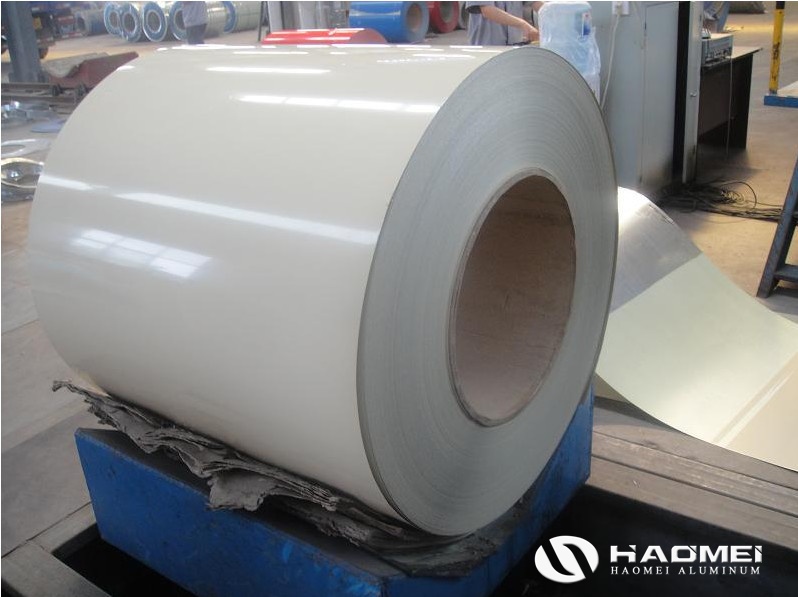
Specification checklist for wholesale coated aluminium sheet (what to put on the PO)
If you want consistent import quality, treat the PO as a technical document. For wholesale coated aluminium sheet, include:
Alloy & temper (e.g., AA3003 H24)
Sheet thickness (substrate) and tolerance requirement
Width/length and dimensional tolerances
Coating system (PE/PVDF), coating structure (2-coat-2-bake, etc.)
Coating thickness (topcoat/primer/backcoat)
Color standard (RAL code, Pantone, or customer master sample), ΔE tolerance, gloss range
Surface finish (high gloss, matte, textured, metallic)
Protective film type and peel strength (important for laser cutting and bending)
Application environment (interior, exterior, coastal, chemical exposure)
Test standard & acceptance criteria (adhesion, impact, bend, solvent rub, salt spray as applicable)
Packing method (interleaving, pallet, edge protection, moisture barrier)
If you're also supplying coils for slitting, align coil ID/OD, weight limits, and anti-rust packing details. For product context, many buyers cross-compare sheets and coil programs such as coated aluminum coil to optimize freight and fabrication cost.
Quality control for wholesale coated aluminium sheet: practical tests buyers should ask for
A good wholesale coated aluminium sheet supplier can provide routine QC records plus third-party inspection options. The most useful checks are simple and objective:
Film thickness: verify topcoat/primer with calibrated gauge
Adhesion: cross-hatch + tape test (report method and rating)
Bend (T-bend): checks crack resistance after forming
Impact resistance: front/back impact performance
MEK solvent rub: quick indicator of cure quality
Color & gloss: spectrophotometer readings, ΔE and gloss units
Surface inspection: pinholes, particles, roll marks, edge paint build-up
For exterior projects, add:
Salt spray (relative comparison, not a lifetime predictor)
Humidity resistance
Accelerated weathering (if project spec requires it)
As an export consultant's rule of thumb: if the supplier can't describe their cure control (PMT monitoring, line speed, oven zoning), coating consistency will vary—especially on darker colors.
Market observations: what drives wholesale coated aluminium sheet pricing and lead time
Wholesale coated aluminium sheet pricing typically moves with three variables:
Aluminum ingot price (LME-linked) and local conversion cost
Coating system and pigment selection (PVDF, metallics, and high-durability pigments cost more)
Production complexity (small lots, many colors, tight tolerances increase setup cost)
Lead time is often governed by color scheduling and substrate availability. If you frequently reorder the same items, negotiate a repeat program with fixed color books and tolerances to shorten confirmation time.
For buyers serving diverse end markets, it's useful to maintain a core SKU set and expand with project colors only when margins justify it. If you need a stable sheet program for distribution, evaluate dedicated product ranges like coated aluminium sheet that match your regional standards.
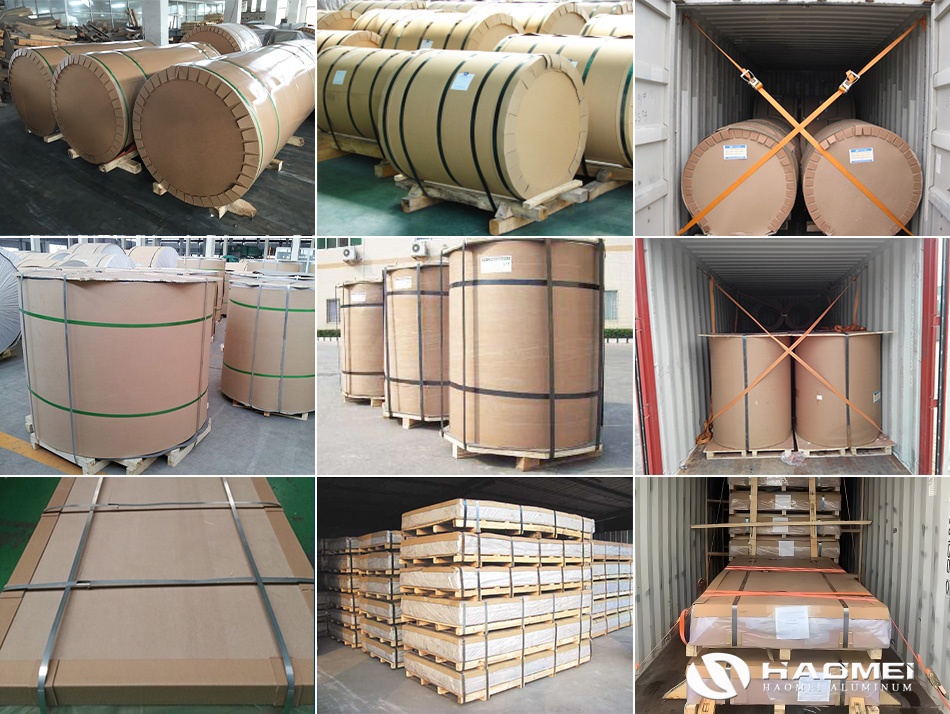
Packaging and logistics: where wholesale coated aluminium sheet gets damaged
A large share of wholesale coated aluminium sheet complaints are logistics-related rather than manufacturing defects. Common damage points:
Forklift contact on edges and corners
Moisture ingress leading to staining or film adhesion changes
Vibration rub between sheets without interleaving
Over-tension strapping that imprints coating
Better packing practices to request:
Paper/plastic interleaving for sheets
Strong edge protectors and corner guards
Desiccant + sealed moisture barrier for sea freight
Clear "do not double stack" marks where necessary
How to choose a wholesale coated aluminium sheet supplier (technical + commercial signals)
For wholesale coated aluminium sheet sourcing, the best suppliers look strong in both process capability and export discipline:
Coil coating line capability: stable speed, controlled pretreatment, documented curing
Traceability: batch/coil numbers linked to QC reports
Color management: spectro-based control and retained standards
Documentation: MTC/COC, packing list accuracy, HS code familiarity
Claim handling: clear sampling rules and corrective-action process
Commercially, ask how they control variations between lots, what minimum order quantities apply per color, and whether they can support mixed-container loading without compromising packaging.
Application-driven guidance: matching wholesale coated aluminium sheet to end use
Use-case mapping helps keep wholesale coated aluminium sheet decisions rational:
Exterior cladding/façade: PVDF, higher-performance pigments, tighter color tolerance
Interior panels/ceilings: PE is typically sufficient; prioritize flatness and scratch resistance
Signage and channel letters: focus on bend performance, film selection, and gloss consistency
Appliance/industrial enclosures: solvent rub, impact resistance, and consistent film thickness
Coastal/industrial zones: emphasize pretreatment quality, edge protection, and PVDF options
When you define environment + fabrication method (bending radius, punching, roll forming), your Wholesale Coated Aluminium Sheet spec becomes repeatable across suppliers and easier to inspect on arrival.
Practical buying tips for wholesale coated aluminium sheet orders
To keep wholesale coated aluminium sheet procurement predictable:
Request a pre-production color approval (lab sample or small run) for new colors.
Specify ΔE tolerance and gloss range in writing, not verbally.
Align protective film with your process (laser cutting, press brake, embossing).
Use third-party inspection on the first order, then shift to periodic audits.
Standardize a "golden sample" and keep it protected from UV/heat to avoid drift.
When your documentation, inspection points, and packaging controls are consistent, wholesale coated aluminium sheet becomes a stable input for global distribution—less rework, fewer disputes, and more predictable customer satisfaction.
ABOUT US
PRODUCTS
APPLICATION
CONTACT US
Mobile: +86-18137889531 (same number on WeChat)
Phone: +86-371-65621391
Email: nydia@aluminumhm.com
No.14 Waihuan Road, CBD,
Zhengzhou, China


Copyright © 2026 Haomei Aluminum CO., LTD.