
nydia@aluminumhm.com

News
Haomei Aluminum CO., LTD.
Pre Painted Aluminum Sheet Manufacturer
The market for architectural skins and lightweight industrial panels keeps moving toward materials that combine durability, design freedom, and predictable processing. For buyers who specify coil or sheet for building envelopes, transportation parts, HVAC components, and appliance housings, the phrase pre painted aluminum sheet manufacturer signals more than a product category. It points to process capability: alloy selection, surface preparation, coating chemistry, and quality control that determine whether the material performs well after forming, fastening, and years of weather exposure.
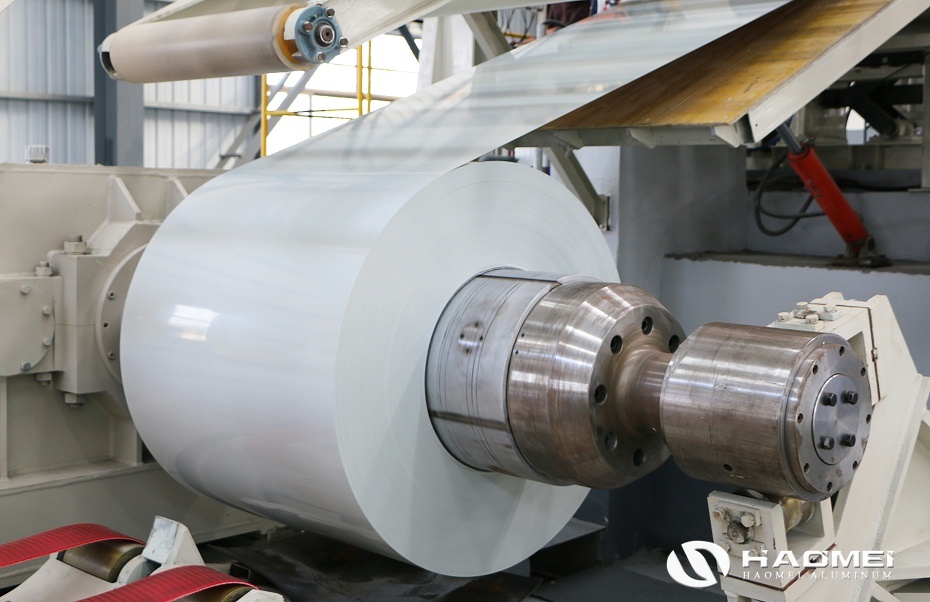
What "pre painted" really means in a high-performance line
Pre-painted aluminum is typically produced on a continuous coil coating line, where cleaning, chemical conversion, primer coating, top coating, and curing are integrated into a controlled sequence. The advantage of factory coating is repeatability: film thickness, gloss, color, and cure conditions are managed in a way that is difficult to replicate with post-painting at a jobsite or in a small batch spray process.
A key industry detail often missed outside procurement teams is the role of bake-cure control, commonly validated by MEK rub tests and pencil hardness checks. Consistent curing affects abrasion resistance and long-term color stability. Another practical benchmark used globally is compliance with EN 1396 (Europe) for pre-coated aluminum products, which frames expectations for tolerances and coating properties across suppliers.
Technological strengths that show up on the customer's production floor
A capable manufacturer focuses on the parts of the process that reduce downstream risk for fabricators and brand owners:
Surface pretreatment engineered for adhesion
Adhesion failures often trace back to pretreatment, not the paint itself. Stable conversion coating weights, clean rinse stages, and controlled surface energy help coatings remain intact during bending, stamping, and thermal cycling. Strong pretreatment also improves corrosion resistance at cut edges and fastener points, where humidity and salt can concentrate.
Coating systems matched to environment and forming needs
Different applications require different chemistries:
PE (polyester) is widely used for general indoor and moderate outdoor conditions.
SMP (silicone-modified polyester) increases hardness and weathering performance.
PVDF is often specified for high-UV façade applications where long-term color retention is critical.
Rather than presenting these as generic options, experienced producers fine-tune primer/topcoat pairing, resin-to-pigment ratio, and film thickness to balance flexibility with hardness. This matters when customers need tight T-bend performance for profiles, flashings, and roll-formed shapes without micro-cracking.
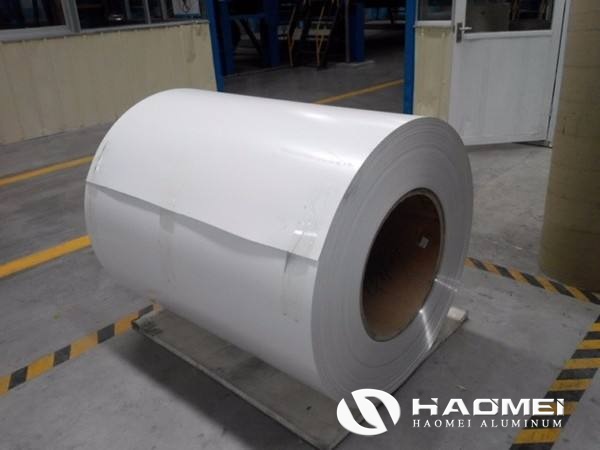
Color consistency and gloss control at scale
For project-based procurement, color uniformity across batches is a frequent pain point. Leading manufacturers use spectrophotometer monitoring and controlled coating viscosity to reduce delta E variation. This is especially important when multiple coils feed the same façade elevation or when replacement panels must match existing cladding.
Substrate selection that supports lightweight design
Pre-painted performance depends on the base metal. Common alloys such as AA3003 (forming-friendly) and AA3105 (often selected for building products) are chosen based on strength, ductility, and final-use requirements. Buyers also evaluate temper options to ensure the sheet can be processed without oil-canning or springback issues.
Core advantages that matter in real applications
Pre-painted aluminum sheet is valued because it addresses cost, durability, and sustainability targets simultaneously:
Lower total processing burden: factory coating reduces on-site painting, VOC handling, and rework.
Corrosion resistance with lower mass: aluminum's natural oxide layer plus engineered coating systems support long service life in many climates.
Design flexibility: metallic, solid, matte, and textured finishes help architects and product designers hit visual targets without sacrificing throughput.
Stable supply for OEM production: consistent thickness, coating performance, and packaging reduce line stops and scrap.
Application scenarios buyers specify most often
Pre-painted aluminum sheet and coil are regularly specified for:
Architectural cladding and roofing: curtain wall infill, composite panel skins, fascia, soffits, rainwater systems, and profiled roofing.
HVAC and insulation jacketing: ducting skins, pipe insulation cladding, and equipment housings where corrosion resistance and cleanability matter.
Appliances and consumer equipment: panels for white goods, small appliance casings, and decorative trims.
Transportation and modular structures: interior panels, box bodies, shelters, and lightweight enclosures.
A manufacturer's "quiet" differentiators: what procurement teams should verify
Beyond datasheets, experienced buyers look for practical indicators of reliability: traceability by coil ID, batch-by-batch QC records, packaging that protects edges and finish, and the ability to hold tolerances across repeated orders. These are not marketing extras; they are the controls that prevent transit damage, coating defects, and mismatched panels on site.
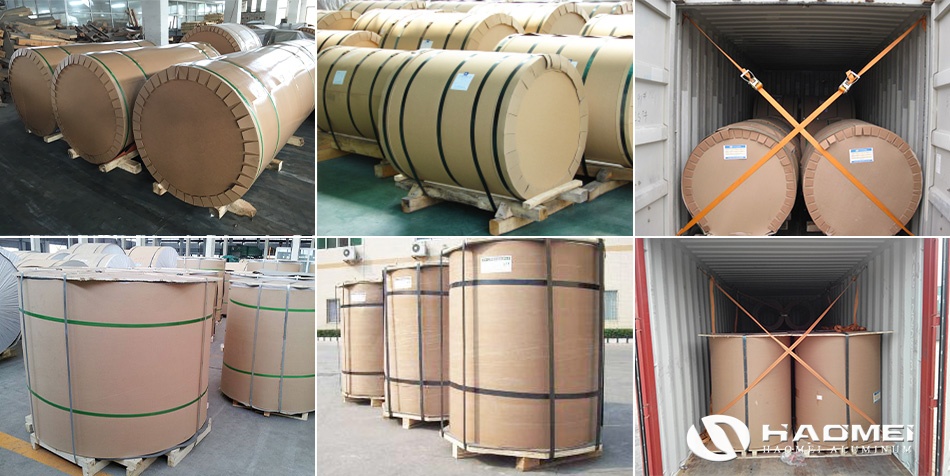
For international projects, manufacturers that are used to export workflows also tend to manage documentation (inspection reports, coating specs, origin paperwork) and loading patterns that reduce claims. In a market where lead time and consistency can matter as much as price, the strongest pre painted aluminum sheet manufacturer is the one whose technology translates into fewer surprises after the coil leaves the factory gate.
ABOUT US
PRODUCTS
APPLICATION
CONTACT US
Mobile: +86-18137889531 (same number on WeChat)
Phone: +86-371-65621391
Email: nydia@aluminumhm.com
No.14 Waihuan Road, CBD,
Zhengzhou, China


Copyright © 2026 Haomei Aluminum CO., LTD.