
nydia@aluminumhm.com

News
Haomei Aluminum CO., LTD.
Aluminium Colour Coated Sheet Price
When customers ask me for the aluminium colour coated sheet price, I usually answer with another question: "What performance do you need the sheet to deliver after it leaves the container and gets installed?" In real production and export work, price is not only the LME/aluminium ingot trend. The coating system, alloy-temper selection, film thickness, colour control, and even packaging standards can move the final number significantly.
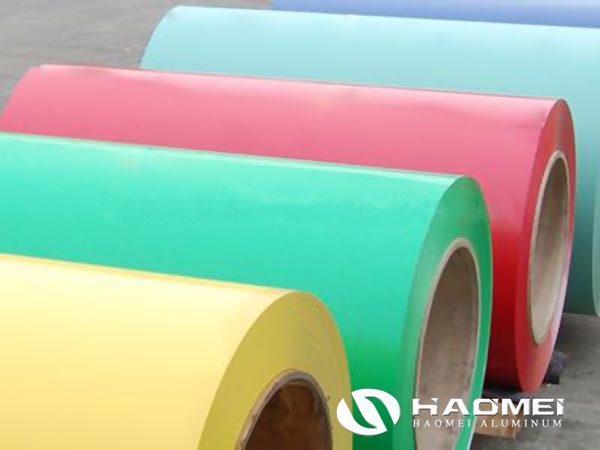
Below is a technical, buyer-friendly breakdown of what shapes pricing, which specifications matter most, and how to match a product to the correct application so you are paying for performance, not guesswork.
What determines aluminium colour coated sheet price?
1) Base metal cost: alloy and thickness
Most prepainted aluminium sheet pricing starts with the substrate: alloy + thickness + temper.
Common export alloys include:
1xxx (e.g., 1060): high purity, excellent formability, typically used for general cladding, panels, and insulation jacketing where strength demand is moderate.
3xxx (e.g., 3003, 3004, 3105): Mn alloyed, better strength than 1xxx, widely used for roofing, wall cladding, shutters, and ceiling systems.
5xxx (e.g., 5052): higher strength and corrosion resistance, often specified for marine/coastal projects or tougher forming requirements.
Thickness is a direct cost driver. For architectural sheets, typical thickness ranges are 0.30–1.50 mm. If your design allows a thinner gauge with proper ribbing or support spacing, the price impact is immediate.
2) Coating system: PE vs PVDF (and what you actually get)
Coating selection is often the biggest "hidden" factor behind price differences between seemingly similar sheets.
PE (Polyester): cost-effective, good colour variety, suitable for interiors, signage, and moderate outdoor exposure.
PVDF: premium weathering, superior colour retention and chalk resistance, preferred for exterior façades and long-life architectural envelopes.
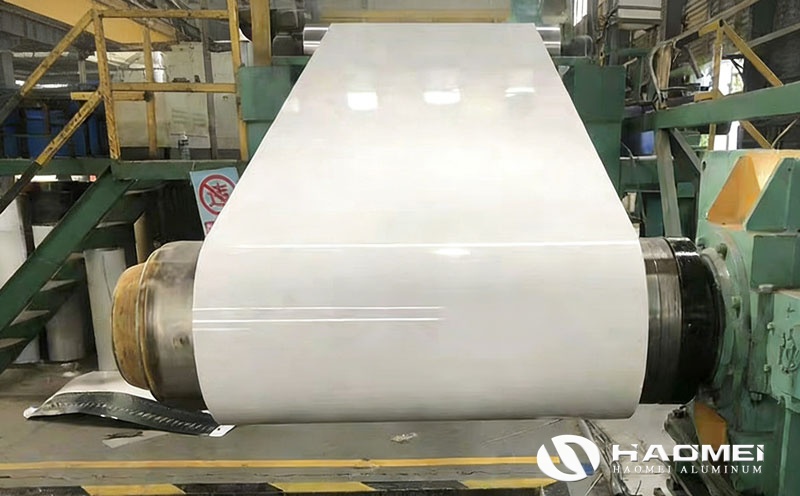
A professional quote should specify not just "PVDF/PE," but also the resin type, topcoat thickness, and whether it is a 2-coat or 3-coat system (primer + topcoat, or primer + colour + clear coat). These details affect coil coating line settings, paint consumption, curing window, and long-term performance.
3) Paint film thickness and primer specification
Typical references you will see:
Top coat: commonly 15–25 μm (application-dependent)
Back coat: commonly 5–10 μm
Higher film builds, upgraded primers (especially for PVDF exterior), and tighter tolerance requirements raise cost but reduce risk of premature fading, edge corrosion, and installation complaints.
4) Surface finish, colour, and gloss control
Metallic colours, special pearls, matte low-gloss finishes, and tight colour delta requirements (for panel-to-panel consistency) usually add cost because they require:
more careful paint batching
stricter coil-to-coil colour management
tighter process control during curing
If you are matching a façade to an existing building or a brand colour, expect a price difference compared with a standard RAL shade.
5) Standards, testing, and documentation
For export projects, price is affected by what the order demands in compliance and traceability, for example:
mechanical properties (yield/UTS/elongation)
coating adhesion (T-bend, impact)
solvent rub (MEK)
gloss and colour tolerance
salt spray or humid aging requirements
From my shop-floor perspective, the more you test and document per coil or per lot, the more time and control you build into the production plan.
6) Packaging and logistics risk control
Packaging is not decoration. Sea shipments need proper anti-moisture practices:
waterproof paper + plastic film
desiccant when needed
edge protectors
strong pallets and strapping layout
Better packaging can prevent transit oxidation, scuffing, and compression marks, which protects your installed appearance and reduces claims.
Main specifications buyers should confirm (the "quote checklist")
If you want apples-to-apples price comparison, align these items across suppliers:
Alloy and temper: e.g., 3003-H24, 3105-H24, 5052-H32
Thickness and width: e.g., 0.60 mm × 1250 mm
Coating type: PE or PVDF, 2-coat or 3-coat
Film thickness: top/back (μm)
Surface: one-side or two-side coated, protective film type (if used)
Colour system: RAL/Pantone, metallic/solid, gloss range
Core ID / sheet size / tolerance: depends on coil vs cut-to-length
Quality acceptance: visual standard, allowable defects, inspection method
If your project needs product pages for quick reference, our color coated aluminium sheet options cover common architectural and industrial specifications, and our color coated aluminum coil supports coil-fed roll forming lines.
Features and advantages that justify the right price level
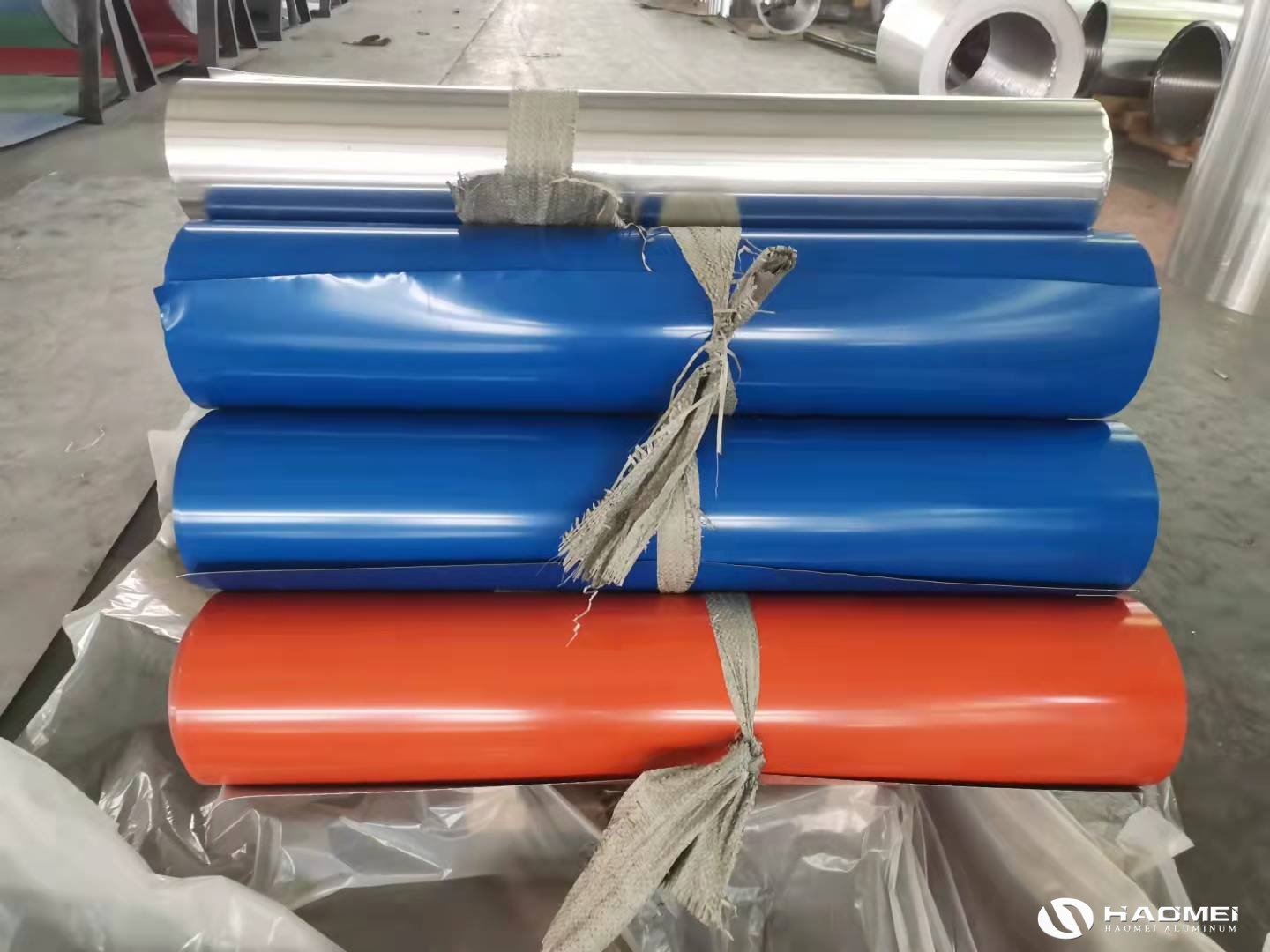
From production experience, the value of a well-made colour coated sheet shows up in three places: processing, installation, and years of exposure.
Stable forming performance: correct temper and coating flexibility help avoid micro-cracks on tight bends and lock seams.
Consistent coating cure: good cure control improves adhesion and chemical resistance, reducing scratch sensitivity during fabrication.
Corrosion protection by system design: substrate selection + pretreatment + primer choice is what protects cut edges and fastener zones.
Appearance uniformity: controlled gloss and colour consistency reduce "patchwork" effects on large façades.
Lower lifecycle cost: PVDF systems can cost more upfront but often reduce repainting or replacement cycles in harsh climates.
Typical application scenarios and recommended configurations
Building envelope: roofing and wall cladding
Preferred alloys: 3003/3105 (balanced strength and formability)
Coating: PVDF for exterior long-term exposure; PE for budget or mild environments
Notes: pay attention to film thickness, chalk resistance, and colour consistency for large surfaces
Ceiling, interior panels, partition systems
Preferred alloys: 1060/3003
Coating: PE is usually sufficient
Notes: focus on surface cleanliness, scratch resistance, and gloss uniformity under lighting
Roller shutter, door panels, appliance panels
Preferred alloys: 3004/3105 (often used for roll forming)
Coating: PE or functional coatings depending on wear
Notes: confirm T-bend requirement, impact resistance, and protective film choice
Coastal or high-corrosion industrial environments
Preferred alloys: 5052 or well-specified 3xxx with robust pretreatment
Coating: PVDF with upgraded primer system
Notes: salt fog performance is a system result, not just a paint label
Practical buying insight: how to evaluate a "good" price
A competitive aluminium colour coated sheet price should come with clarity: exact alloy-temper, verified film build, and a coating system that matches the service environment. When a quote is noticeably lower than market, I recommend checking three things first: (1) actual topcoat thickness, (2) primer type and pretreatment, and (3) substrate alloy/temper substitution.
If you share your target thickness, colour, application (indoor/outdoor/coastal), and annual quantity, a supplier can propose the most cost-effective specification without sacrificing the performance that your customers will see on the building.
ABOUT US
PRODUCTS
APPLICATION
CONTACT US
Mobile: +86-18137889531 (same number on WeChat)
Phone: +86-371-65621391
Email: nydia@aluminumhm.com
No.14 Waihuan Road, CBD,
Zhengzhou, China


Copyright © 2026 Haomei Aluminum CO., LTD.