
nydia@aluminumhm.com

News
Haomei Aluminum CO., LTD.
Roll of Aluminum Trim
As exterior renovation and prefabricated building projects continue to demand faster installation and longer service life, the roll of aluminum trim has become a practical material for contractors, distributors, and building product manufacturers. Used for wrapping fascia, window frames, door surrounds, siding edges, garage openings, and decorative architectural details, this coated aluminum product combines formability with stable color performance.
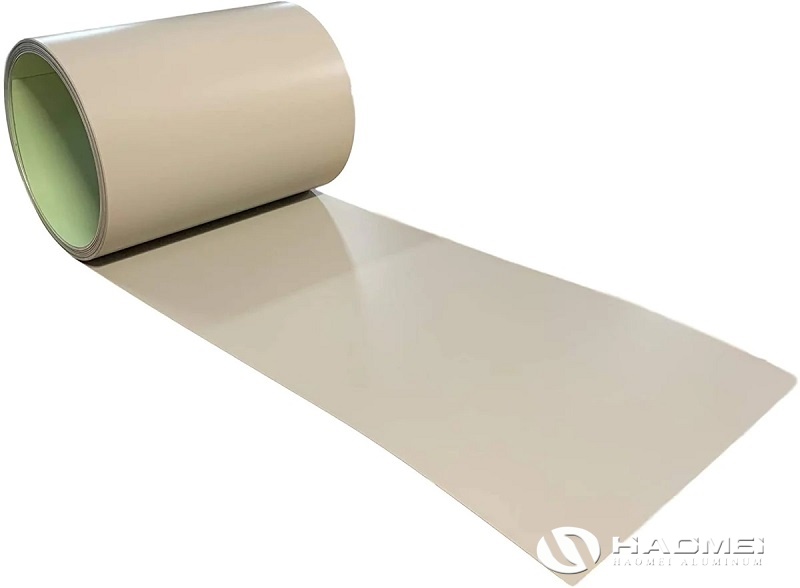
A roll of aluminum trim is typically supplied as pre-painted aluminum coil stock, allowing installers to cut and bend the material on site with a brake. This format reduces waste compared with pre-cut profiles and gives contractors flexibility when dealing with different window depths, fascia sizes, and renovation conditions. In North American residential markets, common gauges include 0.019 inch and 0.024 inch, while popular roll sizes such as 24 inches x 50 feet remain widely used by siding and roofing installers.
Coating Technology Supports Long-Term Exterior Performance
The value of aluminum trim coil depends heavily on coating quality. A stable paint system must resist ultraviolet exposure, moisture, temperature variation, and repeated bending during fabrication. Modern production lines apply primer and topcoat under controlled curing conditions, helping the paint film bond evenly to the aluminum substrate.
For projects exposed to strong sunlight or coastal moisture, coating selection becomes especially important. Polyester coatings are often chosen for general residential applications, while PVDF or high-durability systems may be specified where longer color retention is required. In many international projects, buyers also reference test methods such as ASTM B117 salt spray testing or AAMA coating performance categories when evaluating coated aluminum materials. These details help procurement teams compare products beyond appearance alone.
Our production approach focuses on consistent film thickness, color matching, and surface cleanliness. Before coating, aluminum strip is cleaned and chemically treated to improve adhesion. During coating, color difference is monitored so repeat orders can better match previous shipments. For distributors managing multiple SKUs, this consistency is essential because trim pieces are often installed next to siding, roofing, gutters, and window systems.
Precision Forming for Fascia, Windows, and Exterior Details
A key advantage of a roll of aluminum trim is its workability. The material must be soft enough to bend cleanly yet strong enough to hold its shape after installation. Suitable alloy and temper selection allow the coil to be formed into fascia covers, drip edges, sill trim, corner caps, and J-channel accessories without cracking at the bend line.
For example, window replacement contractors frequently use aluminum trim coil to wrap exterior wood casing after installing vinyl or aluminum windows. The finished surface helps reduce repainting needs and protects vulnerable wood areas from rain. Roofing and siding teams also rely on coil stock for fascia and soffit edges, where long straight bends and smooth color surfaces are important to the final appearance.
For customers sourcing aluminum trim coil, practical details such as roll width, inner diameter, coating type, protective film, and carton strength can directly affect warehouse handling and jobsite efficiency. A stable coil shape reduces edge damage, while accurate slitting helps ensure easier cutting and bending in the field.
Application Scenarios Across Residential and Light Commercial Projects
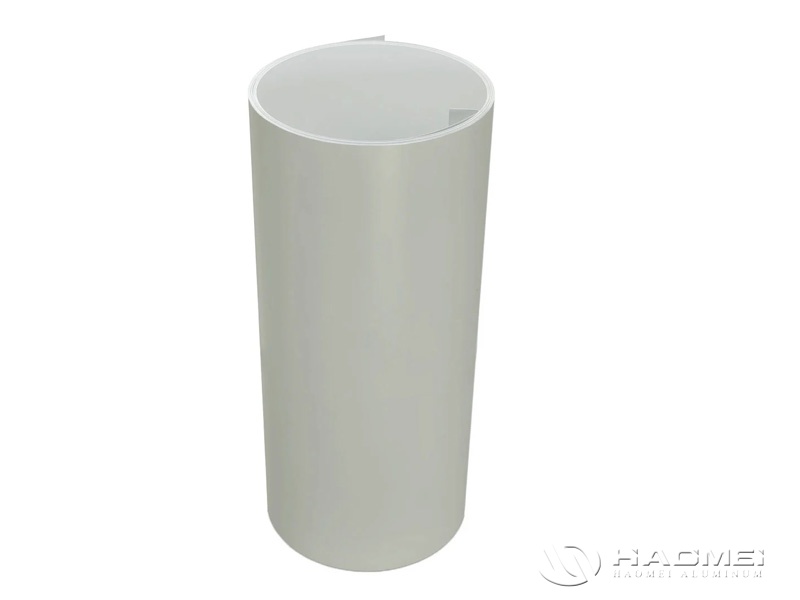
The roll of aluminum trim is commonly used in three major areas. The first is residential exterior finishing, including fascia boards, window trim, door trim, rake boards, and porch details. The second is repair and remodeling, where contractors need flexible coil stock to match existing building dimensions. The third is light commercial construction, including shopfront details, canopy edges, modular building components, and decorative metal cladding accents.
Color range is another reason for its broad use. White, black, brown, bronze, clay, sandstone, gray, green, red, and custom colors can be supplied to match local architectural preferences. Matte, smooth, embossed, and wood grain finishes are also used in different markets. In renovation projects, textured finishes can help reduce visible handling marks, while darker colors such as black and bronze are popular for modern window and facade designs.
Export-Ready Quality Control and Packaging
For international buyers, product quality does not end at coating and slitting. Packaging plays a major role in preserving coil appearance during ocean freight and inland transport. Rolls are commonly protected with moisture-resistant wrapping, edge guards, cartons, pallets, and clear labels for size, color, batch, and production information. This is especially useful for importers who distribute mixed colors and gauges to contractors.
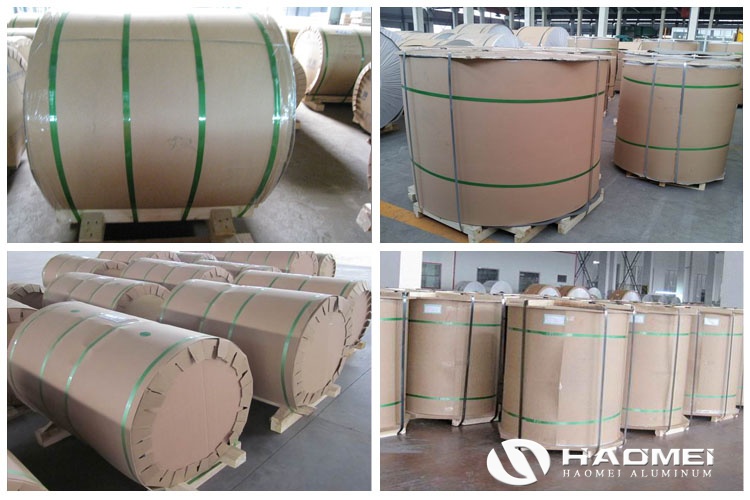
Quality inspection normally includes coating thickness checks, color evaluation, surface inspection, width tolerance measurement, and bend testing. These controls help reduce claims related to color variation, paint peeling, scratches, or roll deformation. For buyers serving professional installers, predictable performance is more important than a low initial price because damaged coils can delay projects and increase labor costs.
With rising demand for low-maintenance exterior materials, the roll of aluminum trim continues to hold a strong position in building envelope applications. Its combination of lightweight handling, corrosion resistance, flexible fabrication, and broad color availability makes it a dependable solution for distributors, contractors, and manufacturers looking for efficient exterior finishing materials.
ABOUT US
PRODUCTS
APPLICATION
CONTACT US
Mobile: +86-18137889531 (same number on WeChat)
Phone: +86-371-65621391
Email: nydia@aluminumhm.com
No.14 Waihuan Road, CBD,
Zhengzhou, China


Copyright © 2026 Haomei Aluminum CO., LTD.