
nydia@aluminumhm.com

News
Haomei Aluminum CO., LTD.
Aluminum Coil for Windows
Aluminum coil for windows is widely used in residential, commercial, and renovation projects where clean appearance, weather resistance, and efficient installation are required. For distributors, contractors, and window system manufacturers, selecting the right aluminum coil for windows is not only a material decision, but also a long-term performance and supply chain decision.
As a technical product, it must balance alloy strength, coating durability, color consistency, bending performance, packaging safety, and landed cost. From an export business perspective, buyers also need stable specifications, predictable lead times, and documentation that supports customs clearance and project compliance.
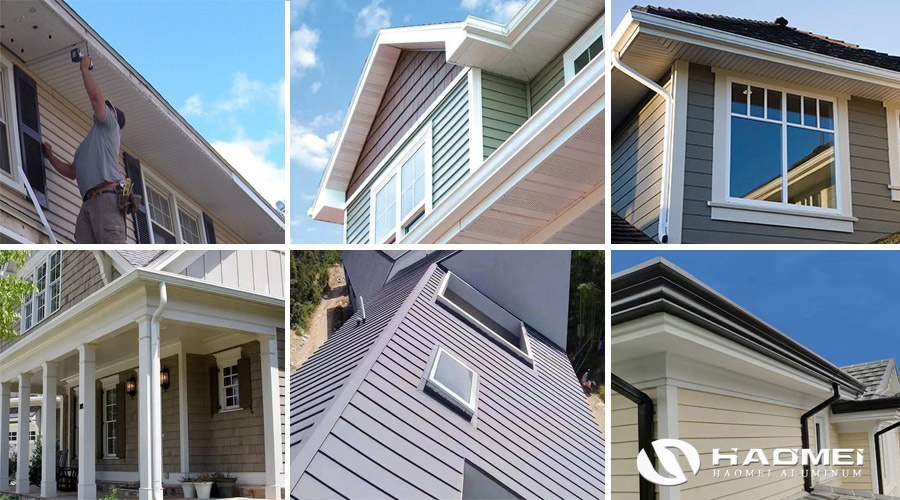
Why Aluminum Coil for Windows Matters in Modern Building Envelopes
Aluminum coil for windows is commonly formed into trim, flashing, fascia edges, sill covers, jamb cladding, and exterior window surrounds. These components protect vulnerable building joints from moisture while improving the finished appearance of the facade.
Compared with painted wood or some rigid cladding materials, aluminum coil for windows offers several practical advantages. It is lightweight, easy to bend on site, corrosion resistant under normal atmospheric conditions, and available in a wide color range. For contractors, this means faster fabrication around window openings and fewer maintenance concerns after installation.
Another reason aluminum coil for windows remains popular is its compatibility with multiple window systems, including vinyl, aluminum, wood, and composite frames. When properly specified, it supports a neat transition between the window unit and siding, brick, stucco, or panel cladding.
Key Specifications for Aluminum Coil for Windows
When evaluating aluminum coil for windows, buyers should look beyond color and price. The most important technical parameters include alloy, temper, thickness, width, coating system, surface finish, and coil weight.
Common alloys for aluminum coil for windows include 3003, 3004, 3105, and related manganese-based aluminum grades. These alloys provide good formability and corrosion resistance, making them suitable for bending, hemming, and roll forming. The temper is also important. Softer tempers are easier to form, while harder tempers provide higher rigidity but may require careful bend radius control.
Thickness often ranges from about 0.019 to 0.024 inch for trim and window applications, depending on regional practices and installation requirements. Wider coil formats can improve production efficiency for fabricators, while narrower sizes reduce cutting waste for standard trim profiles. Buyers working with stocked profiles may also consider window trim coil when their demand is focused on window wrapping and exterior finishing.
For exporters and importers, tolerance control is essential. Aluminum coil for windows should have consistent thickness, width, and edge quality. Poor edge slitting can cause handling problems, scratches, or uneven forming during brake bending.
Coating Choices for Aluminum Coil for Windows
The coating system has a major influence on the service life of aluminum coil for windows. Polyester, modified polyester, PVC, and PVDF coatings are commonly used depending on the target market, weather exposure, and budget.
Polyester-coated aluminum coil for windows is widely accepted for general building trim because it provides good color retention and cost efficiency. Modified polyester can offer improved weatherability. PVC-coated products provide a flexible surface and are often preferred in trim coil markets where installers need additional scratch resistance during bending and handling. PVDF coatings are used for demanding architectural projects requiring superior UV resistance and long-term color stability.
Color selection should match local building trends. White, black, brown, bronze, gray, and clay remain strong choices in North America and Europe. Black and dark bronze have grown in popularity with modern window frames, but darker colors absorb more heat, so coating quality and substrate stability become more important.
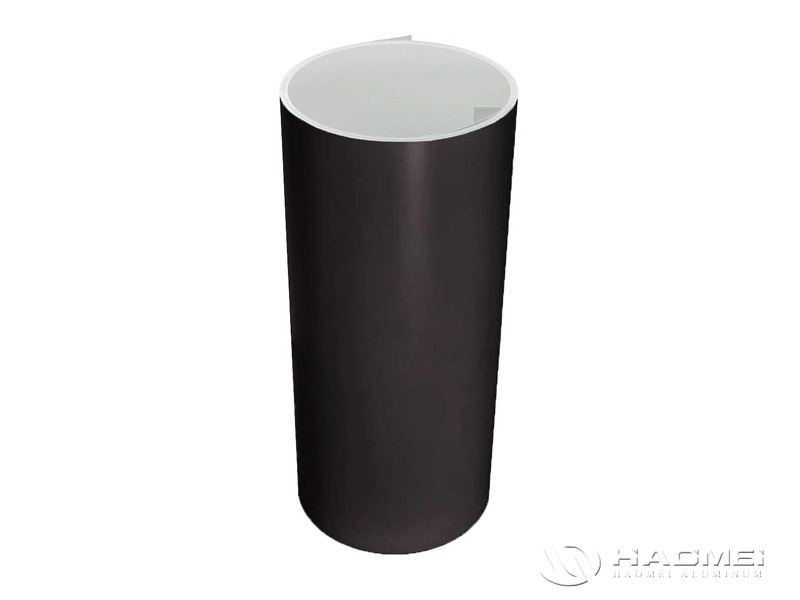
For aluminum coil for windows used near coastal areas, buyers should pay attention to salt spray resistance, coating adhesion, and primer quality. While aluminum naturally forms a protective oxide layer, the painted surface must remain intact to prevent early staining, chalking, or edge corrosion.
Fabrication and Installation Guidance for Aluminum Coil for Windows
Successful use of aluminum coil for windows depends on both material quality and correct fabrication. The coil should bend cleanly without coating cracking, especially along sharp hems or corners. Before mass production, fabricators should test the minimum bend radius with the actual brake or roll forming equipment.
Aluminum coil for windows is often cut and bent at job sites. Installers should avoid dragging coil surfaces across rough floors or metal edges. Protective film, clean gloves, and organized work tables can reduce scratches and improve final appearance. If the coil has a directional grain or textured finish, all pieces should be oriented consistently.
Drainage design is also important. Trim made from aluminum coil for windows should not trap water behind the cladding. Proper laps, sealant placement, and flashing integration help prevent moisture intrusion. In renovation projects, old wood trim should be inspected for rot before being wrapped, because metal cladding should not hide existing structural damage.
For manufacturers using continuous production, aluminum coil stock can be specified according to width, coating, and coil weight to improve feeding stability and reduce scrap. This is particularly useful for window accessory producers, trim profile makers, and distributors serving multiple contractors.
Market Observations for Aluminum Coil for Windows
Global demand for aluminum coil for windows is supported by energy-efficient building upgrades, vinyl window replacement, lightweight facade systems, and increased preference for low-maintenance exterior materials. In many markets, homeowners and builders want trim solutions that look clean while requiring less repainting than wood.
North American buyers often focus on trim coil dimensions, color availability, and installer-friendly packaging. European buyers may pay closer attention to coating standards, environmental documentation, and batch traceability. In the Middle East, Africa, and coastal markets, UV exposure, humidity, and corrosion resistance often drive specification decisions.
Price sensitivity varies by channel. Retail distributors may prioritize popular colors and small-lot flexibility, while industrial users may value stable coil weight, exact width control, and repeatable coating performance. For export suppliers, understanding these different expectations is critical when positioning aluminum coil for windows across global markets.
Exchange rates, aluminum ingot prices, freight costs, and coating resin costs can all influence final pricing. Serious buyers usually compare not only FOB price but also packaging quality, loading efficiency, claim history, and delivery reliability.
Quality Control and Export Packaging
Before shipment, aluminum coil for windows should be inspected for color difference, coating adhesion, gloss, thickness, surface defects, edge burrs, and coil telescoping. Common tests include T-bend, pencil hardness, impact resistance, MEK rubbing for coating cure, and salt spray testing when required by the project.
Packaging is a major export concern. Coils may travel through multiple ports, warehouses, and inland transport routes. Moisture protection, sturdy pallets, edge guards, inner cores, waterproof wrapping, and clear labels reduce the risk of transit damage. For container loading, coil orientation and blocking must prevent movement during sea transport.
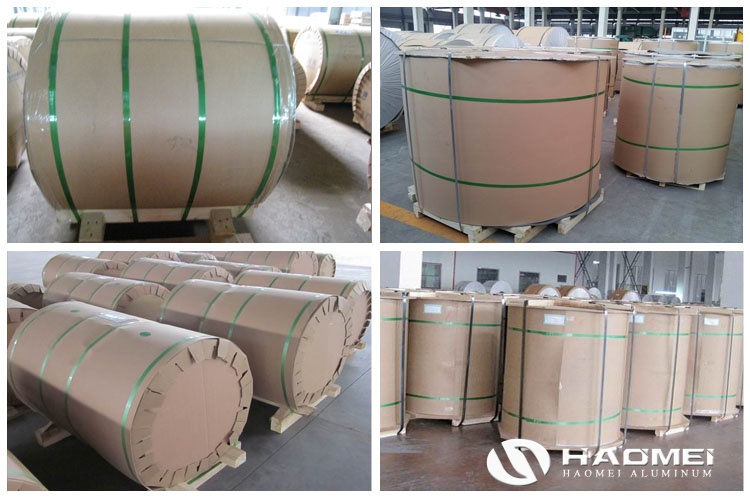
A professional supplier should provide commercial invoice, packing list, certificate of origin if required, mill test certificate, coating data, and HS code guidance. For large orders of aluminum coil for windows, buyers may request pre-shipment inspection photos, sample panels, and retained color standards for future repeat orders.
Sourcing Checklist for Aluminum Coil for Windows Buyers
Before placing an order, buyers should confirm the application environment and target service life. A low-cost coating may be acceptable for mild climates, but a more durable coating is advisable for strong UV, coastal, or industrial environments.
The next step is to define the exact specification of aluminum coil for windows: alloy, temper, thickness, width, coating type, color code, gloss range, inside diameter, outside diameter, coil weight, and packaging method. Ambiguous specifications often lead to mismatched expectations, especially in international trade.
Buyers should also ask about minimum order quantity, sample lead time, production lead time, color matching process, and tolerance standards. For distributors, mixed-color container loading may be more useful than single-color bulk orders, while factory users may prefer high-volume production runs for cost control.
Payment terms, Incoterms, port of loading, and after-sales procedures should be clear before production starts. In export business, the best aluminum coil for windows supplier is not simply the lowest bidder, but the partner that can deliver consistent quality, stable communication, and practical solutions when market conditions change.
How Aluminum Coil for Windows Supports Lower Total Cost
The value of aluminum coil for windows should be measured by total cost rather than purchase price alone. A coil with better coating adhesion, accurate thickness, and clean edges can reduce fabrication waste, installation delays, customer complaints, and replacement costs.
For window contractors, consistent aluminum coil for windows improves productivity because installers can bend predictable material quickly. For distributors, reliable color matching supports repeat sales and helps avoid inventory disputes. For project owners, durable exterior trim helps maintain curb appeal and reduces long-term maintenance.
In a competitive building materials market, aluminum coil for windows remains a practical solution because it combines formability, corrosion resistance, design flexibility, and export-friendly logistics. Buyers who define specifications carefully and work with technically capable suppliers are better positioned to achieve stable quality and stronger margins across different regional markets.
ABOUT US
PRODUCTS
APPLICATION
CONTACT US
Mobile: +86-18137889531 (same number on WeChat)
Phone: +86-371-65621391
Email: nydia@aluminumhm.com
No.14 Waihuan Road, CBD,
Zhengzhou, China


Copyright © 2026 Haomei Aluminum CO., LTD.