
nydia@aluminumhm.com

News
Haomei Aluminum CO., LTD.
Powder Coated Anodized Aluminum
Powder coated anodized aluminum is gaining renewed attention across architecture, transportation, and outdoor infrastructure because it answers a question many specifiers now ask more directly than ever: how do we extend service life without trading away aesthetics or controllable production quality?
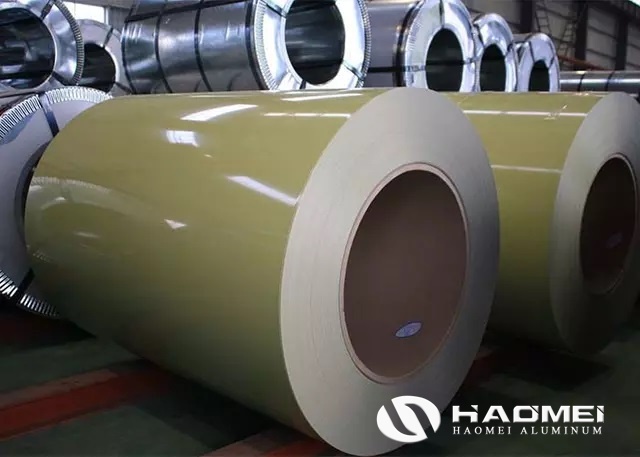
At its core, the system is straightforwardanodizing forms a controlled oxide layer on aluminum, and powder coating adds a durable, decorative topcoat. The practical impact, however, is more nuanced. The anodic layer offers a highly adherent, corrosion-resistant foundation, while the powder layer contributes color stability, texture options, and an additional barrier against weathering. Together, they create a dual-layer approach that performs reliably in environments where single-step finishes may face faster cosmetic degradation.
Why the anodized base matters
Anodizing is not paint; it is a conversion of the surface into aluminum oxide. That oxide is hard, tightly bonded, and provides meaningful corrosion resistance even when the surface is exposed to UV, humidity, or airborne contaminants. In coastal cities, for instance, chloride-bearing salt spray can accelerate pitting and staining on unprotected metals. An anodic layer reduces that risk and, importantly, creates a stable substrate for the next step.
One real-world detail many project teams reference is the use of standardized anodizing grades in building work. Anodizing thickness is commonly specified by classes in ISO 7599, which helps designers and contractors align expectations on performance and appearance consistency. When a powder topcoat is applied over a properly prepared anodized layer, the system benefits from a more controlled, repeatable foundation.
Powder coating: appearance control and robust coverage
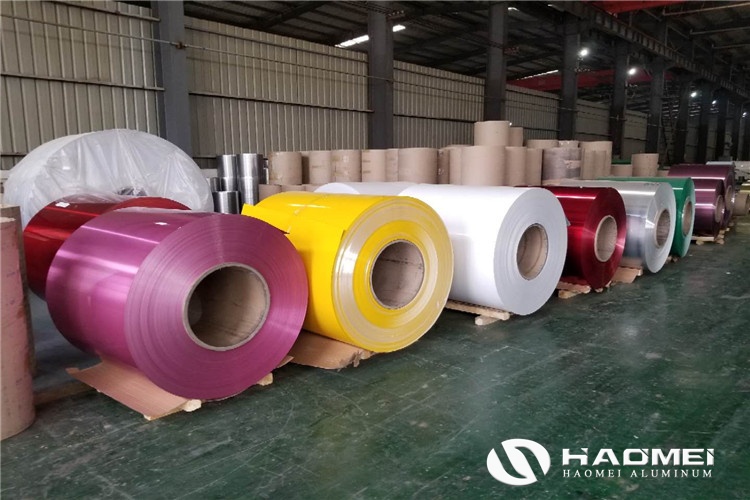
Powder coating brings a different set of strengths. Because the coating is applied electrostatically and cured, it can create uniform film builds with strong edge coverageuseful for profiles, panels, and complex geometries. It also opens up a broad palette of architectural colors and textures, including metallic looks and fine matte finishes that help hide fingerprints and minor handling marks.
The industrys credibility anchor here is the prevalence of third-party qualification pathways for architectural powder coatings. Many building specifications cite AAMA 2604/2605 performance levels (for example, for color retention and chalk resistance), and powder suppliers formulate accordingly. When the powder layer is chosen to meet the projects exposure needsand applied on a stable anodized basethe finish is positioned for long-term visual stability.
Technology strengths that translate into fewer site headaches
For contractors and fabricators, the value of powder coated anodized aluminum often shows up in the details:
Improved adhesion pathways: Anodizing provides a consistent, tightly integrated oxide layer. With correct pretreatment and curing control, the powder layer can achieve strong adhesion and reduce the likelihood of localized peeling associated with poor substrate preparation.
Corrosion resistance in aggressive climates: The anodic layer helps resist underfilm corrosion initiation, while the powder layer reduces direct exposure to moisture and pollutants.
Color and texture repeatability: Controlled powder formulation and stable curing windows make it easier to match batches across elevations or production lotsan advantage for large faades and modular construction.
Low-maintenance surfaces: Smooth, sealed surfaces are easier to clean and can better withstand routine washing cycles on high-rise exteriors and public facilities.
Application scenarios where the dual finish makes sense
1) Architectural faades and claddingCurtain wall components, rainscreen panels, sunshades, canopies, and louver systems benefit from a finish that supports both aesthetics and exposure resistance. The anodized base layer helps provide a corrosion-resistant foundation, while the powder layer enables designers to align with modern color trends and gloss levels.
2) Transportation and mobilityRail interiors, bus body components, EV charging station housings, and lightweight structural covers often face temperature swings, road grime, and frequent cleaning. The dual-layer approach provides added protection against staining and wear while maintaining a consistent appearance across assembled parts.
3) Outdoor equipment and infrastructureTelecom cabinets, lighting housings, street furniture, signage frames, and marine-adjacent installations are frequently exposed to UV, humidity, and airborne salts. The combined barrier effect helps slow cosmetic deterioration and reduces the frequency of refinishing.
What careful producers control (and why it matters)
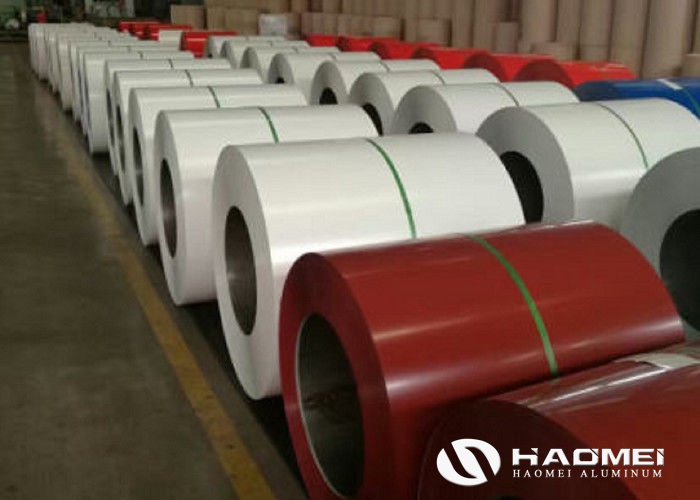
Performance is rarely the result of a single magic coating. It is the outcome of process disciplinesurface preparation, anodizing parameters, rinsing quality, powder selection, curing profile, and final inspection. Producers who manage these variables tightly can deliver finishes that are more consistent across coils, sheets, and fabricated profiles, especially when orders involve multiple batches or long delivery schedules.
For buyers, this translates into fewer color disputes, less rework at installation, and better confidence that the delivered material will behave predictably after fabrication, cutting, and assembly. The projects that benefit most are those where lifecycle expectations are highpremium faades, high-traffic public assets, and coastal or industrial environments where weathering and pollutants test every surface treatment decision.
ABOUT US
PRODUCTS
APPLICATION
CONTACT US
Mobile: +86-18137889531 (same number on WeChat)
Phone: +86-371-65621391
Email: nydia@aluminumhm.com
No.14 Waihuan Road, CBD,
Zhengzhou, China


Copyright © 2026 Haomei Aluminum CO., LTD.