
nydia@aluminumhm.com

News
Haomei Aluminum CO., LTD.
Colored Aluminum Trim Coil
Colored aluminum trim coil is widely used in exterior building systems where clean appearance, corrosion resistance, and easy fabrication must work together. For distributors, contractors, and project buyers, selecting the right colored aluminum trim coil is not only a price decision; it affects installation speed, long-term weathering, color stability, and customer satisfaction.
As an export product, colored aluminum trim coil serves markets with different climates, codes, and architectural preferences. North American buyers often focus on 24 in x 50 ft rolls and 0.019 to 0.024 in thickness, while European, Middle Eastern, and Oceania projects may request customized width, coating, gloss, and packaging. Understanding the technical details helps reduce claims and improves repeat orders.
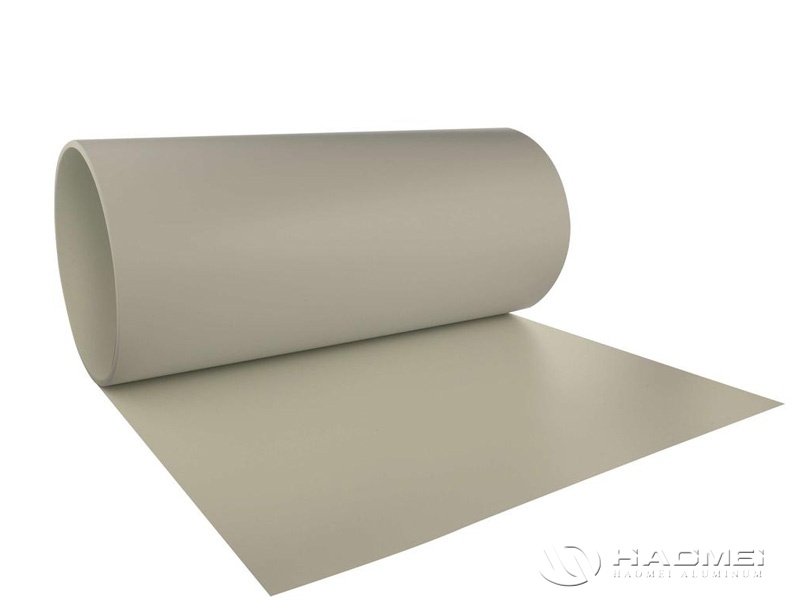
Why Colored Aluminum Trim Coil Matters in Modern Construction
Colored aluminum trim coil is designed for wrapping fascia, window trim, door frames, rake boards, posts, and other exposed details. Compared with painted wood, it requires less maintenance and provides better resistance to moisture, insects, and cracking. Compared with steel, it is lighter, easier to bend, and naturally corrosion resistant.
From a project perspective, colored aluminum trim coil helps contractors create a consistent finish across multiple exterior components. It can be cut and formed on site using portable brakes, reducing the need for pre-shaped parts. This flexibility is one reason the product remains popular in residential renovation, siding installation, modular housing, and light commercial facade work.
For importers, the advantage is also logistical. A coil format saves warehouse space, supports mixed color inventory, and allows distributors to serve many jobsite dimensions from one stock item. When paired with stable color matching and reliable packaging, colored aluminum trim coil becomes a high-rotation product category.
Technical Structure of Colored Aluminum Trim Coil
A typical colored aluminum trim coil consists of an aluminum substrate, pretreatment layer, primer, and topcoat. Some products also include a back coat or protective film. Each layer has a function, and quality problems usually occur when one layer is poorly controlled.
The aluminum substrate provides formability and strength. Common alloys include 3003, 3105, and similar aluminum-manganese series materials because they combine corrosion resistance with good bending performance. For exterior trim, colored aluminum trim coil must bend cleanly without paint cracking, especially around sharp corners.
Pretreatment improves adhesion between the metal and paint system. Modern chrome-free treatments are increasingly preferred due to environmental regulations. The primer supports corrosion resistance and bonding, while the topcoat determines color, gloss, stain resistance, and weatherability.
Buyers comparing Aluminum Trim Coil options should ask for coating type, coating thickness, pencil hardness, T-bend performance, salt spray data, and color tolerance. These values are more useful than a simple product photo when evaluating long-term performance.
Alloy, Temper, and Thickness Selection
The most common tempers for colored aluminum trim coil are soft or semi-hard grades that can be formed without stress marks. If the temper is too hard, installers may experience cracking at tight bends. If it is too soft, the finished trim may dent too easily during handling.
Thickness selection depends on market standards and end use. A 0.019 in coil is often used for general residential trim, while 0.024 in material offers a stronger feel and better dent resistance. In premium projects, colored aluminum trim coil with higher thickness can improve perceived quality and reduce deformation during installation.
The popular 024 Trim Coil category is a practical choice for contractors who want better rigidity without losing bendability. For export orders, thickness tolerance should be confirmed in writing because small differences can affect coil weight, customs declaration, and customer expectations.
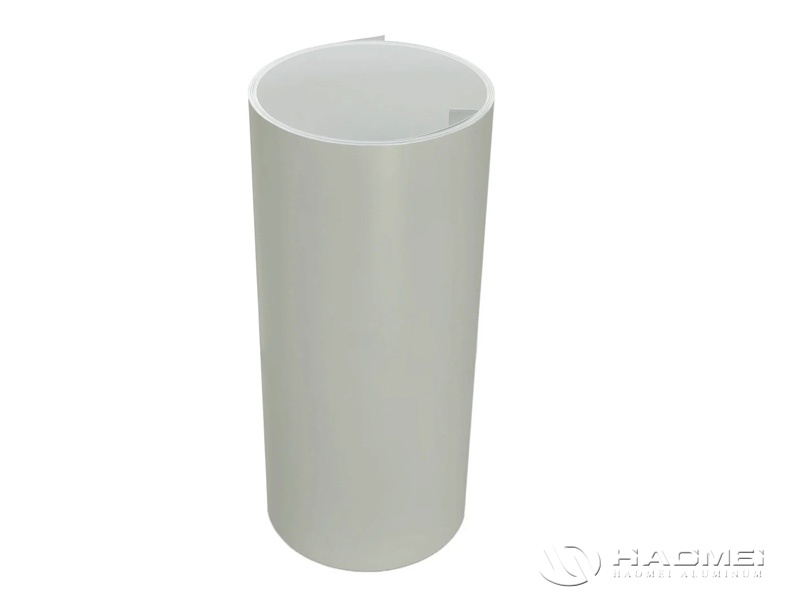
Coating Systems for Colored Aluminum Trim Coil
Coating selection is one of the most important technical decisions. Polyester coatings are cost-effective and suitable for many standard residential applications. SMP, or silicone-modified polyester, provides improved chalking and fading resistance. PVDF coatings offer stronger weather resistance and are often used for demanding architectural environments.
For colored aluminum trim coil used near coastal zones, industrial areas, or high-UV regions, the coating should be chosen carefully. Salt, humidity, and intense sunlight can shorten the life of low-grade finishes. Importers serving multiple regions may keep standard polyester products for general demand while offering higher-performance coatings for specification-driven projects.
Color consistency is another key factor. Batch-to-batch color variation can lead to complaints when contractors install coils from different shipments on the same building. Professional suppliers should control color difference using spectrophotometer testing and provide reference samples before mass production.
Dimensions, Colors, and Market Preferences
Colored aluminum trim coil is commonly supplied in widths such as 24 in, 36 in, and custom metric sizes. Roll lengths often include 50 ft and 100 ft, but export customers may request coil weights suitable for local handling habits. Heavy coils reduce packaging cost per meter but may be inconvenient for small contractors.
Color demand varies by region. White, black, brown, bronze, clay, grey, and sandstone are steady choices in siding and roofing markets. Dark colors are popular in modern architecture, but they can absorb more heat, so coating quality and thermal stability become more important. Wood grain finishes are also growing in some markets where buyers want the appearance of timber without maintenance.
When selecting inventory, distributors should balance fast-moving neutral colors with project-specific shades. A broad color card is attractive, but excessive slow-moving stock can tie up cash. For this reason, many importers use colored aluminum trim coil in standard colors for regular sales and reserve custom colors for project orders with confirmed quantities.
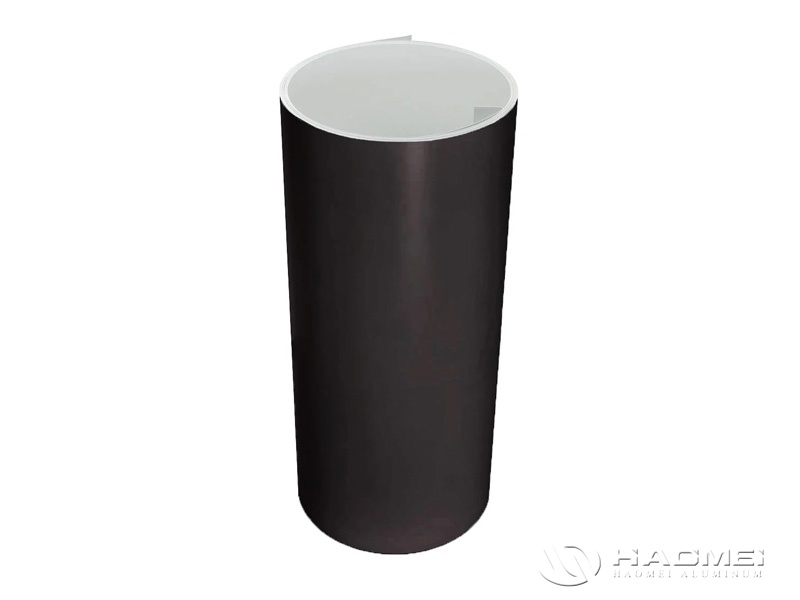
Fabrication and Installation Considerations
Good colored aluminum trim coil should perform well on common bending brakes. The paint surface should not crack, peel, or show whitening after forming. Contractors also expect the coil to cut cleanly without edge burrs that could affect appearance or safety.
Protective film can be useful for high-gloss or dark surfaces, especially during transportation and jobsite handling. However, the film adhesive must be stable. If the adhesive is too strong or left under sunlight for too long, removal may become difficult. Export buyers should specify film type, peel strength, and recommended removal time.
Thermal expansion should also be considered. Aluminum expands and contracts with temperature changes, so installers should avoid overly tight fastening. Proper overlap, drainage, and ventilation help prevent oil canning, trapped moisture, and staining. Even the best colored aluminum trim coil requires correct installation to achieve long service life.
Export Procurement: What Buyers Should Verify
For global procurement, a competitive quotation should include more than FOB price. Buyers should confirm alloy, temper, thickness, width, coating system, color code, inner diameter, roll length, packing method, and minimum order quantity. Clear specifications reduce the risk of receiving material that is technically acceptable but commercially unsuitable.
Packaging is especially important for colored aluminum trim coil because edge damage, moisture marks, and surface scratches directly affect resale value. Export packaging normally includes moisture-proof paper, plastic film, hardboard protection, pallets, corner guards, and clear labels. For long ocean shipments, desiccants and reinforced pallets are recommended.
Documentation also matters. Importers may need mill test certificates, coating reports, certificates of origin, and packing lists with accurate net and gross weights. When selling to government or large private projects, technical data sheets and warranty terms may be required before approval.
Market Observations for Distributors and Project Buyers
Demand for colored aluminum trim coil is closely connected to renovation cycles, siding replacement, roofing accessories, and exterior energy-efficiency upgrades. In mature markets, homeowners prefer low-maintenance exterior materials. In developing markets, contractors value materials that are easy to transport, cut, and install with basic tools.
Price competition is strong, but the lowest-cost coil is not always the best business decision. A distributor may save a small amount on purchase price but lose margin through returns, claims, or poor color matching. Stable quality, predictable lead time, and professional export communication often create more value than minor price differences.
Sustainability is becoming more influential as well. Aluminum is recyclable, and many buyers are asking about recycled content, chrome-free pretreatment, and compliant coating chemistry. Suppliers who can provide clear environmental and quality documentation are better positioned for long-term partnerships.
Practical Specification Checklist for Colored Aluminum Trim Coil
Before placing an order, buyers can use the following checklist:
Confirm alloy and temper suitable for bending.
Define exact thickness and tolerance.
Select coating type based on climate and warranty expectations.
Approve color samples before production.
Specify width, length, inner diameter, and roll weight.
Request T-bend, adhesion, hardness, and salt spray data when needed.
Choose packaging suitable for export transport and warehouse handling.
Confirm labeling, carton marks, pallet size, and documentation.
A well-specified colored aluminum trim coil order reduces uncertainty for both supplier and buyer. It also helps distributors build a product line that performs consistently in the field.
Choosing a Reliable Colored Aluminum Trim Coil Supply Partner
A reliable supplier should understand both production control and overseas market requirements. Technical capability includes stable coating lines, accurate slitting, color measurement, and strict inspection. Export capability includes responsive communication, careful packaging, practical lead times, and experience with different destination standards.
For contractors and distributors, colored aluminum trim coil is more than a decorative material. It is a functional exterior finishing solution that must look good, form easily, resist weather, and arrive without damage. When the specification, coating, and supply chain are aligned, colored aluminum trim coil can support efficient installation, stronger customer confidence, and sustainable repeat business.
ABOUT US
PRODUCTS
APPLICATION
CONTACT US
Mobile: +86-18137889531 (same number on WeChat)
Phone: +86-371-65621391
Email: nydia@aluminumhm.com
No.14 Waihuan Road, CBD,
Zhengzhou, China


Copyright © 2026 Haomei Aluminum CO., LTD.