
nydia@aluminumhm.com

News
Haomei Aluminum CO., LTD.
Trim Coil Price
Trim coil price is not a single number. It is the result of aluminum base metal cost, alloy selection, temper, thickness, coating system, color, order quantity, packaging, freight, and the service level behind the product. After working closely with contractors, distributors, and building material buyers, I have learned that the lowest quoted price is not always the lowest installed cost. A coil that bends cleanly, keeps color consistency, resists chalking, and arrives without edge damage can save far more money on the jobsite than a small discount on the purchase order.
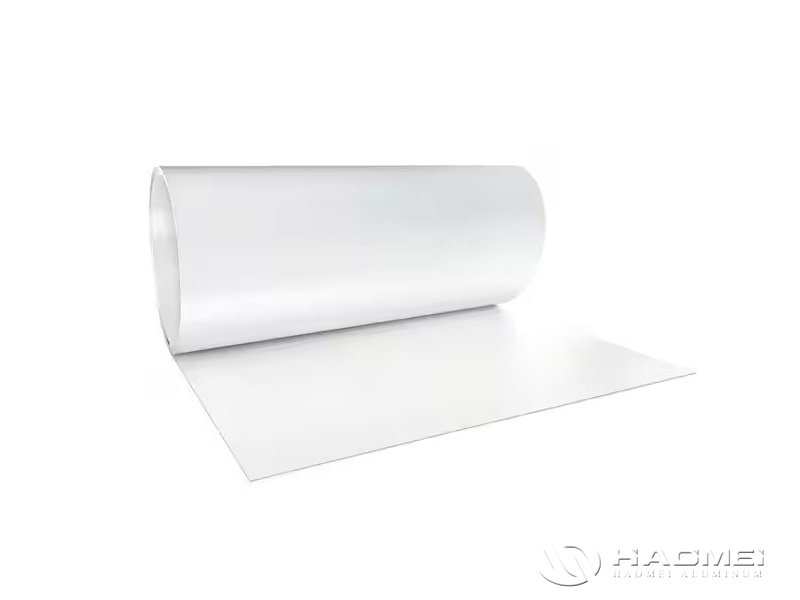
For exterior building applications, trim coil is mainly used to fabricate fascia, window and door trim, rake boards, roof edges, garage door frames, siding accessories, and other custom profiles. The product looks simple, but the manufacturing details are important. A stable coil with proper coating adhesion and controlled mechanical properties will run smoothly through a brake, slitter, roll former, or jobsite bending tool.
What Determines Trim Coil Price?
When customers ask me for today's trim coil price, I usually separate the quotation into several cost drivers. This helps buyers compare offers fairly instead of looking only at the price per roll.
| Price factor | How it affects cost | Practical note |
|---|---|---|
| Aluminum ingot price | High impact | Linked to LME, regional premiums, and market volatility |
| Alloy and temper | Medium impact | 3105 H24 or H26 is common for painted trim coil |
| Thickness | High impact | 0.019 in, 0.024 in, and 0.032 in have different metal consumption |
| Width and length | Medium impact | Common sizes include 24 in x 50 ft and wider coil stock |
| Coating type | High impact | Polyester, PVC, textured, and specialty finishes vary widely |
| Color | Medium impact | Standard white, brown, black, gray may cost less than custom colors |
| Quantity | High impact | Larger volume improves coating, slitting, and logistics efficiency |
| Packaging and freight | Medium impact | Strong cartons, pallets, and moisture protection reduce damage claims |
In a rising aluminum market, quotations may be valid for a short period only. In a softer market, mills and stockists may offer more flexible pricing, especially for standard colors and popular gauges. My advice is to track not only the metal price but also lead time and inventory availability. A low price with delayed delivery can create project costs that are difficult to recover.
Common Alloys for Aluminum Trim Coil
Most quality trim coil products are made from 3000 series aluminum because this family offers an excellent balance of formability, corrosion resistance, coating performance, and cost. For product pages and direct specification, many buyers start with Aluminum Trim Coil because it covers the mainstream requirements for residential and light commercial exterior finishing.
| Alloy | Main characteristics | Typical use in trim coil |
|---|---|---|
| 3003 | Good formability, moderate strength, excellent corrosion resistance | General trim, flashing, decorative profiles |
| 3105 | Higher strength than 3003, very common for painted building products | Fascia, window trim, siding accessories |
| 3004 | Good strength and formability, often used where durability matters | Exterior cladding and formed parts |
| 1100 | Very soft, high aluminum purity, excellent workability | Special decorative or deep forming applications |
| 5052 | Higher strength and marine-grade corrosion resistance | Less common for standard trim, useful for harsher environments |
From my experience, 3105 is often the best commercial choice for painted trim coil. It bends well, holds a profile, and performs reliably outdoors when paired with a suitable coating system. For cost-sensitive projects, 3003 may be attractive, but buyers should confirm mechanical properties and coating requirements before switching alloys.
Tempers and Forming Performance
Temper matters because trim coil must be stiff enough to stay flat and strong enough to hold its formed shape, yet flexible enough to avoid cracking during bending. Common tempers include H14, H16, H24, H26, and H28. For jobsite bending, H24 and H26 are frequently preferred because they provide a practical balance between strength and formability.
A very hard temper can look good on a data sheet, but it may crack at tight bends, especially when the temperature is low or the brake radius is sharp. A very soft temper may bend easily but can show oil canning, handling marks, or reduced profile stability. When I evaluate a trim coil supplier, I always pay attention to consistency from coil to coil. A contractor should not need to adjust bending pressure every time a new roll is opened.
Thickness Options and Price Differences
Thickness is one of the clearest drivers of trim coil cost. Popular products include 0.019 inch, 0.024 inch, and 0.032 inch aluminum trim coil. The 0.024 inch option is widely used because it provides a good balance of rigidity, durability, and cost. Buyers looking for this specification can review 024 Trim Coil when comparing gauge, finish, and application suitability.
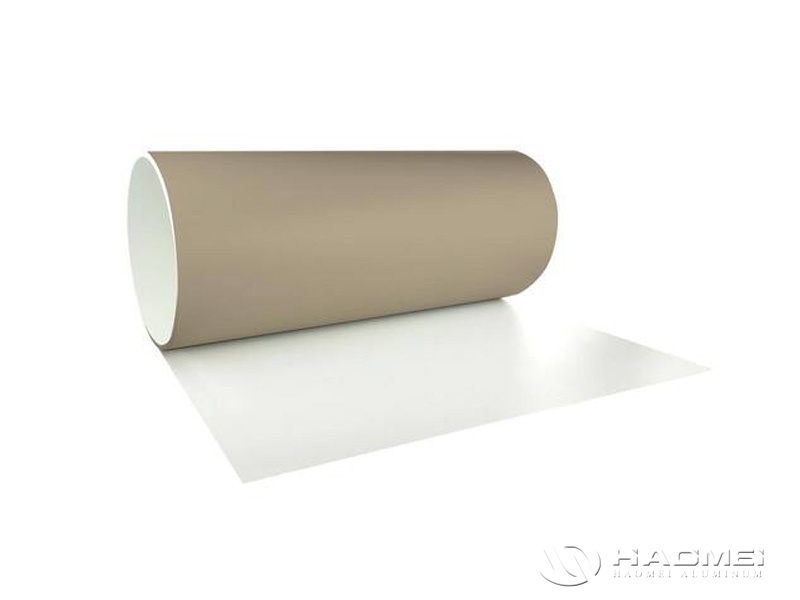
Thinner coil may reduce material cost, but it can be more vulnerable to dents and waves. Heavier coil increases durability and premium feel, but it also increases roll weight, freight cost, and forming effort. The right choice depends on exposure, profile width, building design, and installer preference.
Surface Finishes and Coating Systems
Trim coil price also changes significantly with the finish. The most economical products are usually standard polyester painted coils in high-demand colors. PVC-coated trim coil, textured finishes, wood grain patterns, and specialty colors require additional processing and tighter quality control, so they cost more.
A good coating should offer:
Strong adhesion during bending and hemming
UV resistance against fading and chalking
Consistent gloss and color across batches
Scratch resistance during fabrication and installation
Good weatherability in rain, snow, heat, and coastal humidity
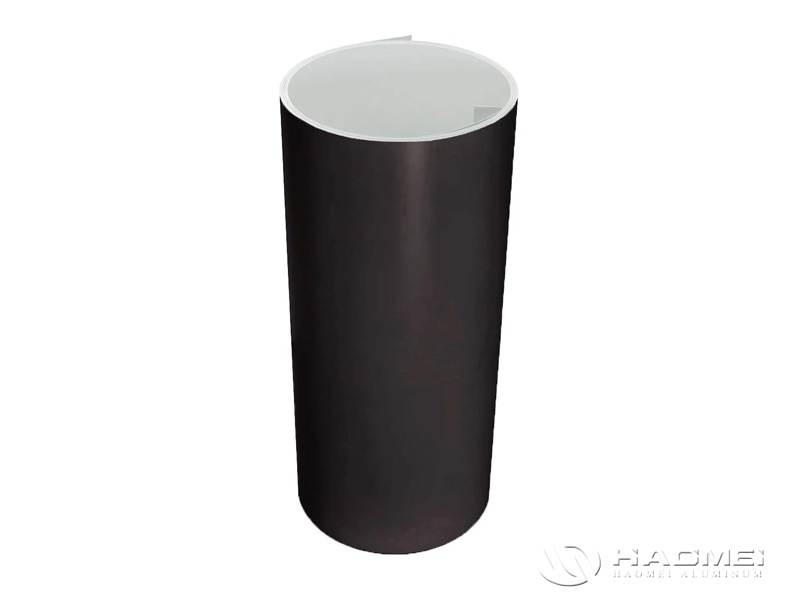
Color selection has become more important in recent years. White remains a staple, but black, bronze, brown, gray, clay, and wood grain finishes continue to grow in demand. Dark colors look modern and premium, but they absorb more heat, so coating quality and substrate stability become even more important.
Key Product Properties
Professional trim coil should not be judged only by appearance. The following properties are what I look for when evaluating product quality:
Formability: The coil should bend without paint cracking, edge splitting, or excessive springback.
Flatness: Good flatness helps reduce waves on fascia and wide trim surfaces.
Corrosion resistance: Aluminum naturally forms a protective oxide layer, and coating adds another barrier.
Paint adhesion: Poor adhesion may not appear immediately, but it can fail after bending or outdoor exposure.
Edge quality: Clean slit edges improve safety and reduce scratches during fabrication.
Color consistency: Important for multi-roll projects, especially on visible elevations.
Packaging integrity: Moisture, abrasion, and edge impact can ruin otherwise good material.
These details are the reason experienced buyers often prefer stable suppliers over one-time low offers. In exterior building products, repeatability is a real form of value.
Advantages of Aluminum Trim Coil
Aluminum trim coil has strong advantages compared with wood trim, steel trim, and some vinyl alternatives. It is lightweight, easy to fabricate, corrosion resistant, and available in many colors. It does not rot, split, or require regular repainting like wood. Compared with steel, it is easier to bend on site and has better natural corrosion resistance. Compared with vinyl, it offers sharper bends and a more solid finished appearance.
Another advantage is design flexibility. Installers can cut and bend trim coil into custom shapes, which makes it suitable for both new construction and renovation. For distributors, standard roll sizes such as 24 x 50 ft are convenient to stock, transport, and sell. For contractors, a clean roll with predictable bending behavior improves productivity.
Applications in Building and Construction
Trim coil is used across residential, commercial, and light industrial projects. Common applications include:
Window and door casing
Fascia and rake board covering
Roof edge and drip edge trim
Porch posts and beam wrapping
Garage door trim
Siding transitions and accessories
Soffit and gutter-related details
Exterior decorative profiles
Mobile home and modular building trim
Signage and light fabrication work
In renovation projects, trim coil is especially valuable because it can cover aging wood and create a low-maintenance exterior. In new construction, it helps deliver a clean architectural finish while controlling long-term maintenance costs.
How to Buy at a Fair Trim Coil Price
A professional trim coil quotation should clearly state alloy, temper, thickness, width, length, coating type, color, core size, packaging method, tolerance, quantity, and delivery terms. If any of these details are missing, the price comparison may be misleading.
My practical buying suggestions are simple: confirm the real metal thickness, request coating information, check color samples under natural light, and ask how the rolls are packed. If the project is large, keep one approved sample from the first batch and compare it with later deliveries. For contractors, this small habit prevents disputes about color variation and finish quality.
Trim coil price will always move with the aluminum market, but good purchasing decisions are based on more than daily metal cost. The best value comes from the right alloy, suitable temper, reliable coating, accurate thickness, and a supplier who understands how the product will be formed and installed in real conditions.
ABOUT US
PRODUCTS
APPLICATION
CONTACT US
Mobile: +86-18137889531 (same number on WeChat)
Phone: +86-371-65621391
Email: nydia@aluminumhm.com
No.14 Waihuan Road, CBD,
Zhengzhou, China


Copyright © 2026 Haomei Aluminum CO., LTD.