
nydia@aluminumhm.com

News
Haomei Aluminum CO., LTD.
Wholesale Color Coated Aluminum Sheet
Wholesale buyers of color coated aluminum sheet usually care about two things that decide real performance: the metal base (alloy and temper) and the coating system (paint chemistry, film build, and curing). As a production-side technician, I have seen that when these fundamentals are specified clearly, downstream processing becomes stable, claims drop sharply, and projects run on schedule.
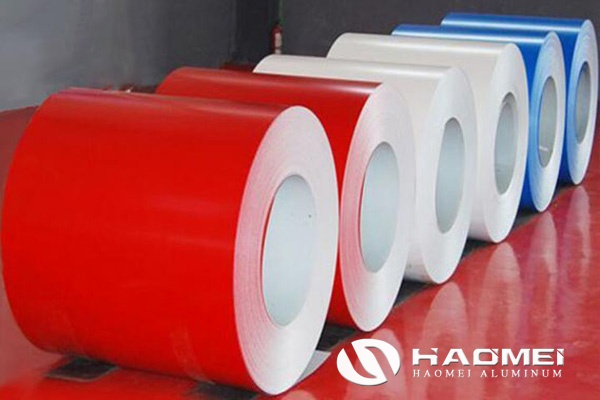
What is wholesale color coated aluminum sheet?
Color coated aluminum sheet is aluminum (most often supplied from coil and cut-to-length) that has been pretreated and roller-coated with a primer and topcoat, then baked to achieve a durable, uniform finish. The result is a lightweight sheet with consistent color, strong corrosion resistance, and good formability.
If you are sourcing for continuous production, it is worth aligning your purchase with a dedicated product category such as Color Coated Aluminium Sheet to ensure the specs match downstream cutting, bending, stamping, or panel fabrication requirements.
Main specifications buyers should lock in
Below are the most practical specification items that affect quality, yield, and long-term appearance.
1) Base metal: alloy and temper
Common alloys include:
1xxx series (e.g., 1050/1060): high purity, excellent formability, good for signage and general decorative uses.
3xxx series (e.g., 3003/3004/3105): manganese-alloyed, a strong balance of formability and strength, widely used for building cladding, ceilings, shutters.
5xxx series (e.g., 5052): magnesium-alloyed, higher strength and better marine-corrosion resistance, often selected for harsh outdoor environments.
Tempers typically include H14, H24, H16, H18, and for some applications softer tempers for deep drawing. The right temper is less about "strongest possible" and more about avoiding edge cracking during forming.
2) Thickness, width, and tolerances
Typical thickness ranges are 0.20–3.00 mm, with many building and appliance applications clustered around 0.30–1.20 mm. For wholesale purchasing, ask for:
thickness tolerance standard (and whether it is measured before or after coating)
width tolerance
flatness or camber requirements for cut sheets
Tight tolerances matter for automated roll-forming and cassette panel systems, where deviation becomes visible as waviness or joint mismatch.
3) Coating system: PE vs PVDF (and what that really means)
Paint chemistry determines UV resistance, chalking behavior, and service life.
PE (Polyester): cost-effective, broad color availability, good indoor and mild outdoor performance. Ideal for interior ceilings, partition panels, and short-to-mid cycle projects.
PVDF (typically 70% PVDF resin): premium weatherability, superior UV and color retention, preferred for exterior facades, airports, and high-sun regions.
In real production terms, PVDF systems also demand stricter process control: cure temperature window, line speed stability, and pretreatment quality. If a supplier cannot show consistent bake curves and film thickness records, PVDF performance in the field becomes unpredictable.
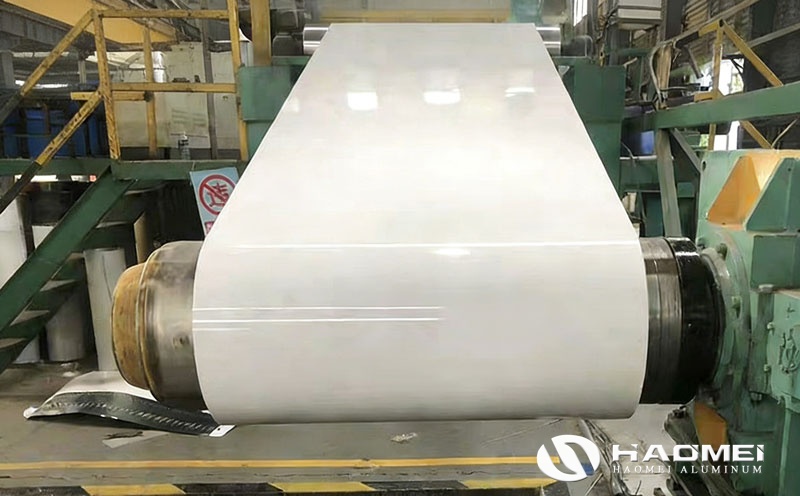
4) Paint film thickness and structure
A common structure is:
Topcoat: ~15–25 μm (higher for premium exterior)
Primer: ~5–10 μm
Back coat/service coat: ~5–10 μm (or higher if lamination/adhesive bonding is needed)
Film build affects not only durability but also forming. Too brittle a system can micro-crack at bends; too soft can block during stacking.
5) Pretreatment: the hidden foundation
Pretreatment (chromate or chrome-free conversion coating) is the base for adhesion and corrosion resistance. From my experience, many "mystery failures" trace back to poor pretreatment control: inconsistent degreasing, low conversion weight, or contaminated rinse water. Buyers should request process description and inspection items such as adhesion tests (cross-hatch) and corrosion tests (T-bend + salt spray, when applicable).
6) Surface finish, gloss, and color standard
Define:
gloss level (matte, semi-gloss, high gloss)
texture (smooth, embossed, orange peel, brushed effect)
color standard (RAL, Pantone, or approved sample)
protective film type and thickness for fabrication protection
For wholesale supply, color consistency across batches is a major value driver. A disciplined supplier will control coil-to-coil ΔE and keep master panels for reference.
Key features and performance advantages
Consistent appearance at scale
Because coating is applied in a continuous coil-coating process, color and gloss can be more uniform than post-painting, especially for large volumes.
Strong corrosion resistance with lightweight efficiency
Aluminum naturally forms an oxide layer, and the coating system adds another barrier. This combination gives a favorable corrosion-resistance-to-weight ratio, making it easier to ship, handle, and install.
Faster fabrication and cleaner processing
Prepainted sheet reduces on-site painting, VOC exposure, and drying delays. In many projects, this is the difference between a stable schedule and repeated rework.
Better cost control over the project lifecycle
Wholesale color coated aluminum sheet may not always be the lowest per-ton option, but it often lowers total cost by improving yield (fewer scratches/defects), reducing painting labor, and minimizing callbacks due to fading or chalking.
Applicable scenarios: where it performs best
Building envelope and architectural systems
curtain wall panels, rainscreen cladding
fascia, soffits, ceilings
shutters and roller doors
For exterior applications, PVDF is typically the safe choice when long-term color retention is required.
Appliance and equipment panels
casings, housings, interior liners (depending on chemical exposure)
electrical cabinets and control boxes
Here, PE systems are common, but specify scratch resistance and forming performance based on your stamping and bending radius.
Signage, display, and transportation trim
signboards, decorative panels
interior trim components where consistent color matters
If your project needs both sheet and coil supply formats, pairing cut-to-length material with Color Coated Aluminum Coil sourcing can simplify color matching and reduce inventory complexity.
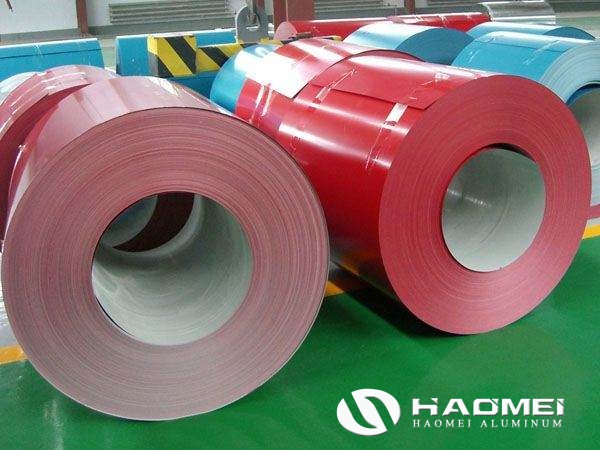
Practical buying tips from the production floor
Ask for test methods, not only test results. Adhesion, MEK rub, pencil hardness, T-bend, and salt spray results are meaningful only with declared standards.
Match coating to forming severity. Tight radii and deep draws need a coating designed for flexibility.
Clarify packaging. Edge protectors, interleaf, moisture barrier, and pallet structure prevent transport scratches and "water stain" issues.
Confirm traceability. Coil ID, batch records, and retained panels help resolve any downstream disputes quickly.
Wholesale color coated aluminum sheet works best when it is treated as an engineered material, not a commodity. When alloy selection, pretreatment, coating chemistry, and film build are specified with the end-use in mind, you get a product that fabricates cleanly, looks consistent, and holds up in real service conditions.
ABOUT US
PRODUCTS
APPLICATION
CONTACT US
Mobile: +86-18137889531 (same number on WeChat)
Phone: +86-371-65621391
Email: nydia@aluminumhm.com
No.14 Waihuan Road, CBD,
Zhengzhou, China


Copyright © 2026 Haomei Aluminum CO., LTD.