
nydia@aluminumhm.com

News
Haomei Aluminum CO., LTD.
Powder Coated Sheet Size
Selecting the right powder coated sheet size is not only a drawing-room decision. It determines yield, fabrication stability, coating performance at formed edges, packaging efficiency, and even freight cost per usable square meter. In export projects, a well-specified powder coated sheet size also reduces claims by aligning tolerances, inspection methods, and handling rules with the customer's downstream process.
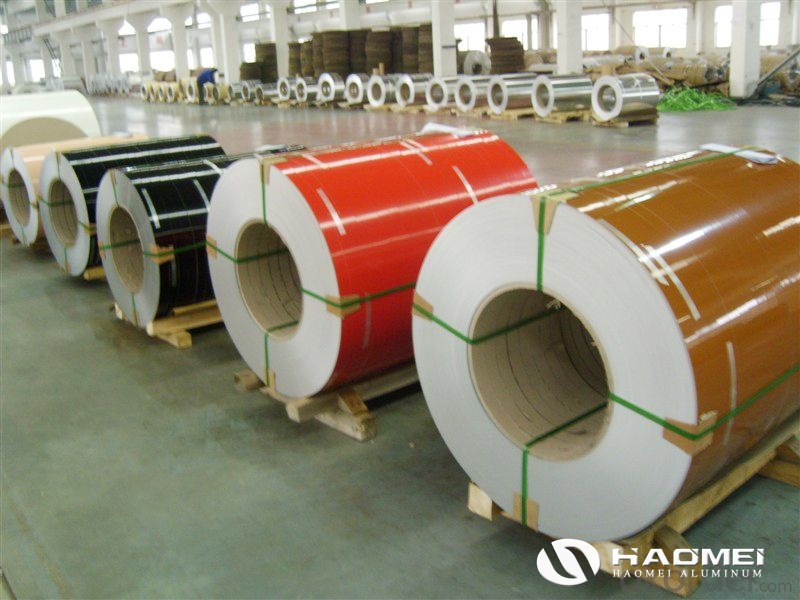
What "powder coated sheet size" really includes (not just length × width)
When buyers ask for powder coated sheet size, many are referring to a simple L × W dimension. In technical purchasing, "size" should include a controlled set of parameters:
- Nominal length and width (e.g., 1000 × 2000 mm, 1220 × 2440 mm)
- Thickness (e.g., 0.8 mm, 1.2 mm, 2.0 mm), including tolerance band
- Flatness and squareness (critical for CNC nesting and cassette loading)
- Coating build (powder film thickness and its tolerance)
- Edge condition (sheared edge, trimmed edge, deburred edge)
- Protective film (type, peel force, and temperature window)
A practical rule: the best powder coated sheet size is the one that minimizes scrap while meeting forming and installation constraints, not necessarily the largest panel your supplier can cut.
Common powder coated sheet size standards used in global trade
Across architectural cladding, signage, enclosure panels, and general metalwork, the market tends to converge on a few "trade-friendly" panel sizes. These are popular because they match common coil widths, nesting software libraries, and pallet footprints.
Typical powder coated sheet size ranges you will see:
- 1000 × 2000 mm: efficient for small enclosures and mixed SKU orders
- 1250 × 2500 mm: widely used for architectural and fabrication shops
- 1500 × 3000 mm: used where fewer joints are preferred (requires handling capacity)
- 1220 × 2440 mm (4' × 8'): common in North America and signage supply chains
- 1524 × 3048 mm (5' × 10'): used for larger façade and transport components
From an exporter's viewpoint, choosing a powder coated sheet size that aligns with container packing is often overlooked. If the sheet exceeds standard pallet or crate limits, you may pay more in packaging, suffer higher damage risk, and see longer unloading time.
How powder coated sheet size interacts with thickness and flatness
Two sheets can share the same powder coated sheet size yet behave very differently on the shop floor due to thickness and residual stress.
Key considerations:
- Thin gauges (0.6–1.0 mm) are more sensitive to handling dents and oil-canning. Larger powder coated sheet size panels may show visible waviness under directional light.
- Mid gauges (1.0–2.0 mm) balance rigidity and formability for most architectural trims and fabricated housings.
- Thicker sheets (2.0–4.0 mm) improve stiffness, but cutting and bending require higher tonnage; larger powder coated sheet size panels may demand special lifting and racking.
If the downstream process includes CNC routing, cassette-fed punching, or automated bending, specify flatness criteria rather than assuming "commercially flat." For long panels, squareness and edge straightness also matter because they affect alignment during folding and assembly.
Powder coating build: a hidden variable in powder coated sheet size decisions
Powder coating adds thickness, and more importantly, it adds functional performance (UV durability, corrosion resistance, abrasion resistance). But coating build can influence fit-up in tight assemblies.
For powder coated sheet size projects where parts are slotted, interlocked, or stacked:
- Typical film thickness is often in the 60–120 μm range depending on specification.
- Higher build improves protection but can reduce tolerance in laser-cut tabs, press-fit joints, and slide channels.
- On formed parts, coating at the bend radius may thin. Plan bend radius and alloy/temper accordingly, especially when the powder coated sheet size is intended for aggressive forming.
A procurement best practice is to call out the inspection method (magnetic/eddy thickness gauge) and sampling plan per batch. This avoids disputes where one party measures over texture peaks and the other measures in valleys.
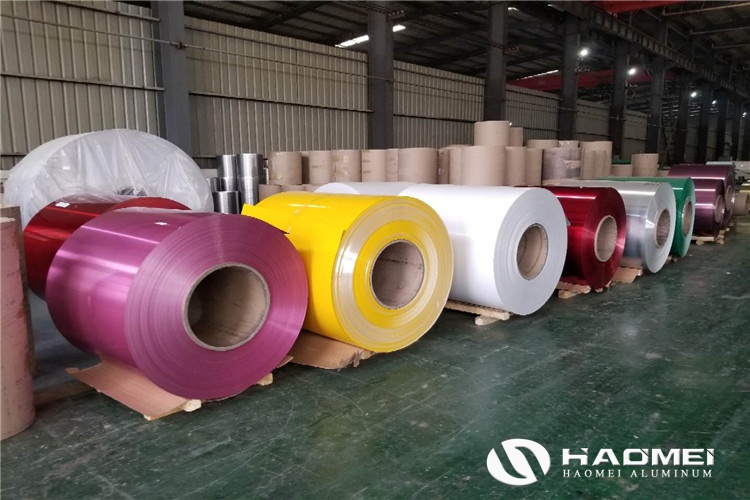
Choosing powder coated sheet size by application: practical guidance
Below is a field-tested way to select powder coated sheet size based on common end uses.
Architectural panels and trims
- Prefer powder coated sheet size that reduces seams but still fits your site handling (hoists, scaffolding constraints).
- Consider thermal movement; longer panels may require expansion gaps.
- Flatness and color consistency across lots are usually more critical than extreme tight dimensional tolerances.
Enclosures, cabinets, and HVAC housings
- Optimize powder coated sheet size for nesting yield (CAD/CAM). A slightly different size can cut scrap by several points.
- If parts are punched and folded, specify edge quality and film adhesion.
Signage and display systems
- North American channels often default to 4' × 8' and 5' × 10'. Confirm whether the customer is designing around those modules.
- For laminated graphics, surface energy and texture uniformity matter as much as powder coated sheet size.
Transport and equipment components
- Larger powder coated sheet size may reduce weld seams but increases risk of handling damage.
- For vibration environments, thickness and alloy selection must match fastener loads and fatigue demands.
Tolerances that matter most when specifying powder coated sheet size
Many disputes in international orders are not about the nominal powder coated sheet size, but about tolerance assumptions.
Ask for clarity on:
- Length/width tolerance (cut-to-length accuracy)
- Thickness tolerance (base metal, not including coating)
- Diagonal difference (squareness) for large rectangles
- Camber/edge wave limits for long strips
- Burr direction and maximum burr height
When customers will shear, notch, or brake-form the sheet, tight control on squareness and edge condition can reduce setup time and improve repeatability. If the buyer only inspects L × W but ignores diagonal, a "pass" sheet may still fail in assembly.
Packaging and logistics: powder coated sheet size as a freight decision
In export, powder coated sheet size affects packaging design and total landed cost.
Practical export notes:
- Pallet footprint: Matching common pallet sizes reduces overhang, edge damage, and forklift punctures.
- Crating: Oversize powder coated sheet size panels may require full wooden cases, adding cost and weight.
- Interleaving and film: Use protective film and interleaving paper where abrasion risk exists, especially for matte finishes.
- Container utilization: A "non-standard" powder coated sheet size can create void space that increases freight per sheet.
If you are importing into humid or coastal regions, request moisture barrier measures (desiccant, VCI where appropriate) and define allowable storage time before installation.
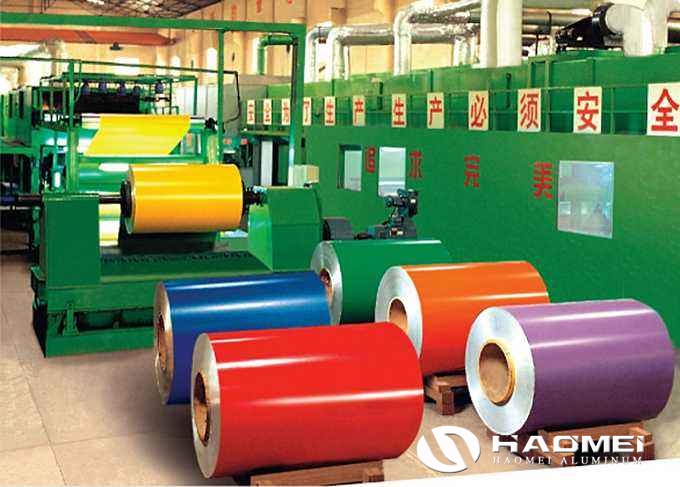
Market observations: why powder coated sheet size requests are changing
Global buyers are adjusting powder coated sheet size specifications for three main reasons:
- Automation and nesting software: Fabricators prefer sizes that maximize CNC utilization, sometimes favoring 1250 × 2500 mm over legacy sizes.
- On-site labor costs: Larger panels can reduce installation joints, but only when logistics and lifting plans are mature.
- Supply chain resilience: Buyers increasingly accept alternative powder coated sheet size options that align with available coil widths and stable production schedules.
For projects with tight delivery windows, being flexible on powder coated sheet size (within design constraints) can improve lead time and reduce partial shipments.
How to write a purchase specification that prevents rework
A robust purchase line item should define the powder coated sheet size and the performance outcomes that matter to the end user.
Recommended checklist:
- Powder coated sheet size: nominal L × W
- Base metal: alloy/temper suitable for forming (if required)
- Thickness and tolerance
- Coating system: chemistry, film thickness range, gloss level, texture
- Color standard and allowable delta
- Surface protection: film type, inside/outside application
- Inspection standard and acceptance criteria
- Packaging: pallet/case type, maximum stack height, corner protection
If you are sourcing finished panels rather than raw material, align your request with a product definition such as Powder Coated Aluminium Sheet so the supplier knows you expect a sheet-ready item, not coil or uncoated substrate.
When the application involves folding, punching, or laser cutting, it is often better to reference fabrication suitability by ordering Powder Coated Sheet Metal requirements (flatness, edge condition, protective film behavior) rather than only repeating the powder coated sheet size.
Buyer-side troubleshooting: common issues tied to powder coated sheet size
If a shipment meets the nominal powder coated sheet size but fails in production, these are the usual causes:
- Panel waviness on large sizes: consider thicker gauge, improved leveling, or smaller powder coated sheet size modules.
- Fit-up problems in slots and seams: verify coating build and whether dimensions were specified before or after coating.
- Scratches during transit: upgrade interleaving, use higher-quality film, and reduce pallet overhang relative to powder coated sheet size.
- Color mismatch across lots: tighten batch control and require retained samples; large powder coated sheet size panels make mismatches more visible.
A disciplined specification, paired with realistic tolerances and packaging rules, typically delivers a better outcome than simply asking for the "best" powder coated sheet size.
ABOUT US
PRODUCTS
APPLICATION
CONTACT US
Mobile: +86-18137889531 (same number on WeChat)
Phone: +86-371-65621391
Email: nydia@aluminumhm.com
No.14 Waihuan Road, CBD,
Zhengzhou, China


Copyright © 2026 Haomei Aluminum CO., LTD.