
nydia@aluminumhm.com

News
Haomei Aluminum CO., LTD.
Powder Coated Cast Aluminum Sheet
Selecting a powder coated cast aluminum sheet is rarely just about color. For distributors, fabricators, and project owners, the right choice depends on casting quality, alloy chemistry, sheet flatness, coating chemistry, and the real service environment. A powder coated cast aluminum sheet can deliver excellent corrosion resistance and a stable finish, but only when the substrate and pretreatment match the performance target.
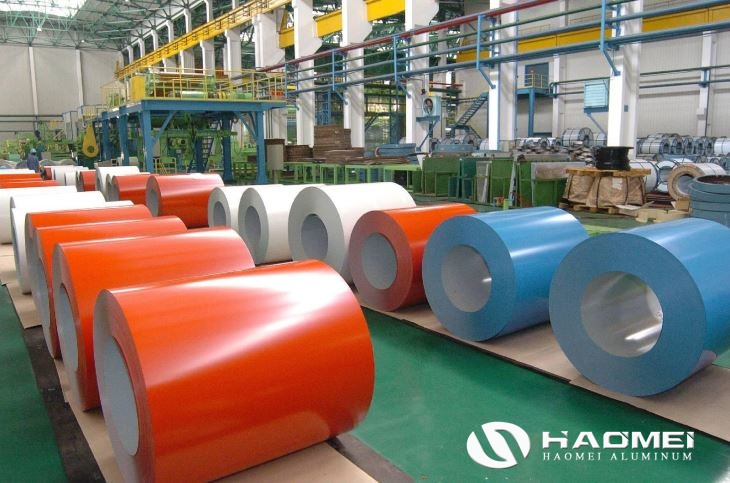
What Is a Powder Coated Cast Aluminum Sheet?
A powder coated cast aluminum sheet is a flat cast aluminum substrate (typically produced by cast rolling or continuous casting routes) that is coated with a thermoset or thermoplastic powder, then cured to form a continuous protective film. Compared with some coil-coated routes, powder coating is often used when buyers need a thicker coating build, improved edge coverage, or a particular texture/gloss.
Key characteristics of a powder coated cast aluminum sheet include:
Substrate: cast aluminum sheet with distinct grain structure and potentially higher silicon compared with wrought sheet.
Coating: commonly polyester (PE), superdurable polyester, epoxy-polyester hybrids (indoor), or specialized systems.
Typical uses: architectural panels, equipment housings, marine interiors, transportation parts, and signage where durability and appearance matter.
Because cast substrates can vary more in porosity and inclusions than wrought sheet, controlling pretreatment and surface preparation is essential for a reliable powder coated cast aluminum sheet.
Powder Coated Cast Aluminum Sheet vs. Wrought Sheet: Practical Differences
When buyers compare a powder coated cast aluminum sheet to a powder coated wrought sheet, differences show up in flatness, machinability, and coating risk.
Substrate structure and porosity
A powder coated cast aluminum sheet may exhibit micro-porosity or entrapped gases from casting. During curing, these can outgas and create pinholes or "volcano" defects in the powder film. Good suppliers mitigate this through substrate control, proper degassing cycles, and suitable primers.
Dimensional stability and flatness
Cast sheet can be more consistent in thickness, but flatness depends on process control and heat history. If the part will be laser cut, CNC routed, or formed, specify flatness tolerance and temper condition early.
Surface appearance
For high-visibility applications, a powder coated cast aluminum sheet should be evaluated under controlled lighting for orange peel, texture uniformity, and gloss consistency across batches.
Coating Systems That Work Best on Powder Coated Cast Aluminum Sheet
A powder coated cast aluminum sheet performs in line with its coating chemistry and pretreatment. For export buyers, asking "What powder was used?" is not enough; you need the full coating stack.
Pretreatment: the hidden performance driver
For a powder coated cast aluminum sheet, pretreatment is the foundation of adhesion and corrosion resistance.
Chromate conversion: strong corrosion protection; regulated in many markets.
Chromium-free conversion (Ti/Zr-based): widely used for compliance and consistent adhesion.
Anodic pretreatment or specialized primers: sometimes used for aggressive coastal or industrial exposure.
Powder types and where they fit
Epoxy: excellent chemical resistance indoors, but poor UV resistance.
Epoxy-polyester hybrid: cost-effective for indoor metal furniture and enclosures.
Polyester (standard): general outdoor use with balanced cost and UV stability.
Superdurable polyester: better gloss retention for architectural exteriors.
If you are sourcing a powder coated cast aluminum sheet for outdoor cladding, signage, or transportation, prioritize weathering grades and documented test results rather than relying on generic "outdoor powder" claims.
Performance Metrics to Specify for Powder Coated Cast Aluminum Sheet
A powder coated cast aluminum sheet should be specified using measurable criteria so distributors and end-users can compare suppliers objectively.
Coating thickness and cure control
Typical powder film thickness for a powder coated cast aluminum sheet is often 60–120 μm, but project needs vary. Over-thick films can reduce impact flexibility; under-thick films reduce barrier protection.
Ask for:
Target dry film thickness (DFT) range
Cure schedule (metal temperature and time)
Crosshatch adhesion results (per applicable standards)
Corrosion resistance for real environments
For a powder coated cast aluminum sheet used outdoors, salt spray and cyclic corrosion testing are common screening tools. More important is how the system handles:
Cut edges and fastener zones
Crevices and trapped moisture
Galvanic contact with steel, copper, or stainless
Mechanical properties for fabrication
A powder coated cast aluminum sheet may be punched, routed, or bent depending on thickness and alloy. If bending is required, define:
Minimum bend radius
Coating flexibility (T-bend or mandrel bend where applicable)
Impact resistance requirement
Common Failure Modes (and How to Prevent Them)
A powder coated cast aluminum sheet is durable, but most field problems are predictable and preventable.
1) Outgassing pinholes
Cause: casting porosity releasing gases during cure.
Prevention for powder coated cast aluminum sheet:
Controlled substrate quality
Pre-bake/degas cycle
Use of outgassing-tolerant powders or primers
2) Poor adhesion or peeling
Cause: inadequate cleaning, weak conversion coating, contamination (oil/silicone).
Prevention:
Verified pretreatment line parameters
Clean packaging and interleaving
Adhesion testing on each lot
3) Filiform corrosion (thread-like underfilm corrosion)
Cause: moisture penetration under coating, especially in humid climates.
Prevention:
Strong pretreatment + suitable powder chemistry
Edge sealing for cut edges in harsh environments
Avoid trapping moisture behind panels
4) Color inconsistency between batches
Cause: different powder lots, inconsistent cure temperature, gloss variation.
Prevention:
Batch control and recorded oven profiles
Agreed color standard (RAL/Pantone/sample master)
Defined gloss range for the powder coated cast aluminum sheet
Application Solutions by Industry
Architectural cladding and façades
A powder coated cast aluminum sheet can work well for rainscreen panels, soffits, and decorative elements, especially when thickness and rigidity are beneficial. For exterior architecture, specify superdurable polyester and require proof of weathering performance suitable for the target climate.
If your project compares different coated aluminum formats, review product options under Powder Coated Aluminum to align coating systems, thickness ranges, and typical applications.
Marine and coastal infrastructure
For a powder coated cast aluminum sheet near saltwater, prioritize:
Robust pretreatment
Higher coating build (within manufacturer limits)
Design details that drain water and avoid crevices
Industrial equipment and enclosures
Powder coating is valued for chip resistance and aesthetics. A powder coated cast aluminum sheet is often chosen when parts are machined from plate-like stock and need a uniform appearance after fabrication.
Signage and transport components
A powder coated cast aluminum sheet supports decorative finishes and textures while providing good handling durability. For parts exposed to UV, insist on outdoor-grade polyester systems and a controlled gloss target.
Export Buying Checklist: Specs That Reduce Risk
International buyers often receive quotes that look comparable until production begins. For a powder coated cast aluminum sheet, align on these deliverables before placing orders:
Alloy and temper/condition: confirm chemistry limits and mechanical needs.
Sheet thickness tolerance and flatness: specify acceptable bow, wave, and camber.
Surface quality level: define acceptable pinholes, inclusions, and cosmetic limits.
Pretreatment type: chromate vs chromium-free, and process control.
Powder type and grade: indoor/outdoor, standard vs superdurable.
DFT range and test methods: how thickness is measured and sampling frequency.
Adhesion, impact, bend performance: include pass/fail criteria.
Corrosion testing: salt spray/cyclic targets relevant to the market.
Color control: color standard, gloss range, ΔE tolerance if required.
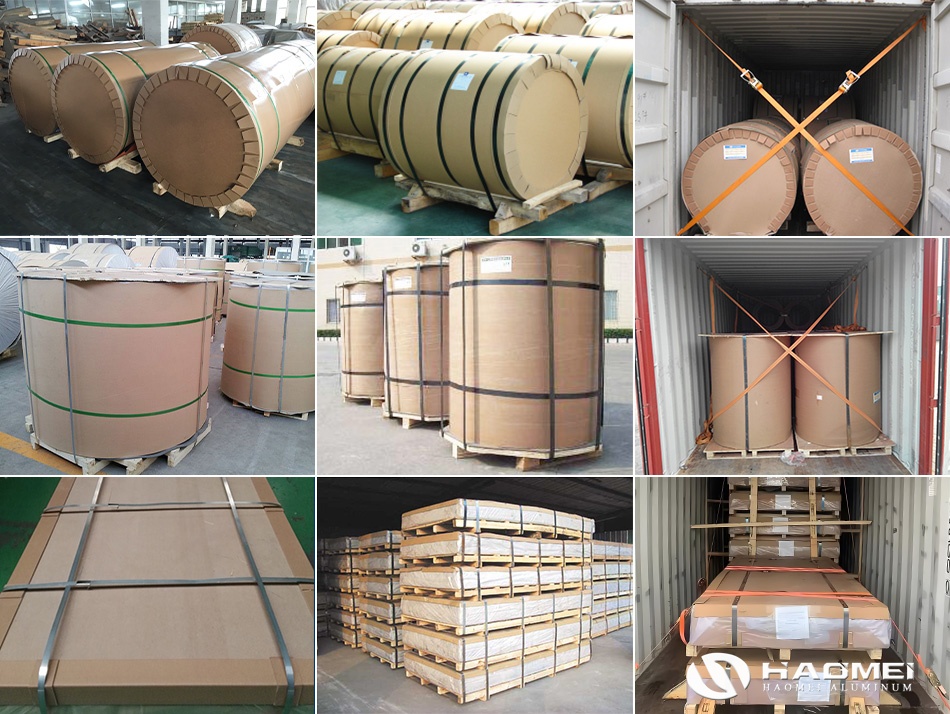
Packing and handling: interleaving film/paper, edge protection, pallet type.
For buyers benchmarking sources across regions, it can also help to compare capabilities and lead times from Powder Coated Aluminium Suppliers that support consistent pretreatment and batch traceability.
Market Observations: What Global Buyers Are Prioritizing
Demand for powder coated cast aluminum sheet is being shaped by three practical trends:
Compliance and sustainability: chromium-free pretreatments and low-VOC processes are preferred in more tenders.
Higher aesthetic standards: tighter gloss and color tolerances, matte finishes, and texture consistency.
Supply chain resilience: buyers want documented QC, lot traceability, and packing that prevents transit damage.
For exporters, these expectations translate into better documentation: inspection records, coating batch IDs, cure profiles, and clear claim handling procedures. For importers and distributors, they reduce downstream disputes and simplify approvals with fabricators.
How to Match Powder Coated Cast Aluminum Sheet to Your Use Case
A powder coated cast aluminum sheet is a strong option when you need a durable, attractive surface with thicker coating potential and good edge coverage, provided the substrate is controlled and outgassing risks are addressed. For outdoor projects, focus on pretreatment quality, powder grade, and proven weathering performance. For fabrication-heavy parts, validate bend/impact behavior and confirm that the coating will survive cutting and machining without excessive chipping.
If you share your target market (coastal vs inland), service temperature range, and fabrication steps, it becomes straightforward to define the right powder coated cast aluminum sheet specification and the inspection items that protect your margin and your customer's project schedule.
ABOUT US
PRODUCTS
APPLICATION
CONTACT US
Mobile: +86-18137889531 (same number on WeChat)
Phone: +86-371-65621391
Email: nydia@aluminumhm.com
No.14 Waihuan Road, CBD,
Zhengzhou, China


Copyright © 2026 Haomei Aluminum CO., LTD.