
nydia@aluminumhm.com

News
Haomei Aluminum CO., LTD.
Powder Coated Aluminum Sheet Metal
Powder coated aluminum sheet metal is one of the most practical ways to achieve a durable, uniform, and design-friendly finish on aluminum for architectural and industrial fabrication. From a production technician's viewpoint, the real value is not only in how it looks on day one, but in how consistently it performs after cutting, forming, packing, shipping, and years of exposure in service.
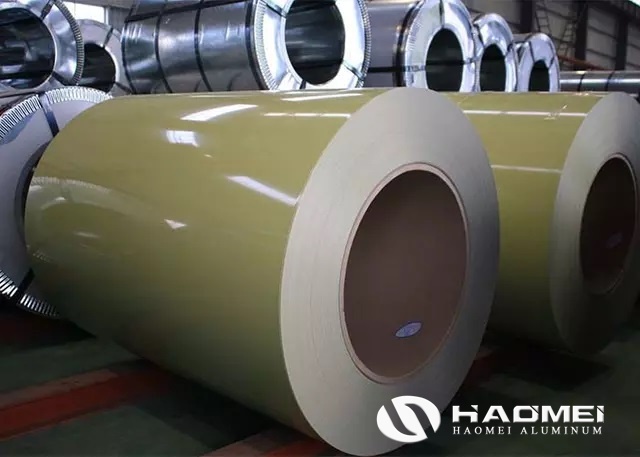
What powder coating is (and why it matters for sheet metal)
Powder coating uses electrostatic application of dry powder (typically polyester, polyurethane, epoxy, or hybrid systems) followed by curing to form a continuous film. Compared with many liquid paint systems, powder coatings are known for higher film build in one pass, good edge coverage, and reduced solvent emissions.
For sheet metal, the key is balance: you want enough coating thickness for protection, but not so much that it cracks during bending or causes fit issues on tight tolerances.
Main specifications you should confirm
Different projects emphasize different metrics, but these are the specifications that consistently control outcomes in fabrication and installation.
1) Substrate alloy, temper, and thickness
Common alloys: AA3003, AA5052, AA6061 (selection depends on formability, corrosion resistance, and strength requirements).
Tempers: H14/H24 for forming; T6 for strength-oriented components (with less formability).
Thickness range: typically 0.8–3.0 mm for panels and enclosures, but can be lighter for trims or heavier for base plates.
2) Surface pretreatment (the hidden performance driver)
In day-to-day production, coating failures are more often tied to pretreatment than powder quality. Reliable systems usually include:
Degreasing/cleaning
Conversion coating (chromate or chrome-free)
Rinsing and controlled drying
Pretreatment directly affects adhesion, corrosion resistance, and filiform corrosion behavior on edges and cut-outs.
3) Coating type and performance class
Polyester (TGIC or TGIC-free): the most common choice for exterior durability and color stability.
Super-durable polyester: better gloss retention and UV stability for demanding architecture.
Epoxy or epoxy-polyester: strong chemical resistance and adhesion; usually interior due to chalking in UV.
If you source finished material rather than coating in-house, specifying the coating family and expected outdoor durability class avoids "looks the same but ages differently" surprises.
4) Coating thickness and appearance
Typical film thickness: 60–120 μm depending on product and environment.
Gloss: matte, satin, gloss options; gloss level can impact perceived shade variation.
Texture: smooth, fine texture, sand texture, wrinkle, metallic.
From experience, texture coatings can hide minor substrate defects and handling marks better, while smooth high-gloss finishes demand stricter protection and cleaner fabrication.
5) Mechanical and corrosion performance indicators
Common acceptance criteria include:
Adhesion: cross-hatch/cut test (no flaking).
Impact resistance: resists cracking or delamination.
Bend/T-bend: confirms post-forming integrity.
Salt spray / humidity: validates pretreatment + coating system.
Key features that fabricators and buyers care about
Consistent finish on complex geometries
Powder naturally builds a robust film, which helps on edges and perforations. For sheet metal with punched holes, louvers, or CNC cut patterns, this can be a major advantage.
Toughness for handling and export logistics
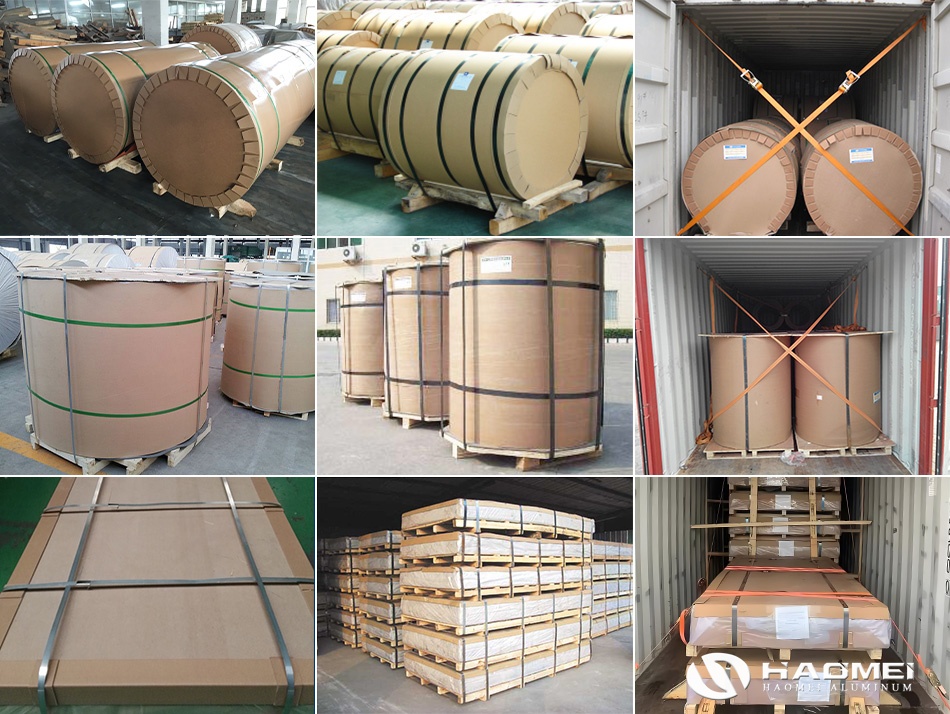
Powder coated aluminum sheet metal typically offers improved scratch resistance compared with many thin liquid coatings. That said, packaging still matters: interleaf, corner protection, and controlled strapping tension reduce transit marks.
Color flexibility with stable batch control
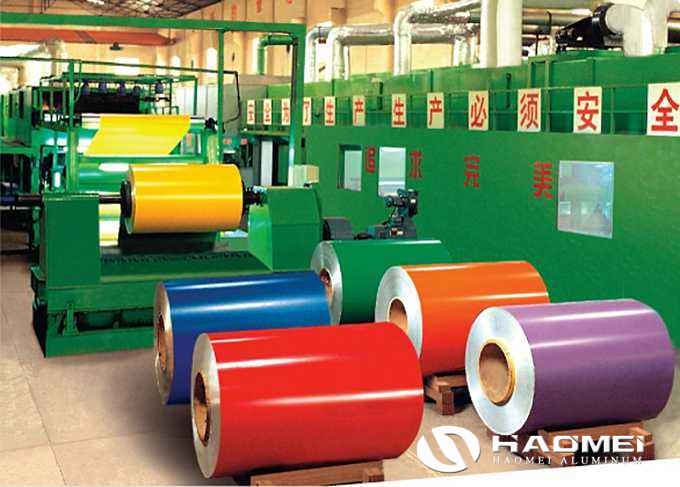
In export supply, color consistency across batches is a real KPI. A mature process controls powder batch, curing profile, line speed, and metal temperature so the same code stays visually stable across production lots.
Advantages compared with other finishing routes
1) Strong exterior durability (with the right system)
For outdoor applications, super-durable polyester powder coatings can deliver long-term color and gloss retention, especially on facades, rainscreens, canopies, and outdoor enclosures.
2) Efficient coverage and less waste
Powder overspray can often be reclaimed in controlled systems, improving material utilization. This is attractive for high-volume programs and repeat SKUs.
3) A cleaner compliance profile
Because powders contain minimal solvents, they help reduce VOC-related compliance burdens. Many buyers now treat this as part of their supplier qualification checklist.
Where powder coated aluminum sheet metal performs best
Architectural and building products
Curtain wall trims, soffits, fascia
Perforated decorative panels
Rainscreen and cladding components
Doors, frames, louvers (when design tolerances match the coating build)
If your project requires a controlled, production-ready finish, our Powder Coated Sheet Metal programs are designed around stable curing, repeatable color control, and packing suitable for export handling.
Industrial equipment and enclosures
Electrical cabinets and housings
HVAC panels and covers
Machine guarding
Powder coating is especially suitable when you need a tough surface that resists abrasion from routine maintenance.
Transportation and general fabrication
Interior panels and trims
Toolboxes and protective covers
For fabricated assemblies, plan the process route early: whether you coat flat sheets then form, or fabricate first then coat. Each route has trade-offs in edge protection, cosmetic tolerance, and cost.
Practical insights from production: how to specify it correctly
Define the environment (interior, exterior, coastal, industrial fallout). Your corrosion and UV requirements should drive pretreatment and powder system.
Call out color standard and tolerance (RAL, Pantone, custom sample) and confirm gloss. Two "same colors" can look different under different gloss levels.
Agree on forming requirements (minimum bend radius, T-bend target). If the design includes tight bends, prioritize ductile coating formulations and stable curing.
Protect the surface through fabrication: use clean gloves, proper film protection if needed, and avoid sliding stacked sheets.
If you are evaluating suppliers for repeat production, it helps to review not only test reports but also their process controls and packaging method. Our Powder Coated Aluminium Suppliers service approach focuses on consistent export quality: stable coating parameters, inspection records, and packing that arrives clean at the jobsite.
Powder coated aluminum sheet metal delivers a strong mix of appearance, durability, and manufacturability when the substrate, pretreatment, powder chemistry, and curing profile are matched to the project's real conditions. For buyers and fabricators, the best results come from specifying performance targets up front and treating coating as a system, not just a color.
ABOUT US
PRODUCTS
APPLICATION
CONTACT US
Mobile: +86-18137889531 (same number on WeChat)
Phone: +86-371-65621391
Email: nydia@aluminumhm.com
No.14 Waihuan Road, CBD,
Zhengzhou, China


Copyright © 2026 Haomei Aluminum CO., LTD.