
nydia@aluminumhm.com

News
Haomei Aluminum CO., LTD.
Mastic Coil
Mastic coil is a practical and market-driven aluminum coil product widely used where clean surface appearance, weather resistance, formability, and reliable service life are required. In my experience in the aluminum market, buyers often focus first on color and price, but long-term performance depends much more on the right alloy, temper, coating system, thickness tolerance, and fabrication behavior. A well-made mastic coil should not only look good when it leaves the warehouse, but also perform consistently after bending, cutting, roll-forming, and outdoor exposure.
For manufacturers, distributors, and project buyers, understanding the technical structure behind mastic coil helps reduce complaints, avoid over-specification, and control procurement cost more effectively. This is especially important when aluminum prices fluctuate and every decision on alloy and coating can affect both budget and field performance.
What Is Mastic Coil?
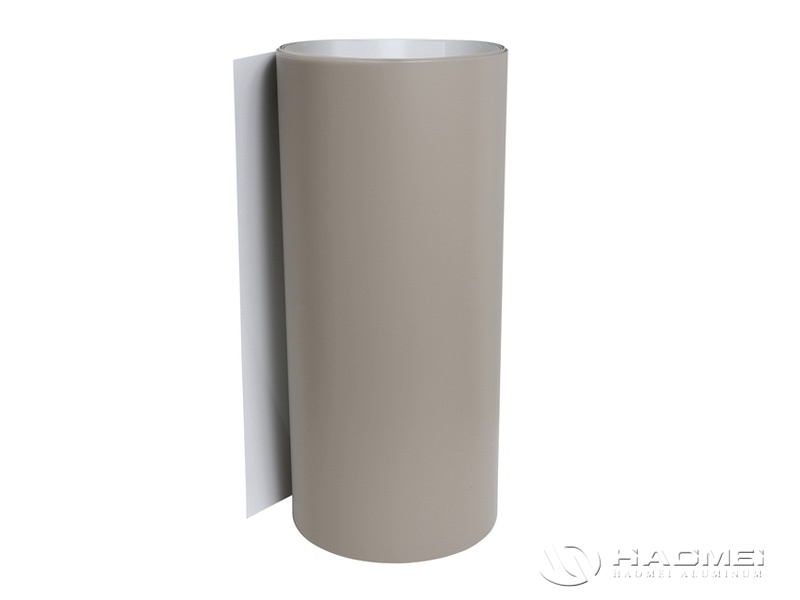
Mastic coil generally refers to coated aluminum coil supplied for trim, facing, wrapping, protective finishing, and related exterior or semi-exterior applications. In many practical markets, it overlaps with trim coil and coil stock products, especially where the material must combine decorative value with workability.
A quality mastic coil product is expected to offer:
Stable mechanical properties
Smooth and uniform painted surface
Good bendability without severe cracking
Reliable corrosion resistance
Consistent color from batch to batch
Strong adhesion between coating and substrate
In product planning, I usually advise customers not to treat mastic coil as a simple commodity. Two coils may look similar on the surface, yet differ greatly in coating thickness, paint chemistry, substrate flatness, yield strength, and edge quality.
Common Alloys Used for Mastic Coil
The most common substrate alloys for mastic coil are from the 1xxx and 3xxx series, with 3105 being one of the most widely accepted options in coated architectural coil applications.
1. Alloy 1100
1100 aluminum offers high purity, excellent formability, and good corrosion resistance. It is soft and easy to fabricate, making it suitable for applications where deep forming or easy bending is important. However, its strength is lower than 3xxx series alloys, so it is not always the first choice where additional rigidity is needed.
2. Alloy 3003
3003 is a manganese-containing alloy with balanced strength and formability. It performs well in general fabrication and provides dependable corrosion resistance. For many standard coil uses, 3003 remains a cost-effective and versatile grade.
3. Alloy 3105
3105 is, in my view, one of the most commercially sensible alloys for painted mastic coil. It offers better strength than 1100 while maintaining very good workability and corrosion resistance. It is especially suitable for exterior trim and facing products, where installers need a material that bends cleanly but still holds shape well after fabrication.
Typical Alloy Comparison
| Alloy | Main Feature | Strength Level | Formability | Corrosion Resistance | Typical Use |
|---|---|---|---|---|---|
| 1100 | High purity, soft | Low | Excellent | Excellent | Light-duty formed parts |
| 3003 | Balanced performance | Medium | Very good | Very good | General coated coil |
| 3105 | Better rigidity for trim use | Medium to medium-high | Very good | Very good | Architectural and trim coil |
For many customers comparing value and performance, Aluminum Trim Coil made from 3105 is often the most practical direction.
Tempers Commonly Supplied
Temper selection directly affects bendability, spring-back, and finished appearance. The most common tempers for mastic coil include H14, H24, and sometimes H44 depending on the application and required stiffness.
H14
H14 is a half-hard temper. It provides a good balance between strength and formability. This temper is widely used where fabricators need to brake-bend the material without excessive softness.
H24
H24 is strain-hardened and partially annealed. Compared with H14, it often gives slightly improved forming behavior in painted applications, especially where clean edge wrapping and reduced cracking risk are priorities.
H44
H44 is used where higher hardness and better dent resistance are desired. It can be useful in some specialized trim or cladding applications, but if tight bending is required, the coating system and bend radius must be checked carefully.
From practical sales experience, choosing the wrong temper causes more field issues than many buyers expect. If the material is too soft, it may deform during handling. If it is too hard, paint cracking during fabrication becomes a real concern.
Key Properties of Mastic Coil
1. Corrosion Resistance
Aluminum naturally forms a protective oxide layer, which already gives it an advantage over many other metals. When combined with a high-quality paint or organic coating, mastic coil performs well in humid, rainy, and moderately industrial environments.
2. Excellent Formability
A good mastic coil product should bend smoothly in common shop fabrication. This is especially important for fascia, soffit edges, window wraps, and corner details.
3. Surface Quality
Surface consistency matters greatly in visible architectural applications. Customers now pay close attention to gloss stability, color matching, and resistance to waviness or roller marks.
4. Lightweight but Strong Enough
Compared with heavier metals, aluminum coil is easier to transport, handle, and install. This directly reduces labor fatigue and can improve installation efficiency on site.
5. Coating Durability
The coating system often determines whether a coil remains attractive after years of weathering. Polyester systems are common for economical use, while higher-end systems may be selected for tougher service environments.
Main Advantages of Choosing Mastic Coil
Cost Efficiency in Real Projects
When I assess product competitiveness, I look not only at the price per ton, but at the total installed value. Mastic coil gives buyers a useful combination of low weight, easy fabrication, broad color options, and relatively low maintenance. That mix is hard to beat in many exterior trim applications.
Better Fabrication Flexibility
Mastic coil can be slit, bent, folded, stamped, and cut to fit project needs. This flexibility supports both high-volume production and custom fabrication shops.
Attractive Decorative Effect
Modern building envelopes demand neat lines and durable finishes. Mastic coil is available in solid colors, textured finishes, matte appearances, and wood-grain-inspired surfaces depending on the coating line capability.
Reliable Supply Versatility
Standard dimensions are widely available, but many buyers also request custom widths and lengths. Products such as Aluminum Trim Coil 24 x 50 are especially popular because they match common field fabrication requirements.
Typical Specifications Buyers Often Request
Below is a practical overview of standard market specifications:
| Item | Common Range |
|---|---|
| Alloy | 1100, 3003, 3105 |
| Temper | H14, H24, H44 |
| Thickness | 0.019 in to 0.032 in |
| Width | 12 in to 24 in and custom |
| Finish | Polyester, SMP, textured, PVC film |
| Color | White, black, brown, gray, custom colors |
| Coil ID | Common commercial standards |
These specifications should always be aligned with the forming method, exposure environment, and end-use expectations.
Applications of Mastic Coil
Mastic coil serves a broad range of applications, especially in light construction and architectural finishing.
Exterior Trim and Wrapping
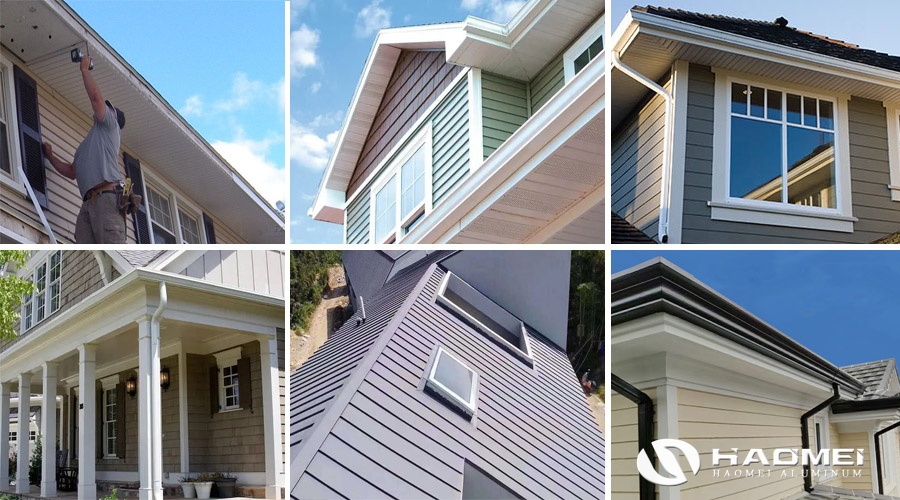
It is commonly used for door trim, window trim, fascia covering, rake boards, column wraps, and decorative edge finishing. In these uses, formability and color retention are critical.
Siding and Cladding Support Components
Mastic coil can be fabricated into protective and decorative accessory parts for siding systems, roof edge details, and wall transitions.
Renovation and Maintenance Projects
Contractors often choose it for retrofit work because it can cover aging wood trim and reduce future maintenance. This has become increasingly attractive in labor-sensitive markets where repainting costs continue to rise.
Light Industrial and Utility Uses
Some customers also use mastic coil in equipment casings, protective facings, and light-gauge formed parts where corrosion resistance and finish quality are both needed.
What Experienced Buyers Should Watch Closely
From a market perspective, the best purchasing decisions come from checking the full specification sheet, not just the quoted number. I recommend paying special attention to the following points:
Actual base alloy, not generic "aluminum coil" wording
Temper suitability for bending radius
Paint brand and coating thickness
Color consistency between lots
Edge condition and coil winding quality
Protective film performance during transport and fabrication
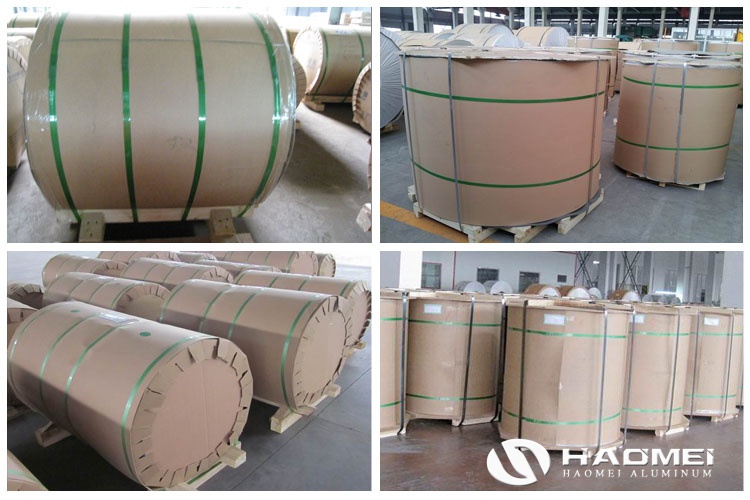
Packaging strength for container shipment
In periods of volatile aluminum pricing, some suppliers lower cost by reducing coating weight, relaxing tolerances, or substituting softer standards. That may help the invoice look attractive, but it usually leads to downstream complaints. Serious buyers know that stable quality saves far more than a small initial discount.
A Practical Selection Approach
If the project needs easy fabrication and economical performance, 3003 or 3105 in H14 or H24 is usually a safe starting point. If the material will be exposed outdoors for years, a dependable coating system becomes just as important as alloy choice. If the application involves visible architectural trim, appearance control, gloss consistency, and batch color management should be treated as key quality criteria.
Professionally speaking, mastic coil is not just a decorative aluminum product. It is a functional material that must balance fabrication behavior, coating life, appearance, and cost control. When those factors are matched properly, the product performs smoothly in both distribution and end-use environments, which is exactly what the market rewards over time.
ABOUT US
PRODUCTS
APPLICATION
CONTACT US
Mobile: +86-18137889531 (same number on WeChat)
Phone: +86-371-65621391
Email: nydia@aluminumhm.com
No.14 Waihuan Road, CBD,
Zhengzhou, China


Copyright © 2026 Haomei Aluminum CO., LTD.