
nydia@aluminumhm.com

News
Haomei Aluminum CO., LTD.
Aluminum Trim Stock
Aluminum trim stock is a widely used finishing material for exterior cladding, soffits, fascia, window surrounds, and roofing edge details. For contractors, distributors, and manufacturers, selecting the right aluminum trim stock is not only about color and gauge, but also about alloy choice, coating durability, formability, corrosion resistance, and supply consistency. In export markets, these factors directly affect installation efficiency, service life, and claims risk.
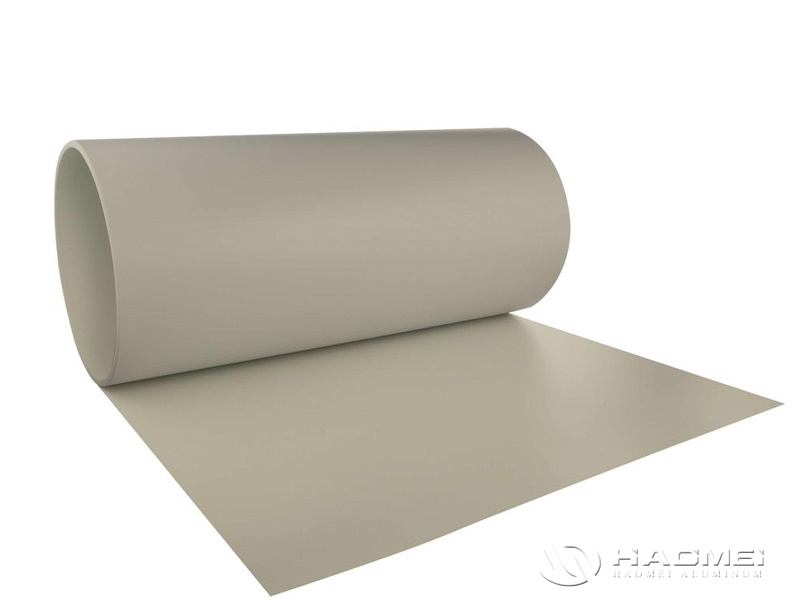
Why aluminum trim stock remains a preferred exterior finishing material
In modern construction, aluminum trim stock offers a practical balance between low weight, workability, and weather resistance. Compared with heavier metal alternatives, it is easier to transport, cut, bend, and brake-form on site. Compared with some plastic-based trims, aluminum trim stock generally delivers better dimensional stability in demanding climates, especially where temperature fluctuation, UV exposure, and moisture are constant concerns.
Another reason the market continues to favor aluminum trim stock is finish flexibility. Builders and distributors can source smooth, textured, matte, gloss, or wood-look surfaces in a broad range of architectural colors. This makes it suitable for residential remodeling, light commercial facades, mobile housing, and prefabricated building systems.
From a sourcing perspective, buyers often evaluate Aluminum Trim Coil options alongside flat sheet requirements, because coil-based supply improves fabrication efficiency and reduces waste in repetitive trim applications.
Key technical specifications of aluminum trim stock
When specifying aluminum trim stock, technical details matter more than many buyers initially assume. Product performance on the jobsite is heavily influenced by the following factors.
Alloy and temper selection for aluminum trim stock
Most aluminum trim stock used in architectural applications is produced with alloys designed for good formability and adequate strength. The correct alloy-temper combination allows fabricators to bend hems, channels, fascia wraps, and drip edges without excessive cracking or springback. If the material is too hard, edge splitting may occur during brake forming. If it is too soft, the finished trim may lack shape retention.
For export buyers, it is wise to confirm not only nominal alloy grade but also actual forming behavior under intended fabrication conditions.
Thickness and width tolerances
Aluminum trim stock is commonly supplied in practical gauges suited to exterior wrapping and light flashing work. Thickness consistency is critical because uneven gauge can affect bending precision, panel fit, and visual appearance after installation. Width tolerance is equally important for automated slitting, stocking, and downstream fabrication.
Many distributors also request standard market sizes such as Aluminum Trim Coil 24 x 50 for common trim and brake-forming applications, since standardized dimensions simplify inventory planning and resale.
Coating system and paint performance
The coating is one of the most important quality indicators for aluminum trim stock. Polyester systems may be sufficient for cost-sensitive or lower-exposure applications, while SMP or PVDF-based systems are often preferred where long-term color retention, chalk resistance, and UV stability are priorities.
Technical buyers should verify:
Top coat and back coat thickness
Gloss range and color tolerance
Adhesion performance after bending
Resistance to cracking at specified bend radii
Salt spray and humidity test performance
UV weathering data for the intended market
A durable coating system reduces repainting risk and helps maintain a consistent architectural finish over time.
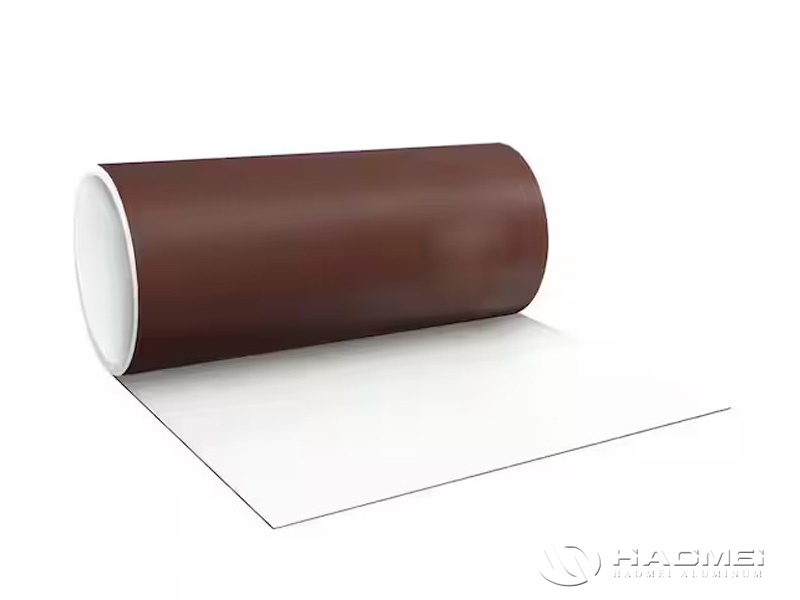
Fabrication and installation considerations for aluminum trim stock
Even high-quality aluminum trim stock can underperform if fabrication parameters are ignored. Installers and resellers should understand how the material behaves during cutting, folding, hemming, and fastening.
Formability and brake performance
A good aluminum trim stock product should allow clean bends with minimal paint fracture. This depends on substrate ductility, coating flexibility, and proper storage before use. Material exposed to poor warehousing conditions may accumulate moisture, dirt, or surface damage that affects forming quality.
In colder regions, contractors should also consider ambient temperature during bending. Some coatings become less flexible in low temperatures, which may increase the risk of micro-cracking if the trim is formed too aggressively.
Corrosion compatibility
Aluminum trim stock performs well in many outdoor environments, but galvanic compatibility still matters. Contact with dissimilar metals, trapped moisture, alkaline runoff, or chemically treated wood can accelerate corrosion. This is especially relevant in coastal zones and industrial areas.
Best practice includes using compatible fasteners, controlling water drainage, and avoiding direct contact with corrosive construction residues.
Color matching across building components
For distributors serving siding, soffit, fascia, and rainwater system markets, color consistency is a major selling point. Aluminum trim stock should match or complement adjacent cladding products within an acceptable production tolerance. Reliable suppliers maintain strict batch control, coating calibration, and repeatable color management.
This is particularly important for long project cycles where repeat orders are common and visual variation can lead to customer complaints.
Common applications and market demand for aluminum trim stock
Aluminum trim stock has broad use across residential and light commercial sectors. Demand tends to rise with remodeling activity, siding replacement, roofing upgrades, and energy-efficiency retrofits.
Typical applications include:
Window and door capping
Fascia and rake trim wrapping
Soffit edge details
Garage door frame finishing
Roof edge and flashing support pieces
Decorative exterior accents
Because aluminum trim stock can be fabricated on site, contractors value it for custom work where exact dimensions vary from one opening or facade line to another. Distributors value it because a manageable range of colors and sizes can serve a wide base of local installers.

How buyers evaluate aluminum trim stock suppliers in export trade
International buyers usually compare aluminum trim stock suppliers on more than price alone. In practical procurement, the lowest quote can become the most expensive option if coating failure, packaging damage, or dimensional inconsistency leads to rejection or claims.
Quality control and traceability
A dependable aluminum trim stock supplier should provide clear specifications, inspection records, and batch traceability. Buyers often request confirmation of:
Coil ID and OD range
Coating brand or coating type
Mechanical property range
Thickness measurement reports
Color sample approval process
Packaging standard for container shipment
For projects in humid or long-transit destinations, moisture-resistant export packaging is especially important.
Lead time and inventory planning
For wholesalers and building material importers, lead time reliability can be as important as technical quality. Aluminum trim stock often supports seasonal construction demand, so delayed containers can disrupt distributor inventory and local contractor schedules.
Suppliers with stable substrate sourcing, continuous coating lines, and export packing experience usually offer stronger fulfillment performance.
MOQ flexibility and color strategy
Not every market can absorb large-volume custom shades. A practical aluminum trim stock program often balances standard colors with a limited number of project-specific finishes. This helps distributors reduce dead stock while still serving regional design preferences.
Neutral colors such as white, brown, black, gray, and beige typically move faster, while specialty finishes can be produced for larger orders.
Pricing factors that influence aluminum trim stock costs
The price of aluminum trim stock is usually shaped by a combination of aluminum ingot cost, coating chemistry, paint thickness, alloy specification, order quantity, and packaging method. Ocean freight and destination duties also affect total landed cost for overseas buyers.
Key price variables include:
Base aluminum market movement
Gauge and width
Paint system grade
Smooth or textured finish
Standard or custom color
Order scale and repeat frequency
Export carton, pallet, or eye-to-sky packaging requirements
For importers, evaluating only unit price per roll can be misleading. A slightly higher-grade aluminum trim stock may offer better yield, lower forming scrap, fewer installation issues, and stronger resale confidence.
Practical sourcing advice for distributors and contractors
When purchasing aluminum trim stock, buyers should request samples, verify coating performance, and align product selection with local climate and installation practice. Coastal markets may require stronger corrosion and fade resistance than inland regions. High-sunlight regions may justify premium paint systems. Cold-weather markets may prioritize coating flexibility during fabrication.
It is also useful to confirm whether the supplier supports custom slit widths, protective film options, embossed finishes, or branded packaging. These details can improve local market positioning without turning the product into an overt commodity.
For distributors building a private-label program, aluminum trim stock should be selected with repeatability in mind. Stable color, consistent gauge, and dependable packaging are the foundation of long-term customer retention.
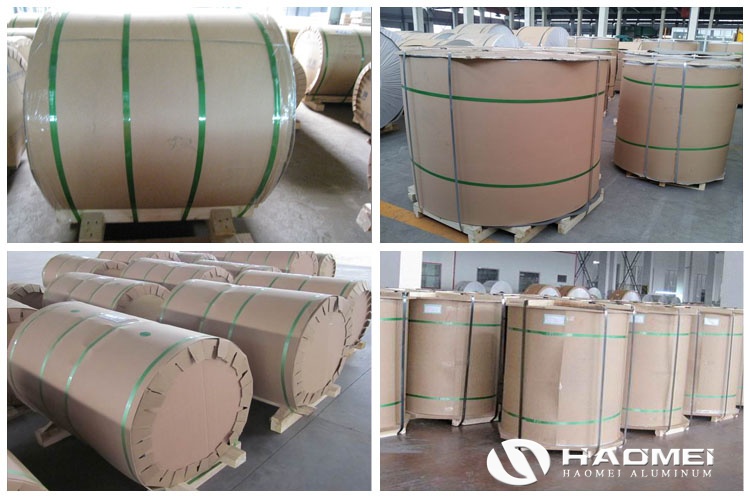
Market outlook for aluminum trim stock
Current market demand for aluminum trim stock remains tied to renovation activity, weather-resistant exterior systems, and the global shift toward low-maintenance building materials. In many regions, builders are looking for products that combine clean appearance with efficient installation and predictable life-cycle cost. That supports continued demand for coated aluminum solutions.
At the same time, buyers are becoming more technical. They increasingly ask for coating data, alloy details, and application guidance rather than accepting a basic color card and price sheet. This trend favors suppliers that can provide both manufacturing consistency and technical communication.
For companies serving export channels, aluminum trim stock is no longer just a simple accessory product. It is part of a broader exterior envelope solution where finish performance, fabrication behavior, and delivery reliability all influence market success. Buyers that assess these factors carefully are better positioned to reduce complaints, improve resale confidence, and build lasting supply relationships.
ABOUT US
PRODUCTS
APPLICATION
CONTACT US
Mobile: +86-18137889531 (same number on WeChat)
Phone: +86-371-65621391
Email: nydia@aluminumhm.com
No.14 Waihuan Road, CBD,
Zhengzhou, China


Copyright © 2026 Haomei Aluminum CO., LTD.