
nydia@aluminumhm.com

News
Haomei Aluminum CO., LTD.
Color Coated Aluminum Sheet Suppliers
Choosing the right color coated aluminum sheet suppliers is less about chasing a low number on a quotation and more about controlling risk: coating performance, color consistency between lots, forming behavior, and delivery stability when aluminum prices move quickly. In my day-to-day work with coil coaters and fabricators, most quality issues trace back to a mismatch between alloy/temper and the end use, or a coating system selected without respect to the local environment.
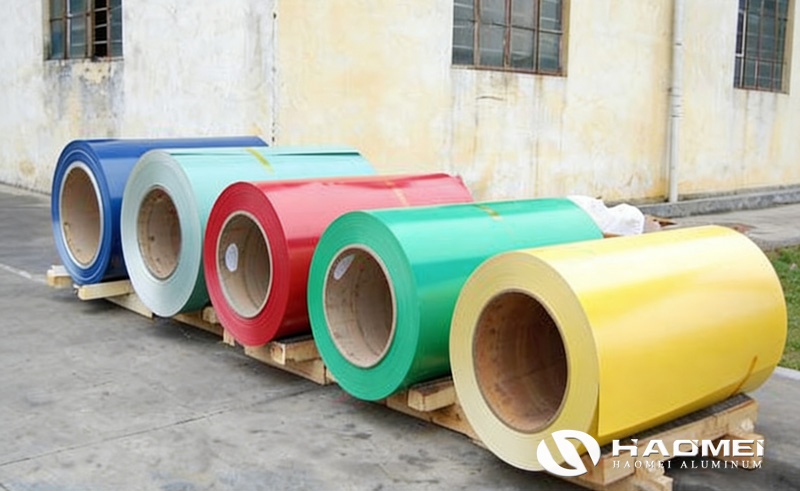
Below is a practical, product-focused introduction to what we supply, how to specify it, and where each combination performs best.
What a Color Coated Aluminum Sheet Really Is
Color coated aluminum sheet (often called prepainted or pre-coated aluminum) starts with an aluminum coil or sheet that is:
Chemically pretreated (for adhesion and corrosion resistance)
Primed (as required)
Top-coated with PE, PVDF, SMP, or other systems
Cured under controlled coil-coating conditions
That factory-controlled process delivers uniform film thickness, stable gloss, and repeatable color compared with post-painting after fabrication. If you are sourcing engineered panels, cladding, ceilings, signage, appliance skins, or formed trims, the consistency of coil coating is a major advantage.
If you are comparing product pages, our core categories include Color Coated Aluminum Coil for roll-forming and continuous lines, and Color Coated Aluminium Sheet for sheet-based fabrication and flat panel work.
Common Alloys We Supply (and Why They Matter)
Alloy selection determines strength, corrosion behavior, and forming. The most common alloys for coated sheet are in the 1xxx, 3xxx, and 5xxx series.
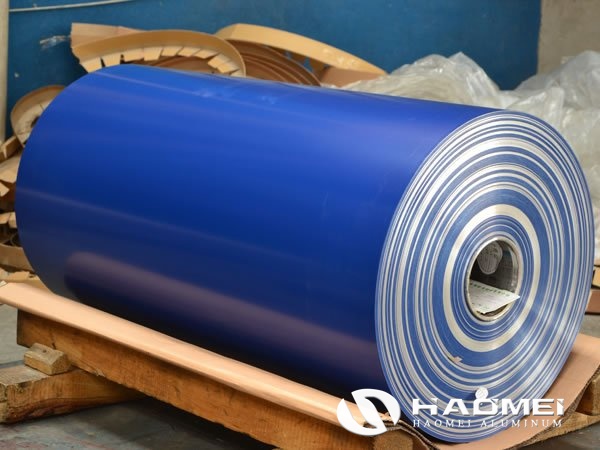
Quick alloy guide (industry-practical)
| Alloy | Family | Typical strengths | Formability | Corrosion resistance | Where I recommend it most |
|---|---|---|---|---|---|
| 1060 / 1100 | 1xxx (commercially pure) | Low | Excellent | Very good | Interior panels, signage, insulation jacketing where deep forming is light |
| 3003 | 3xxx (Mn) | Medium | Very good | Very good | General-purpose sheets, gutters, ceiling systems, trims, casings |
| 3004 | 3xxx (Mn-Mg) | Medium-high | Good | Very good | Beverage can-style forming logic, stronger formed components |
| 3105 | 3xxx (Mn-Mg) | Medium | Very good | Very good | Architectural sheet, shutters, roofing and cladding where cost/performance balance matters |
| 5052 | 5xxx (Mg) | Higher | Good | Excellent | Marine/coastal environments, higher strength needs, aggressive service |
Personal sourcing insight
When buyers tell me "we need the strongest sheet," I often ask about bend radius and forming complexity. A stronger alloy can reduce denting, but it can also raise the risk of micro-cracking at tight bends if the temper is not chosen carefully. In practice, 3003/3105 in the right temper solves most architectural work, while 5052 is reserved for genuinely corrosive or high-strength requirements.
Tempers: The Hidden Lever for Forming and Flatness
Temper affects hardness, springback, and bend performance. For coated sheet that will be formed, the temper choice is as critical as coating.
H14 / H24: Half-hard to quarter-hard ranges. Often used when you need better rigidity than soft tempers but still want reasonable forming.
H16 / H18: Harder tempers for flatter, stiffer sheet; better for panels that must stay flat, less ideal for tight bends.
O (annealed): Best for deep drawing or complex forming, but easier to dent.
A practical rule I use: if the part has tight hems, short flanges, or aggressive roll forming, stay conservative on hardness (H24 or softer) unless you have validated tooling and bend radius.
Coating Systems: PE vs PVDF (and What Customers Miss)
Coating choice is where many projects win or fail long-term.
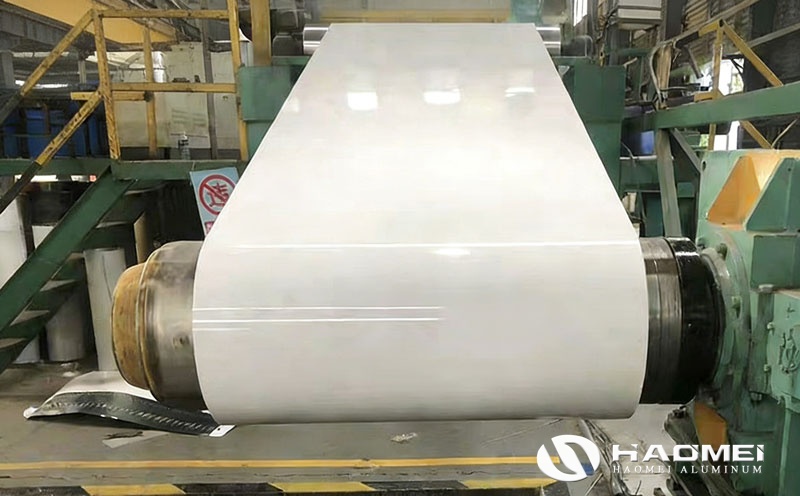
PE (Polyester)
Cost-effective, broad color range
Good for interior and moderate exterior exposure
Typical for signage, ceilings, appliance panels
PVDF (typically 70% PVDF)
Strong UV resistance, color retention, chalk resistance
Preferred for architectural exteriors, curtain wall panels, long-life cladding
Often specified where warranties and lifecycle performance matter
What I watch in specifications
Two sheets can both be labeled "PVDF," yet differ in primer chemistry, pretreatment quality, and cure control. When qualifying suppliers, I look beyond the label:
Pretreatment type and control
Coating thickness consistency (topcoat and total system)
Adhesion and bend tests (T-bend, impact)
Color tolerance policy (ΔE control between lots)
Key Properties That Drive Performance
1) Corrosion resistance
Aluminum's natural oxide layer is strong, and coatings add a barrier layer. For coastal or industrial environments, pairing a corrosion-resistant alloy (often 5052 or well-controlled 3xxx) with PVDF and proper pretreatment is the most dependable route.
2) Formability and edge behavior
Forming performance depends on alloy, temper, and coating flexibility. A high-performing coating should not crack or delaminate during bending. If your fabrication includes hemming, stamping, or roll forming, ask for validated bend data.
3) Color and gloss consistency
This is where reputable color coated aluminum sheet suppliers differentiate themselves. Consistency relies on:
Stable paint batches and controlled viscosity
Line speed and oven temperature control
Documented QC across coil length and between coils
4) Flatness and residual stress
Architectural panels punish poor flatness. Alloy/temper selection, tension leveling, and proper packaging all influence whether sheets arrive ready for fabrication.
Product Advantages (What End Users Actually Feel)
Faster fabrication: no waiting for post-paint curing
Cleaner operations: less VOC and overspray at the fabricator
Repeatable appearance: color, gloss, and texture controlled at the coater
Lightweight + strong: excellent strength-to-weight vs steel, easier handling
Recyclable substrate: aluminum remains a high-value recyclable material
Typical Applications and Best-Fit Recommendations
Building and construction
Facades, soffits, cladding, rainwater systems, louvers
Suggested combinations:
3105 H24 + PVDF for exterior cladding
3003 H24 + PE for interior ceilings and trims
Transportation and commercial equipment
Body panels, interior linings, enclosures
Suggested combinations:
5052 H32 + durable coating when dent resistance and corrosion matter
Signage and display
Channel letters, sign boards, decorative panels
Suggested combinations:
1060/3003 in softer tempers for easier forming + PE for cost efficiency
Appliances and consumer goods
Panels and covers where appearance uniformity is critical
Suggested combinations:
3003/3105 with controlled gloss and scratch-resistant options
How I Evaluate Suppliers (Practical Checklist)
If you are qualifying color coated aluminum sheet suppliers, these are the points I rely on to avoid costly downstream surprises:
Traceability: coil ID, coating batch, QC records
Coating system clarity: pretreatment, primer, topcoat type, film thickness targets
Performance tests: adhesion, impact, T-bend, salt spray where applicable
Color management: ΔE commitments and lot-to-lot controls
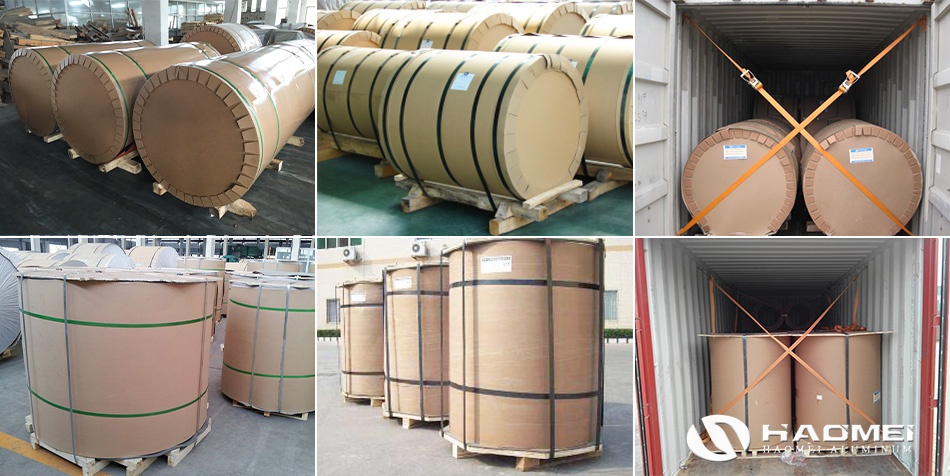
Packaging and logistics: moisture protection, edge guards, pallet integrity
Price transparency: how the quote references aluminum ingot/LME and conversion cost
From an industry pricing perspective, the most stable partnerships are the ones that separate metal price movements from coating conversion costs in a clear formula. It keeps negotiations rational when the market is volatile.
What to Send in an RFQ (So You Get Comparable Quotes)
To receive accurate, comparable offers from suppliers, specify:
Alloy and temper (example: 3105 H24)
Thickness, width, and length (or coil specs)
Coating system (PE/PVDF), single or double side, film thickness targets
Color standard (RAL/Pantone/sample), gloss level, texture requirement
Protective film requirement
Application environment (interior, coastal exterior, industrial)
Forming details if relevant (bend radius, hemming, stamping)
If you align alloy, temper, and coating with the real service conditions, coated aluminum becomes one of the most dependable, scalable materials in architectural and industrial manufacturing.
ABOUT US
PRODUCTS
APPLICATION
CONTACT US
Mobile: +86-18137889531 (same number on WeChat)
Phone: +86-371-65621391
Email: nydia@aluminumhm.com
No.14 Waihuan Road, CBD,
Zhengzhou, China


Copyright © 2026 Haomei Aluminum CO., LTD.