
nydia@aluminumhm.com

News
Haomei Aluminum CO., LTD.
Color Coated Aluminum Coil Price
When buyers ask about color coated aluminum coil price, the first instinct is often to compare quotations line by line. In real production and export practice, however, price is never just a number. It is the combined result of alloy selection, temper, coating system, paint thickness, coil dimensions, color requirements, surface quality standards, packaging method, and delivery expectations. A lower offer may look attractive at first glance, but if the coating durability, flatness, or batch consistency cannot meet the project target, the actual cost becomes much higher.
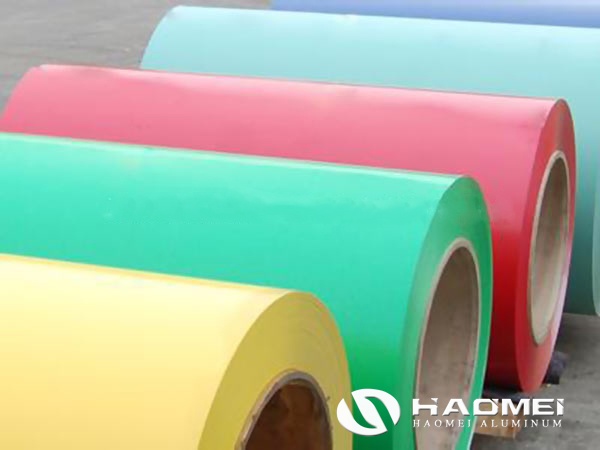
From a technical perspective, color coated aluminum coil is an aluminum substrate that has been degreased, chemically pretreated, coated with liquid paint, and cured in a continuous coil coating line. The final product combines the lightweight and corrosion resistance of aluminum with decorative and weather-resistant surface performance. For roofing, wall cladding, ceilings, rainwater systems, roller shutters, appliance panels, and signage, it remains one of the most efficient finished materials in modern fabrication.
What Determines Color Coated Aluminum Coil Price?
The market price mainly depends on two parts: aluminum base metal cost and coating conversion cost. The base metal is affected by aluminum ingot price and alloy grade. The coating conversion cost depends on paint brand, coating structure, color complexity, film thickness, line speed, and inspection standards.
In daily export business, the following factors have the clearest influence on price:
Alloy grade: 1050, 1060, 1100, 3003, 3004, 3105, and 5052 are common. Higher strength or better corrosion resistance usually means a higher cost.
Thickness: Typical finished thickness ranges from 0.2 mm to 1.5 mm. Thicker coils use more aluminum and naturally cost more.
Width: Common widths include 30 mm to 1600 mm, depending on application and production capability.
Coating type: PE is more economical, while PVDF is more durable and more expensive.
Paint thickness: A standard top coating may be 15-25 microns, while high-weather-resistance systems may require more.
Color and finish: Solid colors are usually more cost-effective than metallic, matt, brushed, wood grain, stone grain, or custom-matched colors.
Order quantity: Large-volume repeat orders usually achieve better pricing stability.
Packaging and logistics: Export seaworthy packing, eye-to-wall or eye-to-sky orientation, and reinforced pallets all affect the final quotation.
For buyers comparing products, it is more meaningful to evaluate the full specification than to ask for the cheapest ton price.
Main Specifications Buyers Should Confirm
A professional inquiry for Color Coated Aluminum Coil should clearly define the following items:
Alloy: 1060, 1100, 3003, 3004, 3105, 5052
Temper: H14, H16, H24, or as required
Thickness: 0.2-1.5 mm commonly used
Width: custom slit or mill width
Inner diameter: usually 405 mm or 505 mm
Coating system: PE, SMP, HDP, or PVDF
Coating thickness: top coat and back coat separately specified
Color: RAL color, customer sample, or custom pattern
Surface finish: gloss, matt, embossed, brushed, wood grain, stone grain
Mechanical properties: tensile strength and elongation if fabrication is involved
Protective film: with or without film
Packing: standard export seaworthy packing
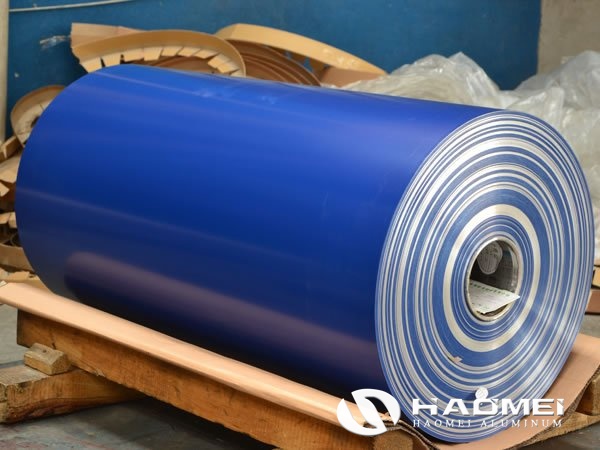
Among these, alloy and coating system are especially important. For example, 3003 and 3004 are widely used in architectural panels because of their balanced formability and corrosion resistance. 5052 is often chosen when stronger mechanical performance is required. 1060 may be preferred for applications where high purity and excellent workability are important.
Coating Systems and Performance Differences
Two mainstream coating systems dominate the market: PE and PVDF.
PE coated aluminum coil is widely used for indoor decoration, advertising boards, ceiling systems, and general industrial panels. It offers good flexibility, attractive color appearance, and competitive cost performance.
PVDF coated aluminum coil is preferred for exterior building envelopes, curtain walls, roofing, facades, and projects exposed to strong UV, humidity, or industrial pollution. Its weather resistance, chalk resistance, and color retention are significantly better in long-term outdoor service.
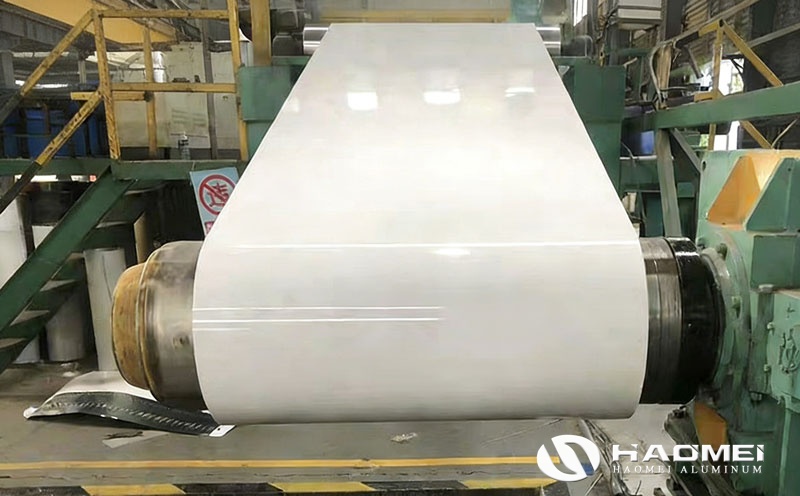
In practical terms, choosing the wrong coating system is one of the most common reasons behind customer complaints. A low-cost indoor-grade product cannot be expected to deliver the same outdoor lifespan as a premium PVDF system. This is why technical matching matters more than simply pushing down the quotation.
Core Advantages of Color Coated Aluminum Coil
From my experience in production and export, the real value of color coated aluminum coil lies in stable processing performance and long-term appearance control.
1. Lightweight but strong enough
Aluminum has a much lower density than steel, which reduces structural load and makes transportation and installation easier.
2. Excellent corrosion resistance
The aluminum substrate already has natural corrosion resistance, and the coating system provides an additional protective barrier.
3. Good formability
A well-produced Color Coated Aluminum coil can be bent, roll formed, stamped, and profiled without serious paint cracking when the right alloy and temper are selected.
4. Rich decorative effect
Solid colors, metallic tones, high gloss, matt finishes, wood grain, and stone patterns allow the material to serve both functional and aesthetic goals.
5. High production efficiency
Coils are suitable for continuous fabrication, which improves productivity and reduces downstream processing cost.
6. Long service life with proper specification
When the substrate, pretreatment, and coating are properly matched to the environment, the final product delivers reliable outdoor durability.
Applicable Scenarios
Color coated aluminum coil is used across a wide range of industries:
Roofing and wall cladding
Curtain wall panels and facade systems
Aluminum ceilings and partition panels
Rain gutters and downspouts
Roller shutters and garage doors
Home appliance outer panels
Signboards and advertising materials
Cold room and insulation panel facing
Transportation interior trim
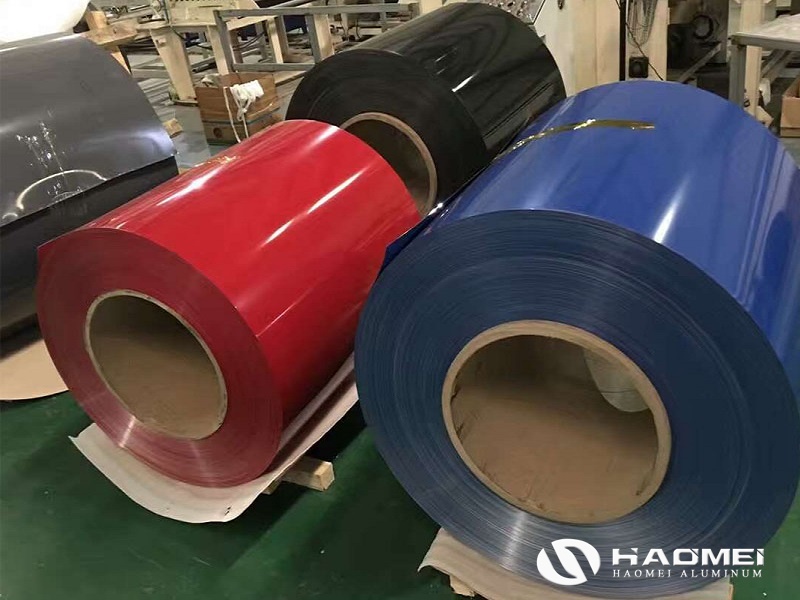
For coastal projects, industrial zones, or high-UV regions, I usually recommend paying more attention to alloy selection, pretreatment quality, and PVDF coating performance rather than focusing only on initial purchase price. For indoor decorative use, PE systems often provide a more cost-effective balance.
A reliable supplier does more than quote a number. They control color difference between batches, monitor coating adhesion and pencil hardness, verify T-bend and impact resistance, and ensure packing is suitable for long-distance export. These details may not always appear in the first email, but they have a direct effect on yield, installation efficiency, and customer satisfaction.
When evaluating color coated aluminum coil price, the smartest approach is to compare not just cost per ton, but the full technical value behind the coil. That is where product quality, manufacturing discipline, and long-term project performance begin to show their true advantage.
ABOUT US
PRODUCTS
APPLICATION
CONTACT US
Mobile: +86-18137889531 (same number on WeChat)
Phone: +86-371-65621391
Email: nydia@aluminumhm.com
No.14 Waihuan Road, CBD,
Zhengzhou, China


Copyright © 2026 Haomei Aluminum CO., LTD.