
nydia@aluminumhm.com

News
Haomei Aluminum CO., LTD.
Coated Aluminum Sheet Factory
A coated aluminum sheet factory is more than a place that applies paint. In practice, we're engineering a multi-layer system: a consistent aluminum substrate, a stable pretreatment, and a coating designed to survive forming, weather, and chemical exposure. When customers ask me what matters most, I usually answer with three words: substrate discipline, coating chemistry, and process control. Get those right and the sheet behaves predictably on the roll former, brake press, or panel line-and it keeps its color and gloss in service.
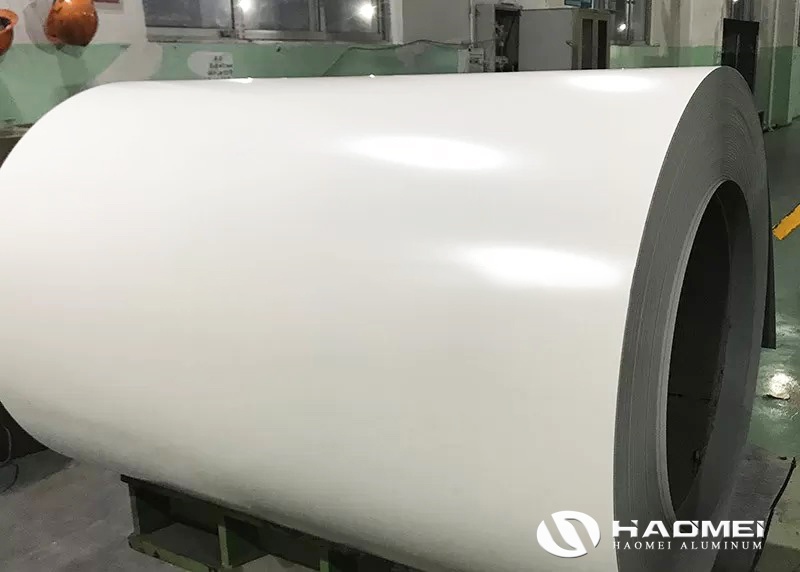
What we manufacture: coated sheet built on the right aluminum substrate
Coated aluminum sheet is typically produced by coil coating (continuous line) or sheet coating (batch). In most building and industrial markets, coil coating dominates because it delivers uniform film thickness, controlled curing, and repeatable surface quality. Many buyers source by finished color alone; experienced buyers source by alloy + temper + coating system + film build + pretreatment.
If you are comparing suppliers, ask for:
Substrate origin and temper certification
Coating type (PE, SMP, PVDF) and resin brand if specified
Pretreatment type (chrome-free conversion preferred in many regions)
Film thickness, gloss range, pencil hardness, T-bend, and impact results
For product pages with typical specifications, see our Color Coated Aluminum range and Coated Aluminum Coil options.
Common alloys we run (and why they matter)
Selecting an alloy is not just about strength-it's about formability, flatness behavior, corrosion resistance, and how the surface responds to pretreatment.
| Alloy series | Typical grades | Key strengths in coated sheet | Typical uses |
|---|---|---|---|
| 1xxx | 1050, 1060, 1100 | Excellent formability and conductivity, very clean surface | Decorative sheet, lighting, reflective applications with appropriate coating |
| 3xxx | 3003, 3004, 3105 | Balanced strength/formability, good corrosion resistance, stable for roll forming | Roofing, wall cladding, ceiling systems, shutters |
| 5xxx | 5052, 5005 | Higher strength, excellent marine/industrial corrosion resistance | Coastal architecture, transportation panels, equipment housings |
| 8xxx | 8011 (specific markets) | Specialized performance depending on supply chain | Certain industrial segments, packaging-related applications |
From my experience, 3003 and 3105 are the workhorses for architectural coated sheet: they form cleanly, resist denting better than 1xxx, and hold flatness well when the coil coating line is tuned correctly.
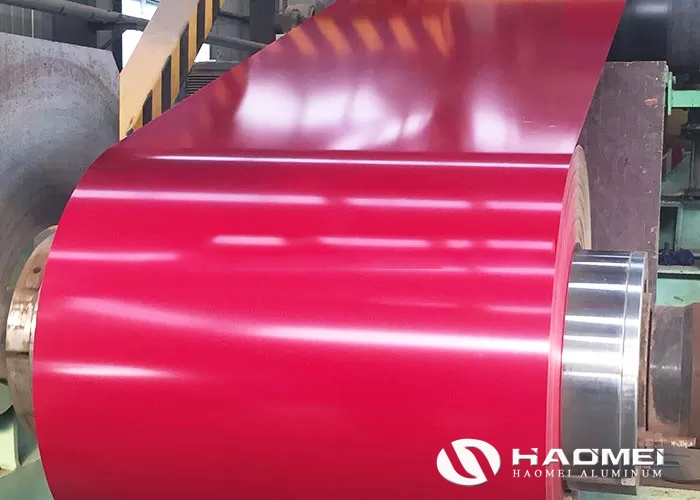
Tempers: matching forming needs to performance
Temper choice controls yield strength, bendability, and springback. In coated products, it also influences cracking risk at bends (especially at low temperature or tight radii).
O (annealed): best deep draw and tight bending; used where severe forming is required.
H14 / H24: common for general forming and roll forming; good balance of stiffness and formability.
H16 / H18: higher stiffness; suitable for flatter panels and less aggressive forming.
A practical note from the line: if a customer wants "harder so it stays flat," I ask how tight the edge folds and hems are. Many failures attributed to "paint quality" are actually a temper mismatch causing micro-cracks at the bend that later show as corrosion staining.
Coating systems we recommend (PE vs PVDF)
Most coated aluminum sheet is specified by resin system and film build. The substrate protects against denting and provides base corrosion resistance; the coating provides UV stability, color retention, and chemical resistance.
PE (Polyester)
PE is cost-effective and versatile.
Good color range and smooth appearance
Suitable for interior, signage, and general exterior (depending on climate)
Easier to achieve high gloss finishes
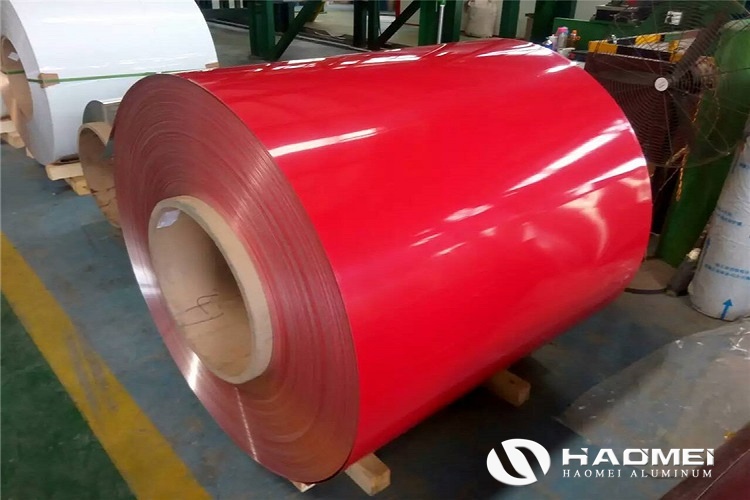
PVDF (typically 70% PVDF resin)
PVDF is the premium choice for architectural exteriors.
Excellent UV resistance and color retention
Strong chemical and chalking resistance
Proven performance in high-sun, coastal, and industrial zones
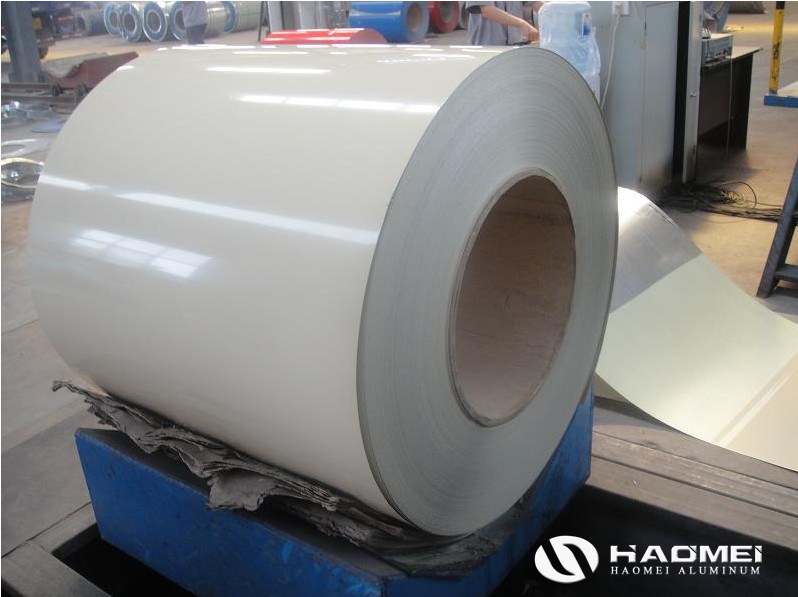
In the markets I watch closely, PVDF demand rises when project owners prioritize lifecycle cost over initial material cost-often after they've seen early chalking on lower-grade coatings.
Performance properties that matter in real production
A professional coated aluminum sheet factory tracks measurable properties, not just appearance.
Mechanical and forming
T-bend: critical for folded edges, trims, and flashings
Impact resistance: helps avoid cracking during handling and installation
Pencil hardness: relates to scratch resistance (not the only indicator)
Corrosion protection
Pretreatment quality determines adhesion and corrosion creep resistance
Salt spray performance depends on edge protection and coating continuity
Optical stability
Color difference control (ΔE) from batch to batch
Gloss retention and chalking resistance, especially for PVDF and high-durability systems
Dimensional quality
Flatness and residual stress control to prevent oil canning
Consistent gauge and coating thickness for predictable forming
Advantages of coated aluminum sheet (from a buyer's perspective)
Low weight, high coverage efficiency: aluminum reduces structural load and installation labor.
Corrosion resistance: strong baseline resistance, enhanced by pretreatment and coating.
Design flexibility: wide color palette, metallics, mattes, textured finishes.
Manufacturing efficiency: coil-coated material shortens downstream paint steps and reduces VOC exposure in fabrication shops.
Recyclability: aluminum retains value and is widely recycled.
Applications we supply most often
Different industries demand different combinations of alloy, temper, and coating system.
Building envelope: roofing sheets, wall cladding, composite panel skins, soffits, rainwater systems.
Interior systems: ceiling tiles, partitions, decorative panels where cleanliness and appearance matter.
Appliances and equipment: housings, panels, enclosures requiring scratch resistance and consistent color.
Transportation and trailers: side panels and trims where weight reduction is valuable.
Signage and display: flat sheet for printing, forming, and long-term color stability.
When specifying exterior cladding, I typically steer customers toward 3xxx or 5xxx substrates with PVDF where UV and salt exposure are high; for interior or short-cycle products, PE on 3003/3105 is often the best cost-performance fit.
What to check when qualifying a coated aluminum sheet factory
If you want stable supply and fewer quality claims, evaluate the factory like a process, not a sample.
Coating line capability: oven control, line speed stability, film thickness measurement.
Pretreatment and cleaning: consistent conversion coating weight and surface energy.
Quality testing: T-bend, MEK rub, crosshatch adhesion, impact, gloss, color control.
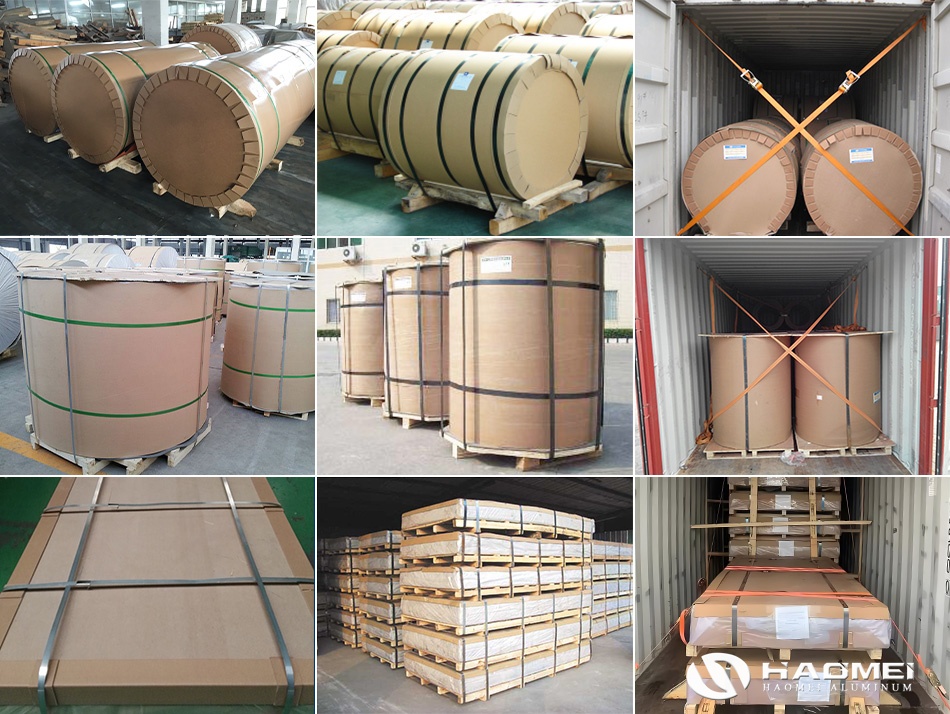
Packing and logistics: moisture control, edge protection, and coil ID/OD supports.
My selection tips based on common market mistakes
Don't specify PVDF without also specifying primer + topcoat film build and gloss tolerance; many disputes come from unclear expectations.
If a product will be roll formed with tight ribs, prioritize temper + T-bend results over nominal hardness.
For coastal projects, don't underestimate cut-edge protection-good pretreatment and appropriate primer matter as much as topcoat.
When comparing prices, align the full stack: alloy, temper, coating resin, film thickness, and warranty scope. A "cheaper" coated sheet is often just a thinner coating on a different substrate.
If you share your end-use, forming method, and exposure environment, I can recommend a practical alloy/temper/coating combination that balances durability, fabrication yield, and cost.
ABOUT US
PRODUCTS
APPLICATION
CONTACT US
Mobile: +86-18137889531 (same number on WeChat)
Phone: +86-371-65621391
Email: nydia@aluminumhm.com
No.14 Waihuan Road, CBD,
Zhengzhou, China


Copyright © 2026 Haomei Aluminum CO., LTD.