
nydia@aluminumhm.com

News
Haomei Aluminum CO., LTD.
China Coated Aluminum Coil
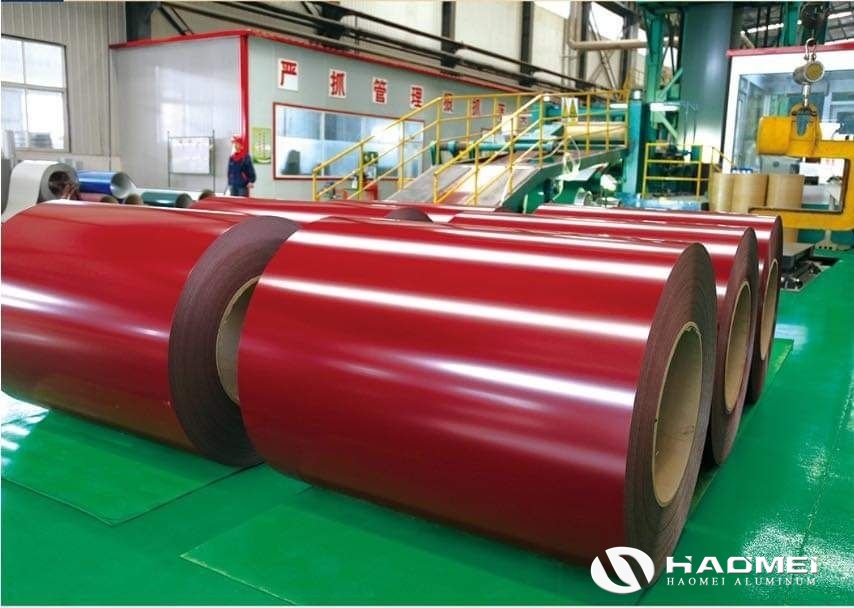
China Coated Aluminum Coil has become a default material choice for building envelopes, transportation trim, appliance panels, signage, and insulation jacketing because it combines corrosion resistance, formability, and stable color performance at scale. For overseas distributors and OEMs, the real differentiator is not painted aluminum in general, but how consistently the supplier controls substrate quality, pretreatment chemistry, coating formulation, curing, and final inspection. This guide approaches China Coated Aluminum Coil from both an engineering and export-procurement viewpointwhat to specify, what to test, and how to reduce quality and claims risk.
What China Coated Aluminum Coil Means in Practice
In technical terms, China Coated Aluminum Coil is typically continuous coil-coated aluminum (often called prepainted aluminum coil), produced on a roll-coating line with controlled pretreatment, primer, and topcoat (and often a back coat). The coil-coating process is repeatable and economical, but performance depends on the full system:
Substrate: alloy, temper, thickness tolerance, flatness, and surface cleanliness
Pretreatment: chromate-free (common today) or other conversion layers; adhesion foundation
Coating: resin type (PE, PVDF, SMP/HDPE variants), pigment selection, film thickness, and curing window
Quality control: gloss, color E, T-bend, impact, adhesion, solvent rub, and corrosion tests
When you compare offers for China Coated Aluminum Coil, align the discussion around the above system rather than just price per ton.
China Coated Aluminum Coil Substrate Selection: Alloys, Tempers, and Thickness
A frequent sourcing mistake is treating alloy choice as interchangeable. In real forming and durability outcomes, it is not.
Common alloys used in China Coated Aluminum Coil include:
AA3003 / AA3005: workhorse for cladding, roofing, general sheet metal; good formability and corrosion resistance
AA5052: higher strength and better marine corrosion resistance; used where forming and durability are critical
AA1100: very high formability, lower strength; often used for insulation jacketing or decorative parts
Temper impacts bending and shaping:
H14 / H24: balance of strength and formability for general fabrication
H16 / H18: higher hardness, less bendability; choose carefully for tight radii
Thickness and tolerance are procurement levers. If your application is sensitive to oil-canning, wave, or flatness (e.g., facade cassette panels), specify:
Total thickness and allowable deviation
Coil set / camber limits
Minimum yield strength range (where relevant)
A capable China Coated Aluminum Coil supplier should be able to recommend alloy/temper combinations based on your forming method (roll forming, stamping, bending, or profiling).
Coating Systems for China Coated Aluminum Coil: PE vs PVDF and When Each Wins
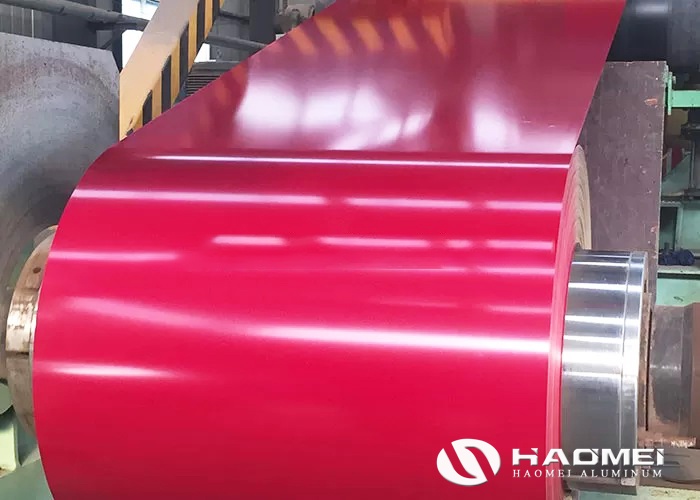
The coating is where service life is decided. Most buyer claims trace back to coating mismatch: the wrong resin for UV, chemicals, or coastal conditions.
PE (Polyester) coating
PE is widely used in China Coated Aluminum Coil for interior panels, ceiling systems, appliance housings, and general-purpose building products.
Strengths: cost-effective, broad color range, good processability
Trade-offs: lower long-term UV resistance versus PVDF in harsh sun exposure
Typical topcoat: ~1520 m (varies by spec)
PVDF coating
PVDF is commonly specified for exterior architectural use where color retention and chalk resistance matter.
Strengths: excellent UV durability, long-term color stability, better weathering performance
Trade-offs: higher cost; tighter process control required
Typical system: primer + PVDF topcoat; often higher total film build
A practical rule: if the component will face years of direct sun, frequent rainfall, coastal salt, or aggressive urban pollutants, PVDF-based China Coated Aluminum Coil is usually the safer technical decision.
Key Performance Tests to Specify for China Coated Aluminum Coil
To keep inbound quality predictable, treat the purchase order as a test plan. For China Coated Aluminum Coil, the most decision-making tests are:
Color and gloss: target color (RAL or custom) and acceptable E tolerance; gloss range at specified angle
Film thickness: topcoat and total dry film thickness (DFT)
Adhesion: cross-hatch (ASTM D3359 / ISO 2409) with pass criteria
Flexibility (T-bend): critical for roll forming and tight bends
Impact resistance: front-side impact without cracking/delamination
Solvent rub (MEK): cure adequacy indicator
Corrosion resistance: salt spray (ASTM B117 / ISO 9227) and humidity tests; define hours and acceptable creep from scribe
In export trading, it is smart to include retain control samples and COA per coil language for China Coated Aluminum Coil, plus traceability by coil ID, batch, and production date.
Application Mapping: Matching China Coated Aluminum Coil to End Use
A technical selection is easiest when you map the environment and forming demands.
Architectural cladding and roofing
Prefer PVDF or durable exterior-grade PE depending on climate and warranty expectations
Specify color tolerances and gloss consistency across lots
Consider higher thickness for flat panels to reduce visual waviness
Rainwater systems, trims, and flashings
High forming requirements: ensure adequate T-bend performance
Confirm back coat compatibility with sealants and tapes
Appliance and interior panels
PE systems are often suitable
Emphasize scratch resistance, cleanability, and forming without crazing
Insulation jacketing and HVAC
Often AA1100/3003 with PE
Prioritize coil set control and surface cleanliness
When you communicate the end-use context, a good China Coated Aluminum Coil exporter can recommend cost-down options without sacrificing performance.
China Coated Aluminum Coil Standards and Documentation Buyers Ask For
Global buyers typically align specifications to ASTM/EN/ISO frameworks even when sourcing from China. Depending on your market, you may request:
Base aluminum coil standard references (chemical composition and mechanical properties)
Coating performance references and test methods
REACH/RoHS statements where required
Packing list, mill test certificate (MTC), and certificate of analysis (COA)
If your product is entering regulated construction markets, define not only the standard name but also the acceptance criteria (e.g., salt spray hours with maximum underfilm corrosion limits).
Packaging and Logistics: Reducing Transit Claims for China Coated Aluminum Coil
Damage and oxidation during transit can erase any purchase price advantage. For China Coated Aluminum Coil, packaging should be treated as a technical requirement:
Moisture protection: VCI, desiccants, sealed wrap, and edge protection
Coil orientation: eye-to-wall or eye-to-sky per container/loading plan
Pallet and skid strength: prevent telescoping and deformation
Marking: coil ID, color code, alloy/temper, thickness, net weight, and production lot
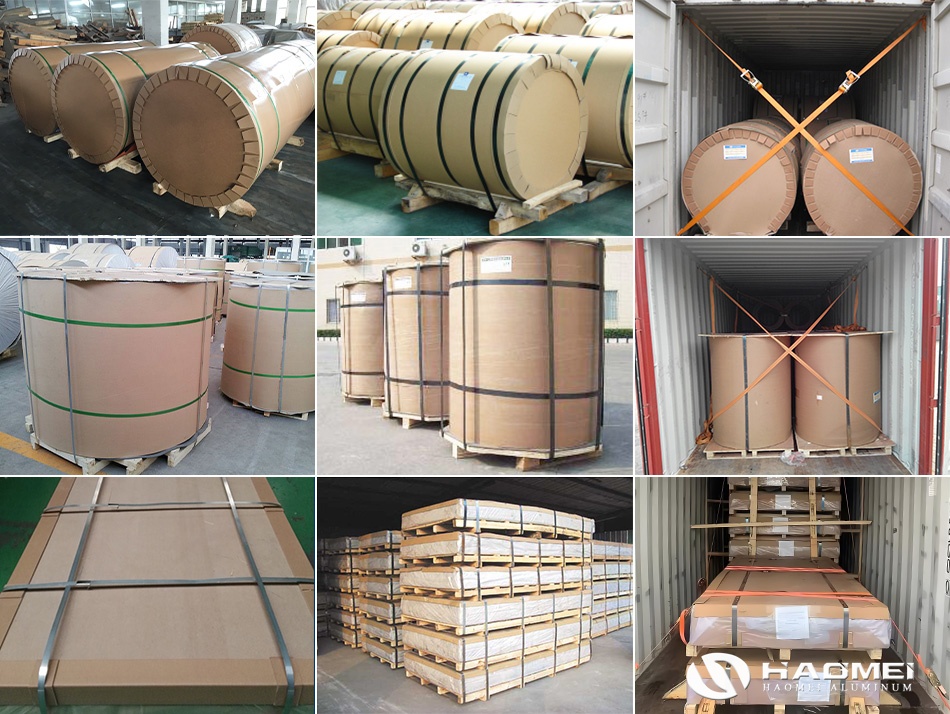
A common best practice is to request loading photos and a packing specification sheet for each shipment of China Coated Aluminum Coil.
Market Observations: What Drives Pricing and Lead Time for China Coated Aluminum Coil
From an export business consultant perspective, pricing for China Coated Aluminum Coil typically moves with four variables:
Aluminum ingot price (LME/SHFE linkage) and local conversion costs
Coating type and film build (PVDF systems cost more than standard PE)
Color complexity and batch size (special colors, metallics, and small lots increase cost)
Quality level and inspection scope (tight tolerances, more testing, and third-party inspection add cost but reduce risk)
Lead times are affected by coil line scheduling, paint procurement, and peak seasonal demand for construction materials. If your project requires color consistency across multiple containers, negotiate a production plan that keeps raw material and coating batches aligned.
How to Vet a China Coated Aluminum Coil Supplier (Practical Checklist)
When evaluating China Coated Aluminum Coil offers, focus on evidence rather than promises:
Can the supplier provide recent test reports (adhesion, T-bend, salt spray) for similar specs?
Is the pretreatment system clearly stated (and is it consistent with your compliance needs)?
Are color control processes defined (spectrophotometer data, E targets, lot-to-lot control)?
Is there a documented claim-handling process (coil traceability, sample retention, and corrective action timelines)?
Do they support third-party inspection before shipment?
Specification Template for China Coated Aluminum Coil (What to Put on the PO)
If you want fewer disputes, specify China Coated Aluminum Coil with a structured line item:
Alloy / temper (e.g., 3003 H24)
Thickness width (and tolerances)
Coating system (PE or PVDF), primer/topcoat/back coat type
Topcoat color code (RAL/custom) + E tolerance and gloss range
Film thickness (topcoat and total)
Protective film requirement (type, thickness, adhesion level)
Test methods + acceptance criteria (adhesion, T-bend, impact, MEK, corrosion)
Packing method and container loading requirement
Documentation (COA, MTC, inspection report)
This approach makes China Coated Aluminum Coil procurement repeatable across regions and projects.
ABOUT US
PRODUCTS
APPLICATION
CONTACT US
Mobile: +86-18137889531 (same number on WeChat)
Phone: +86-371-65621391
Email: nydia@aluminumhm.com
No.14 Waihuan Road, CBD,
Zhengzhou, China


Copyright © 2026 Haomei Aluminum CO., LTD.