
nydia@aluminumhm.com

News
Haomei Aluminum CO., LTD.
Aluminum Trim Coil Suppliers
For distributors, contractors, and building material importers, aluminum trim coil suppliers are more than vendors; they are part of the quality chain that determines installation efficiency, color consistency, and long-term weather resistance. A well-specified trim coil can reduce jobsite waste, simplify forming, and help end users achieve cleaner fascia, window, door, and siding details.
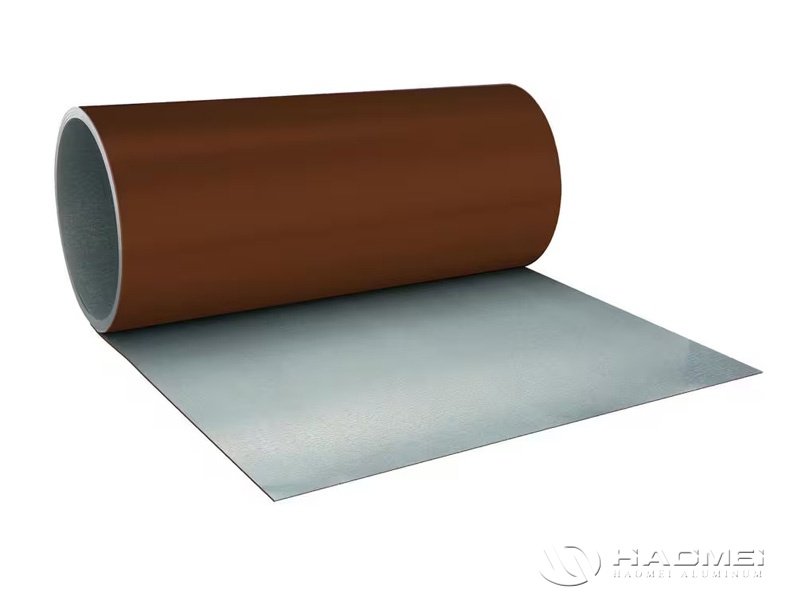
How aluminum trim coil suppliers support modern building projects
The global demand for low-maintenance exterior materials continues to grow, especially in North America, Europe, the Middle East, and coastal markets where corrosion resistance matters. Aluminum trim coil suppliers serve this demand by providing pre-painted or PVC-coated aluminum rolls that can be cut, bent, and formed into custom trim components.
From a technical perspective, trim coil must balance formability and surface durability. If the alloy is too hard, cracking may occur during bending. If it is too soft, the finished profile may lack stiffness. For this reason, many buyers focus on alloy series such as 3000 or 5000, suitable tempers, and coating systems designed for outdoor exposure.
Importers also look at commercial factors. Reliable aluminum trim coil suppliers help buyers manage lead times, container loading, private labeling, color matching, and documentation. This is especially important for wholesale distributors that must keep inventory stable across peak building seasons.
Key technical specifications buyers should verify
Before confirming an order, buyers should define the operating environment and fabrication method. A distributor selling to roofing and siding contractors may need different specifications from a window manufacturer or a retail building supply chain.
Common specification points include:
| Item | Typical Consideration | Why It Matters |
|---|---|---|
| Alloy | 3003, 3105, or similar | Supports corrosion resistance and formability |
| Temper | H14, H24, or project-specific | Affects bending, stiffness, and workability |
| Thickness | Often around 0.019 in to 0.024 in | Influences strength, cost, and forming behavior |
| Width | 24 in, 36 in, or customized | Matches brake machines and end-use profiles |
| Coating | Polyester, PVDF, PVC, or textured finish | Determines color retention and surface protection |
| Inner diameter | Export packing standard | Affects handling and unwinding performance |
For standard residential and light commercial applications, Aluminum Trim Coil is commonly supplied in practical widths and colors for fascia, soffit, window casing, and door trim. When the application needs additional stiffness, many professional buyers evaluate 024 Trim Coil for higher durability during forming and installation.
Coating performance and color control
Experienced aluminum trim coil suppliers understand that coating quality is one of the most critical performance factors. The base metal can be excellent, but inconsistent paint thickness or weak adhesion may lead to premature fading, chalking, peeling, or cracking.
For exterior applications, buyers should request clear information on coating type, film thickness, gloss level, color tolerance, and testing standards. Common quality checks include T-bend testing, impact resistance, pencil hardness, solvent resistance, salt spray testing, and accelerated weathering. These tests help predict how the coil will perform after years of exposure to UV radiation, rain, snow, temperature changes, and airborne pollutants.
Color consistency is especially important for distributors. If coils from different batches vary visibly, customers may reject finished trim pieces. Professional mills and coating lines typically manage this through color master samples, spectrophotometer readings, and controlled production records.
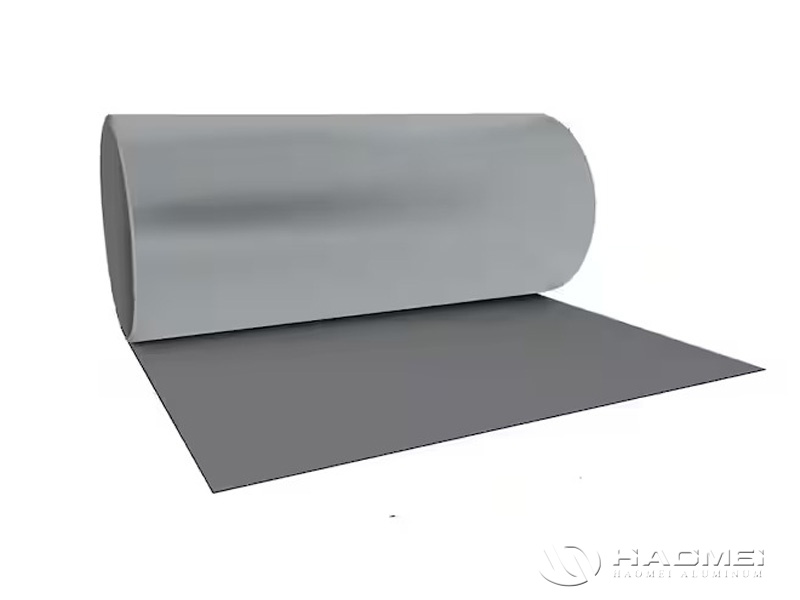
Market observations for aluminum trim coil suppliers
Global market conditions have made sourcing more strategic. Aluminum prices are influenced by LME trends, energy costs, regional demand, freight rates, and currency movement. As a result, aluminum trim coil suppliers increasingly offer pricing based on raw material index changes, coating requirements, order volume, and packaging standards.
In export trade, buyers should not compare price alone. A low quotation may exclude protective film, strong seaworthy packing, customized color matching, or quality documentation. These omissions can create higher costs after arrival if coils are scratched, damaged, or unsuitable for local machines.
The most competitive importers usually evaluate total landed cost, not only FOB or CIF price. This includes product yield, claim rate, stock turnover, and customer satisfaction. In markets where contractors value fast installation, stable coil flatness and smooth paint surfaces can be more profitable than a small unit price saving.
Packaging, logistics, and export documentation
For international buyers, packaging is a technical issue as well as a logistics issue. Coils must survive inland transport, ocean freight, unloading, warehouse storage, and local distribution. Quality aluminum trim coil suppliers typically use moisture-resistant wrapping, edge protection, wooden pallets or cases, and clear labels for color, size, batch number, and net weight.
Export documentation should be checked before shipment. Depending on the destination market, buyers may require commercial invoices, packing lists, certificates of origin, mill test certificates, coating test reports, insurance documents, or compliance declarations. For distributors selling under their own brand, carton labels, coil labels, and packing marks should be confirmed before production begins.
Container loading also deserves attention. Heavy coils must be secured to avoid shifting. If multiple colors and sizes are loaded in one container, the packing list should be organized so the warehouse team can identify goods quickly after arrival.
Choosing the right supplier for long-term cooperation
A strong supplier is not only a producer with machines. The best aluminum trim coil suppliers combine technical control, export service, and practical communication. They should be able to explain material options, recommend suitable coating systems, and provide realistic lead times.
When evaluating potential partners, consider these questions:
Can the supplier provide consistent alloy, temper, width, and thickness tolerance?
Are coating test results available for the selected finish?
Can colors be matched to local market standards or customer samples?
Is packaging suitable for long-distance ocean shipping?
Does the supplier understand distributor inventory and mixed-container requirements?
How are complaints, replacement policies, and batch tracking handled?
Buyers should also request samples before bulk purchasing. Sample evaluation should include bending tests, surface inspection, color comparison, and compatibility with local brake-forming equipment. For recurring orders, keep approved samples and batch records to reduce misunderstandings.
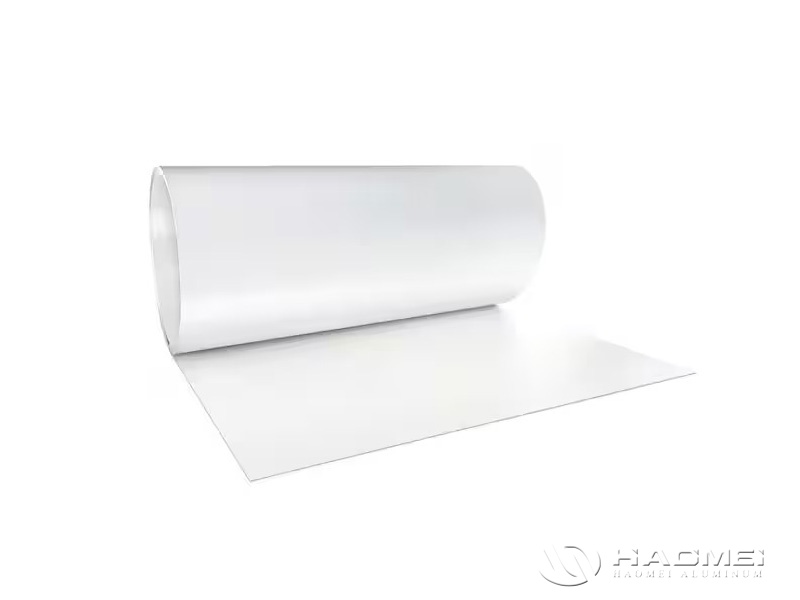
Product range and application matching
Different markets prefer different appearances. White, black, brown, bronze, gray, clay, sandstone, green, red, blue, and wood grain finishes all have their own demand patterns. For example, black and dark bronze are often selected for modern architectural styles, while white and brown remain common in residential remodeling.
Surface texture is another consideration. Smooth coating is widely used, but textured finishes can help hide minor scratches and improve visual depth. PVC and poly finishes are often chosen when additional surface protection or specific appearance is required.
Aluminum trim coil suppliers that offer a broad color and finish range can help distributors reduce sourcing complexity. Instead of purchasing from multiple factories, buyers can consolidate standard colors, special colors, and project-based items through one qualified partner.
Practical purchasing advice for importers and distributors
A good purchasing strategy begins with clear specifications. Provide the supplier with thickness, width, coil weight, coating type, color code, gloss level, packing method, and estimated annual demand. If the order is for retail distribution, confirm roll length, label design, and barcode requirements. If the order is for contractors, focus on forming performance and jobsite handling.
Forecasting is also important. Building material demand is seasonal in many regions, so importers should plan orders before the busy period. By sharing sales forecasts, buyers can help aluminum trim coil suppliers prepare raw material, schedule coating lines, and reduce urgent freight costs.
For buyers entering a new market, it is wise to begin with fast-moving colors and standard sizes, then expand into customized finishes after collecting customer feedback. This reduces inventory risk and makes the first purchasing cycle easier to control.
Selecting aluminum trim coil suppliers is a technical and commercial decision. The right partner helps protect your brand reputation through stable quality, dependable delivery, and responsive export support. When alloy, coating, packaging, and documentation are managed correctly, trim coil becomes not just a commodity, but a reliable value-added material for exterior building systems.
ABOUT US
PRODUCTS
APPLICATION
CONTACT US
Mobile: +86-18137889531 (same number on WeChat)
Phone: +86-371-65621391
Email: nydia@aluminumhm.com
No.14 Waihuan Road, CBD,
Zhengzhou, China


Copyright © 2026 Haomei Aluminum CO., LTD.