
nydia@aluminumhm.com

News
Haomei Aluminum CO., LTD.
Trim Coil Roll
A trim coil roll is one of the most practical and market-driven aluminum products in exterior construction. In my experience, buyers often focus first on color and price, but the real performance of a trim coil roll depends on a deeper combination of alloy, temper, coating system, thickness control, and forming behavior. Whether the material is used around windows, doors, fascia, soffit edges, or custom brake-formed profiles, the right specification makes a visible difference in both fabrication efficiency and long-term appearance.
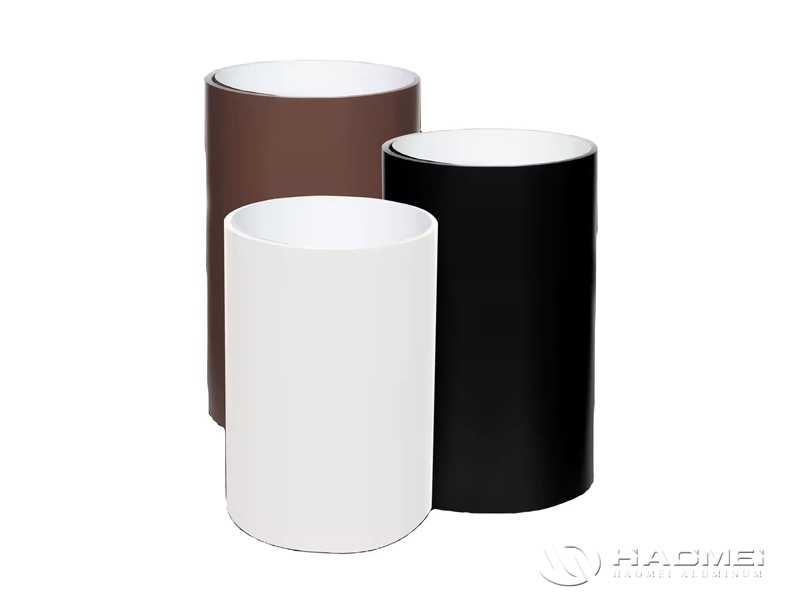
From a manufacturing and supply perspective, trim coil roll is usually produced from painted aluminum coil with tight dimensional tolerance, stable mechanical properties, and a surface designed for outdoor weather resistance. Contractors want material that bends cleanly without cracking. Distributors want consistent color lots. Project owners want durability, corrosion resistance, and low maintenance. A well-made trim coil roll must satisfy all three.
What Is a Trim Coil Roll?
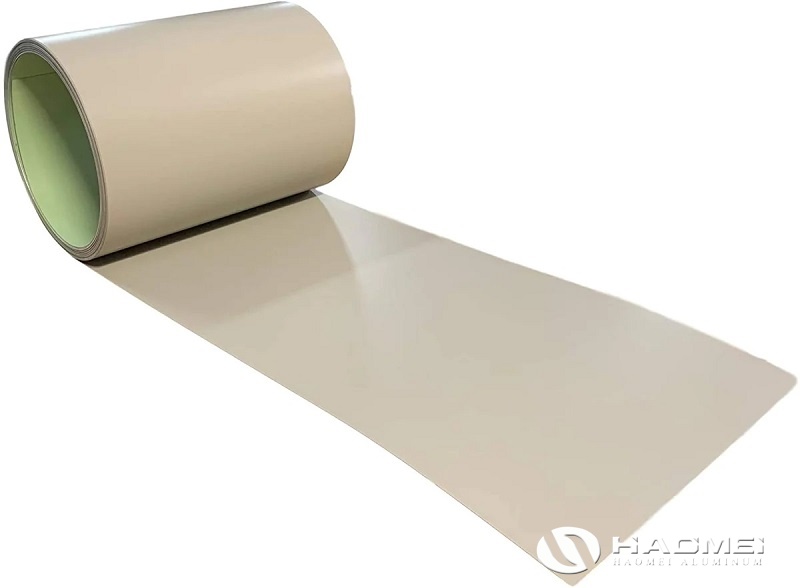
Trim coil roll refers to prefinished aluminum coil supplied in widths and lengths suitable for forming decorative and protective trims on residential and light commercial buildings. It is commonly processed through portable brakes or shop equipment to create profiles that match siding, roofing edges, garage door wraps, window capping, and other finish details.
Many customers searching for Aluminum Trim Coil are really looking for a balance of workability and exterior durability. That balance is what separates premium trim coil from lower-grade painted coil intended for less demanding applications.
Common Alloys Used in Trim Coil Roll
In the aluminum industry, not every alloy is equally suitable for trim forming. The most common choices are from the 1xxx and 3xxx series, with 3105 being especially important in North American building products.
1. Alloy 3105
Alloy 3105 is widely used for trim coil roll because it offers a very good combination of strength, corrosion resistance, and formability. It contains manganese as the main alloying element, which improves strength over commercially pure aluminum while maintaining good bending performance.
For painted trim applications, 3105 is often the preferred alloy because:
It bends well in common fabrication conditions
It performs reliably in outdoor environments
It accepts coating systems effectively
It provides a balanced cost-to-performance ratio
2. Alloy 3003
3003 is another practical option, especially where good workability is critical. It is softer than some alternatives and has a long history in construction and general sheet applications. In certain trim products, 3003 can be advantageous when complex forming is required.
3. Alloy 1100 or Similar Commercial Purity Grades
Some lower-strength trim-related products may use near-pure aluminum grades for maximum softness and bendability. These alloys can be useful in specific decorative or light-duty applications, although they generally do not offer the same strength level as 3105.
Typical Tempers for Trim Coil Roll
Temper selection directly affects how the trim coil roll performs during bending and installation. This is an area where practical experience matters a great deal. A product that looks fine on paper can still cause trouble in the field if the temper is too hard or inconsistent.
The most common tempers include:
| Alloy | Typical Temper | Key Characteristics | Common Use |
|---|---|---|---|
| 3105 | H24 | Moderate strength, good formability | Standard painted trim coil |
| 3105 | H26 | Higher strength, reduced formability | Applications needing more stiffness |
| 3003 | H14/H24 | Soft to medium strength, easy bending | Custom trim forming |
| 1100 | H14 or softer | Excellent workability | Light decorative trim |
Among these, H24 is often the most practical for trim coil roll. It gives enough stiffness to maintain shape after forming, while still allowing clean bends on portable brakes. In my view, this temper is often the safest choice for general market demand because it reduces complaints related to cracking while preserving finished appearance.
Key Properties of High-Quality Trim Coil Roll
A professional-grade trim coil roll should not be judged by thickness alone. The full property profile matters.
1. Excellent Formability
Trim coil must bend smoothly around tight radii without surface fracture, coating breakage, or edge instability. This is especially important in cold-weather installation, where some materials become less forgiving.
2. Corrosion Resistance
Aluminum naturally forms a protective oxide layer, which gives trim coil strong resistance to atmospheric corrosion. When combined with a well-designed paint system, this makes it highly suitable for exterior use in humid, rainy, or moderately coastal environments.
3. Surface Quality
One issue experienced buyers watch closely is surface consistency. Coil should have uniform gloss, clean coating adhesion, and minimal waviness or roll marks. In architectural trim, appearance is not secondary; it is part of the product's value.
4. Coating Durability
Most trim coil roll products use polyester or SMP-based coating systems, and some premium products use more advanced weather-resistant finishes. The correct coating protects against fading, chalking, and abrasion during fabrication and service life.
5. Dimensional Stability
Stable thickness and width are essential. If coil gauge varies too much, brake forming becomes inconsistent, and installers notice immediately. This is why serious buyers often ask not only for nominal thickness, but also for tolerance control.
Main Advantages of Aluminum Trim Coil Roll
From both a product and market perspective, aluminum trim coil roll offers several strong advantages.
Lightweight but Strong Enough
Compared with many competing metals, aluminum provides sufficient rigidity for trim applications at a much lower weight. This improves handling, transport efficiency, and installation speed.
Easy Fabrication
Installers value material that can be cut, bent, and shaped efficiently on site. This lowers labor time and helps maintain neat project finishing.
Weather Resistance
A quality trim coil roll performs well under sun, rain, frost, and general outdoor exposure. For distributors, this makes it a dependable stock item across multiple climate zones.
Attractive Decorative Range
The market today demands more than white and brown. Builders increasingly ask for black, bronze, gray, clay, wood grain, and textured finishes. For standard residential jobs and replacement projects, sizes like Aluminum Trim Coil 24 x 50 remain especially popular because they fit common fabrication requirements.
Low Maintenance
Unlike wood trim, aluminum trim coil does not require frequent repainting or extensive upkeep. This long-term maintenance advantage is one reason it remains competitive even when raw material prices fluctuate.
Common Applications of Trim Coil Roll
Trim coil roll serves a wide range of finishing and protection functions in the building envelope.
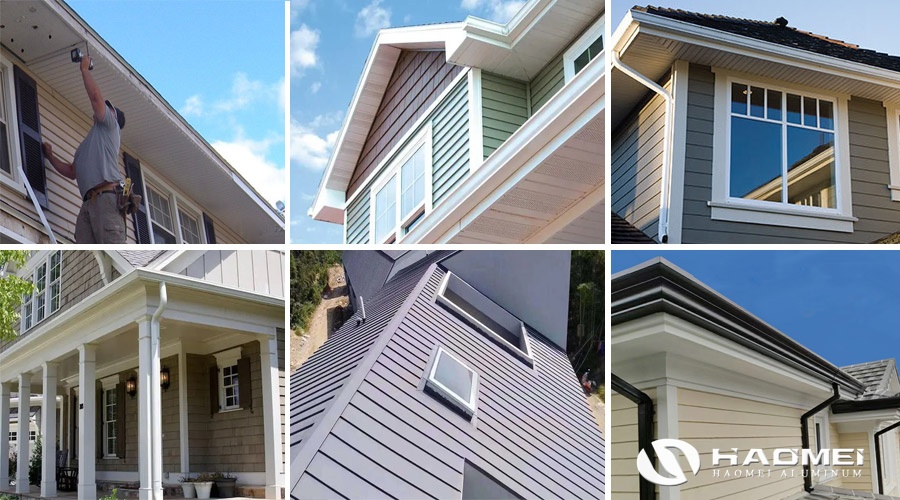
Window and Door Trim
One of the most common applications is capping exposed wood around windows and doors. This improves appearance while adding a protective barrier against moisture and weathering.
Fascia and Rake Coverings
Brake-formed trim from aluminum coil is widely used for fascia boards, rake edges, and roofline details. It creates a cleaner, more durable finish than many traditional materials.
Siding and Exterior Remodeling
In siding projects, trim coil roll is used to create matching edge pieces, corner details, and transition covers. Color matching is especially important here, and reliable coating consistency becomes a major selling point.
Soffit and Garage Door Surrounds
Trim coil can also be formed into custom wraps for soffit edges, garage openings, columns, and porch details. These are high-visibility areas where surface finish quality matters greatly.
Mobile Homes and Light Commercial Projects
Beyond residential construction, trim coil roll is also used in modular buildings, mobile homes, and light commercial exterior trim systems where practical durability and clean visual lines are required.
How I Evaluate Trim Coil Roll in Real Market Terms
When discussing trim coil with customers, I usually focus on five checkpoints:
Alloy stability - 3105 is often the benchmark for reliable building trim performance.
Temper suitability - H24 usually gives the best field balance.
Coating performance - outdoor durability matters more than short-term color appeal.
Thickness consistency - installers notice variation immediately.
Packaging and transport protection - edge damage can turn good coil into claim-prone inventory.
From years of watching the market, I can say this clearly: the cheapest trim coil roll is rarely the most competitive product over time. Claims, installation complaints, coating issues, and color inconsistency cost far more than a small difference in coil price.
Choosing the Right Trim Coil Roll
A suitable trim coil roll specification depends on climate, fabrication method, required color, and end-use expectations. For most exterior architectural trim, painted 3105 aluminum in H24 temper remains a proven and commercially sound choice. It gives a dependable mix of bendability, strength, corrosion resistance, and finished appearance.
For buyers who care about long-term brand reputation, it is worth paying attention not just to the visible paint surface, but to the full manufacturing logic behind the product. Good trim coil roll is not simply painted metal in a roll. It is a controlled architectural material designed to perform from the brake to the building exterior.
ABOUT US
PRODUCTS
APPLICATION
CONTACT US
Mobile: +86-18137889531 (same number on WeChat)
Phone: +86-371-65621391
Email: nydia@aluminumhm.com
No.14 Waihuan Road, CBD,
Zhengzhou, China


Copyright © 2026 Haomei Aluminum CO., LTD.