
nydia@aluminumhm.com

News
Haomei Aluminum CO., LTD.
Mastic Aluminum Coil
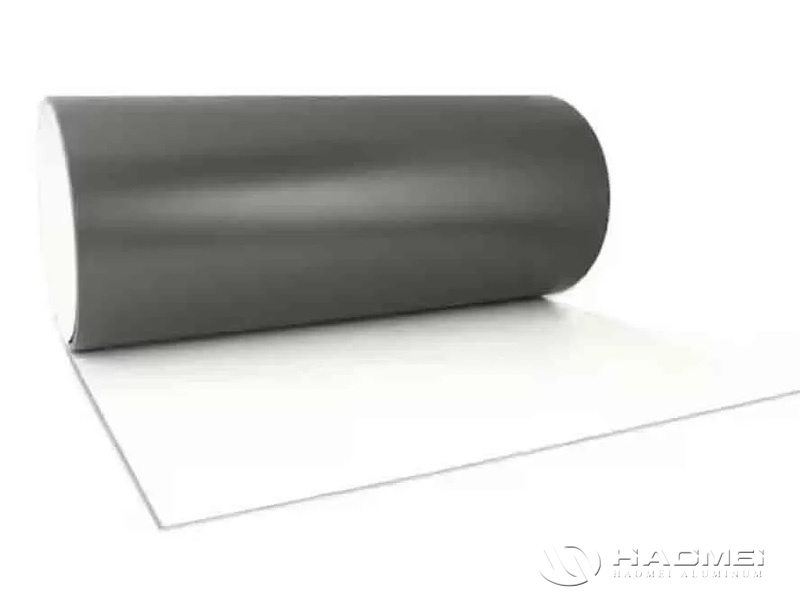
As exterior renovation and light commercial construction continue to favor clean edges, stable colors, and low-maintenance materials, mastic aluminum coil is becoming a practical choice for distributors, contractors, and building product fabricators. The material is widely used for fascia, window trim, door surrounds, soffit details, siding accessories, and other exposed architectural components where appearance and workability must remain consistent from coil to finished part.
Unlike ordinary bare aluminum, mastic aluminum coil is produced with a controlled pretreatment and coating process that gives the surface better adhesion, corrosion resistance, and color stability. For buyers serving the North American remodeling market, common retail and jobsite formats such as 24 in x 50 ft trim coil and 36 in wide coil stock remain familiar specifications, while gauges including .019 in and .024 in are frequently selected according to forming requirements and local installation habits.
Technology Behind a Reliable Coated Surface
The performance of mastic aluminum coil starts before the paint is applied. A stable substrate, usually from 3000 or 5000 series aluminum, provides the balance of formability, strength, and corrosion resistance needed for bending, cutting, and field installation. Surface cleaning and chemical pretreatment help create a uniform base layer, reducing the risk of paint peeling during brake forming or long-term outdoor exposure.
Modern color coating lines use precise roller coating and temperature-controlled curing to maintain film thickness, gloss, and color consistency across the coil. This is especially important for exterior trim applications, where different pieces may be installed around the same elevation of a building. Even small color deviations can be visible under natural light, so Delta E color control and batch traceability are not just laboratory terms; they are important details for project consistency.
Depending on the end market, coatings may be selected to align with common performance expectations such as AAMA 2603 or AAMA 2604 grade systems. Polyester coatings are widely used for economical residential trim, while higher-performance systems can be specified for stronger UV resistance, coastal exposure, or darker colors that absorb more heat.
Core Advantages for Fabricators and Installers
Mastic aluminum coil offers a combination of lightweight handling and durable surface protection. Compared with steel, aluminum is easier to transport and handle on site, and it naturally resists red rust. This makes it useful for trim areas where moisture may collect, such as fascia edges, window returns, and roofline transitions.
For fabrication shops, stable coil flatness and predictable hardness improve production efficiency. Smooth feeding, clean slitting, and consistent bending reduce waste during the conversion of coil stock into caps, covers, and profiles. Contractors also value coils that can be formed without cracking at the bend line, especially when working with portable brakes on renovation sites.
A broad color range is another practical advantage. Brown, black, clay, white, bronze, gray, and custom-matched finishes help coordinate with vinyl siding, fiber cement boards, metal roofing, and composite exterior panels. Buyers looking for related exterior finishing materials often compare mastic aluminum coil with aluminum trim coil to evaluate coating options, packaging, and jobsite usability.
Application Scenarios in Exterior Construction
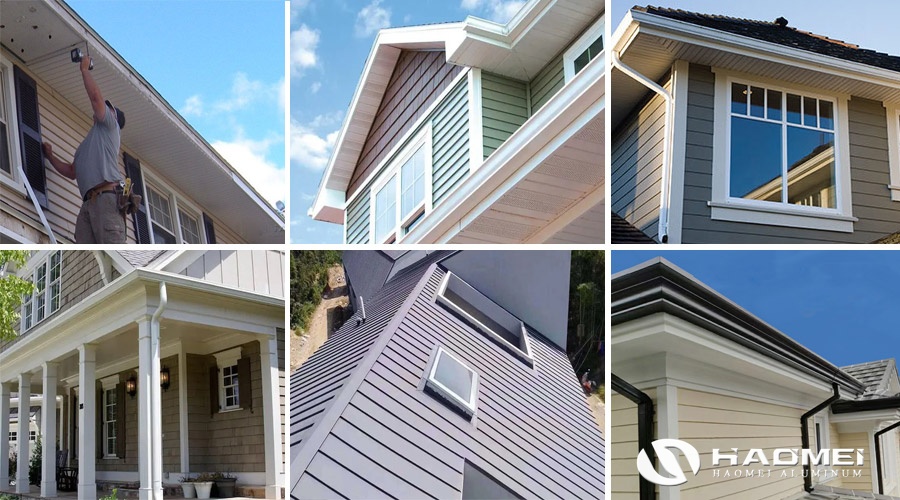
In residential renovation, mastic aluminum coil is often used to wrap wooden fascia and window trim. This reduces repainting needs and gives older structures a cleaner, more uniform appearance. For new construction, it supports fast installation of color-matched trim details around doors, gables, garage openings, and eaves.
Light commercial buildings also benefit from the material. Retail storefronts, modular buildings, small offices, and service facilities commonly require durable exterior details that can be fabricated quickly and matched to corporate color schemes. Because coated aluminum coil can be slit and formed into various widths, it supports both standard profiles and small-batch custom trim pieces.
In roofing and siding accessory systems, mastic aluminum coil is used for drip edges, rake trim, starter strips, corner covers, and transition pieces. Its corrosion resistance is useful in areas exposed to rainwater runoff, while the coated surface helps preserve a consistent look across the building envelope.
Supply Details That Matter in Export Orders
For international buyers, product quality is not limited to the coating itself. Coil ID, roll weight, edge condition, protective film, carton strength, pallet design, and moisture-resistant packaging all affect transportation safety and warehouse efficiency. Export shipments often travel through different climates before reaching the final distributor, so packaging must protect the coil surface from abrasion, condensation, and edge damage.
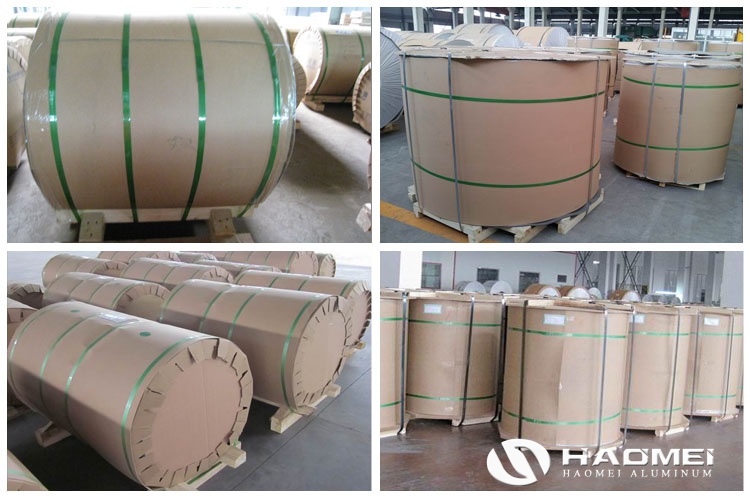
Reliable producers control the process from substrate selection to coating, inspection, cutting, and packing. Key inspection items normally include thickness tolerance, paint film adhesion, gloss, color difference, surface defects, and bending performance. For project-based procurement, retaining production records and color samples helps buyers reorder with greater confidence.
Mastic aluminum coil continues to gain relevance because it answers several market needs at once: durable exterior protection, attractive color coordination, easy fabrication, and efficient logistics. As siding systems and exterior renovation standards become more detail-oriented, the demand for consistent, well-coated aluminum coil is expected to remain strong across residential and light commercial applications.
ABOUT US
PRODUCTS
APPLICATION
CONTACT US
Mobile: +86-18137889531 (same number on WeChat)
Phone: +86-371-65621391
Email: nydia@aluminumhm.com
No.14 Waihuan Road, CBD,
Zhengzhou, China


Copyright © 2026 Haomei Aluminum CO., LTD.