
nydia@aluminumhm.com

News
Haomei Aluminum CO., LTD.
Best Aluminum Trim Coil
Choosing the best aluminum trim coil is not only a matter of color or roll size. In real projects, the right coil must bend cleanly, hold paint well, resist weathering, and keep installation costs predictable. After years of working with contractors, distributors, and exterior building product buyers, I have learned that most callbacks are not caused by aluminum itself. They usually come from the wrong alloy, unsuitable temper, poor coating control, or weak packaging during transport.
For standard exterior wrapping, our Aluminum Trim Coil is designed around practical jobsite needs: stable mechanical performance, reliable surface finish, consistent color, and convenient fabrication on common brake machines.
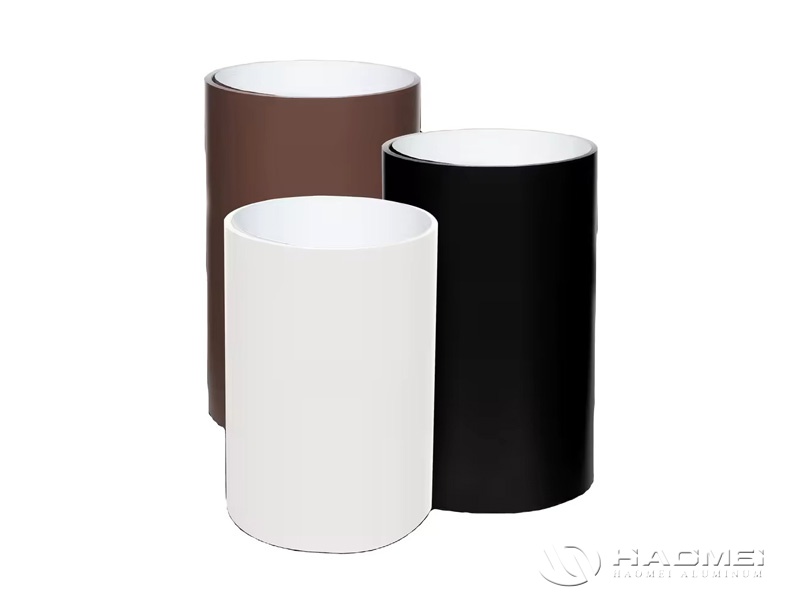
What Makes the Best Aluminum Trim Coil?
A good trim coil should have a balanced combination of formability, strength, paint adhesion, corrosion resistance, and dimensional consistency. If the coil is too soft, it dents easily during handling. If it is too hard, it may crack at tight bends. If the coating is weak, fading, chalking, or edge corrosion may appear earlier than expected.
In my opinion, the best aluminum trim coil is not always the cheapest coil on the market. It is the coil that reduces waste, installs smoothly, matches the building color system, and performs through seasonal expansion, rain, UV exposure, and freeze-thaw cycles.
Recommended Alloys for Aluminum Trim Coil
Most quality trim coils are produced from 3000 series or 3000/3100 series aluminum because these alloys offer a strong balance of corrosion resistance and workability. The following table shows common alloy choices and how I evaluate them in practice.
| Alloy | Main Characteristics | Typical Use | Professional Comment |
|---|---|---|---|
| 1100 | Very soft, high aluminum purity, excellent corrosion resistance | Light decorative trim | Easy to bend, but not my first choice for demanding exterior work because it dents more easily. |
| 3003 | Good formability, moderate strength, good corrosion resistance | General flashing and trim | A practical alloy when flexibility is more important than higher strength. |
| 3105 | Better strength than 1100, excellent coating performance, stable bending | Residential and commercial trim coil | My preferred alloy for most painted trim coil applications. |
| 3004 | Higher strength, good corrosion resistance | Specialized exterior products | Useful when stronger mechanical properties are required. |
For many exterior trim applications, 3105 aluminum offers the best balance. It can be formed into fascia, window casing, door trim, and rake boards without excessive springback. It also accepts painted finishes very well, which matters when color consistency is part of the project specification.
Tempers: Why H24 and H26 Are Often Preferred
Temper is one of the most overlooked details when buyers compare trim coil quotes. Two coils may have the same alloy and thickness, but the bending behavior can be completely different.
| Temper | Formability | Strength | Best Use |
|---|---|---|---|
| O | Very high | Low | Deep forming or special fabrication |
| H14 | High | Medium | Easy bending and light-duty trim |
| H24 | High to medium | Medium | Standard architectural trim coil |
| H26 | Medium | Medium-high | Applications needing better dent resistance |
| H28 | Lower | High | Less common for tight trim bending |
For most field installers, H24 and H26 are the most practical choices. H24 is friendly to bending and brake forming, while H26 provides a slightly firmer feel and better resistance to handling damage. When a contractor tells me they want fewer surface dents during transport and installation, I usually guide them toward the right gauge and a controlled H26 temper rather than simply increasing thickness.
Contractors who prefer a popular exterior gauge can review our 024 Trim Coil, which is widely used for residential fascia, windows, and door trim because it balances rigidity, weight, and fabrication efficiency.
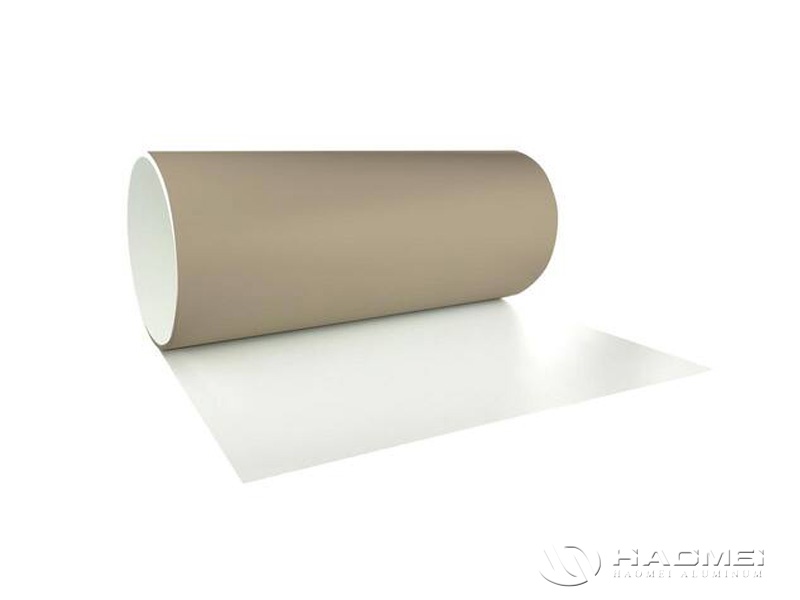
Key Properties of Premium Aluminum Trim Coil
The best aluminum trim coil should deliver measurable and visible performance. The properties below are the ones I pay the most attention to before recommending a coil to a serious buyer.
1. Corrosion Resistance
Aluminum naturally forms a protective oxide layer. With a high-quality coating system, this resistance improves further, making the coil suitable for rain, humidity, snow, and coastal environments. In aggressive climates, coating selection becomes as important as alloy selection.
2. Excellent Formability
Trim coil must be slit, cut, bent, hemmed, and folded without cracking. Stable temper control helps installers achieve clean corners and crisp edges. A coil that behaves consistently from the first meter to the last meter saves labor and reduces scrap.
3. Paint Adhesion and Color Stability
Painted aluminum trim coil is available in polyester, poly, PVC, and other coating systems. For budget-sensitive residential projects, polyester coatings can be sufficient. For higher exposure areas, stronger coating systems offer better chalking and fading resistance.
4. Lightweight but Durable
Aluminum is easy to transport and handle compared with steel or fiber cement alternatives. This reduces installation fatigue, especially on larger roofing, siding, and window trim projects.
5. Recyclability
Aluminum has a strong recycling value. In today's market, where sustainability and material recovery are increasingly important, this is a real commercial advantage rather than just a marketing phrase.
Product Advantages That Matter on the Jobsite
From a market and price perspective, trim coil buyers often focus on cost per roll. That number is important, but it does not tell the full story. A cheaper coil that scratches easily, waves after forming, or shows color variation can become expensive very quickly.
Our aluminum trim coil offers several practical advantages:
Smooth and stable surface for clean architectural appearance
Consistent thickness tolerance for predictable bending
Multiple colors for siding, roofing, and window systems
Good edge quality to reduce forming problems
Protective packaging to limit abrasion and moisture damage
Standard and custom widths for distributor inventory planning
Common widths include 11.75 in, 14 in, 18 in, 24 in, and 36 in, with 24 x 50 rolls being one of the most recognized formats in the North American market. Gauge options often include .019, .024, .027, and .032, depending on application requirements.
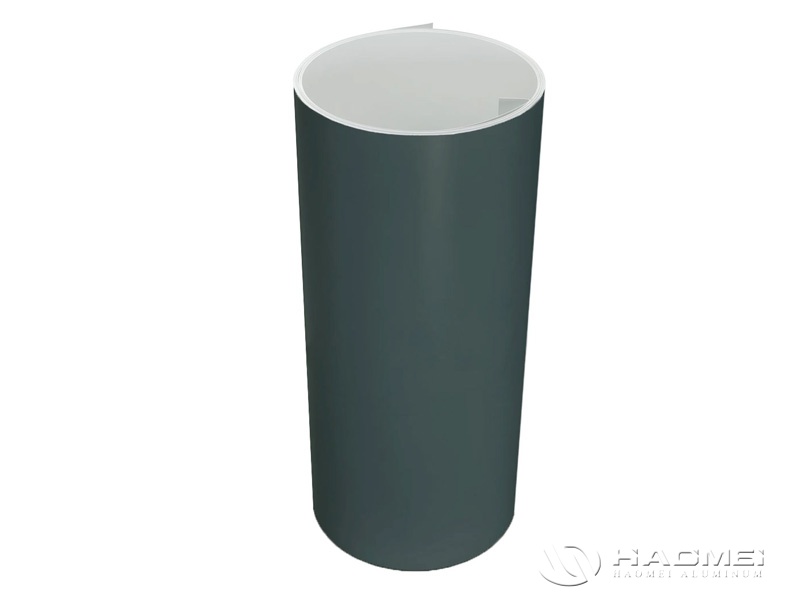
Color and Finish Options
Color is not just decoration. It affects curb appeal, heat absorption, inventory turnover, and matching with roofing, siding, gutter, and window systems. White, black, brown, gray, bronze, clay, sandstone, green, red, and blue are common market colors.
White trim coil remains a high-volume choice because it matches many residential exteriors. Black and dark bronze continue to grow in modern architectural design, but dark colors require better coating performance because they absorb more heat and show surface defects more easily. Brown and clay tones remain strong in traditional housing markets.
When I evaluate painted trim coil, I check gloss consistency, coating thickness, flexibility after bending, and color match under natural light. A sample that looks acceptable indoors may appear different on a building elevation after installation.
Main Applications of Aluminum Trim Coil
Aluminum trim coil is used wherever builders need a clean, weather-resistant, low-maintenance finish. Typical applications include:
Fascia board wrapping
Window and door trim
Garage door trim
Rake boards and roof edges
Soffit and siding accessories
Porch and column wrapping
Gutter and downspout trim details
Commercial storefront and light architectural cladding
In renovation work, aluminum trim coil is especially valuable because it can cover aging wood trim and reduce future painting maintenance. For new construction, it helps create a clean, uniform exterior finish while keeping installation efficient.
How to Choose the Best Aluminum Trim Coil Supplier
A reliable supplier should provide more than a low price. I recommend checking alloy certificate availability, coating type, thickness tolerance, color range, packaging method, and delivery reliability. In a volatile aluminum market, price changes can be influenced by LME aluminum, regional premiums, paint costs, freight, and exchange rates. A professional supplier should explain these factors clearly instead of offering vague quotations.
For distributors, stable color repeatability and roll packaging are critical. For contractors, the most important factors are bendability, scratch resistance, and roll-to-roll consistency. For project buyers, documentation and specification matching may be just as important as the physical coil.
My Professional Recommendation
If you want the best aluminum trim coil for broad exterior use, I generally recommend 3105 alloy in H24 or H26 temper, with a coating system selected according to climate and project budget. For most residential applications, .024 gauge provides a reliable balance of handling, rigidity, and cost. For higher-end or more exposed projects, consider thicker gauges and enhanced coatings.
The right trim coil should make installation easier, protect the building envelope, and maintain its appearance for years. When alloy, temper, coating, gauge, and packaging are controlled properly, aluminum trim coil becomes one of the most cost-effective exterior finishing materials available today.
ABOUT US
PRODUCTS
APPLICATION
CONTACT US
Mobile: +86-18137889531 (same number on WeChat)
Phone: +86-371-65621391
Email: nydia@aluminumhm.com
No.14 Waihuan Road, CBD,
Zhengzhou, China


Copyright © 2026 Haomei Aluminum CO., LTD.