
nydia@aluminumhm.com

News
Haomei Aluminum CO., LTD.
Aluminum Coil Stock Thickness
Aluminum coil stock thickness is more than a basic specification on a mill test report. In real projects, it directly affects forming performance, coating stability, service life, and installation efficiency. For buyers in construction, transportation, and architectural fabrication, selecting the right thickness often determines whether a coil runs smoothly through production or creates waste, surface defects, and costly rework.
From exterior trim to rainwater systems and panel fabrication, the market increasingly values tighter gauge control and consistent coating behavior. That is why thickness management has become a technical benchmark rather than a simple purchasing item. A well-produced coil needs to balance strength with flexibility, maintain flatness across the width, and hold coating adhesion during bending, hemming, and roll forming.
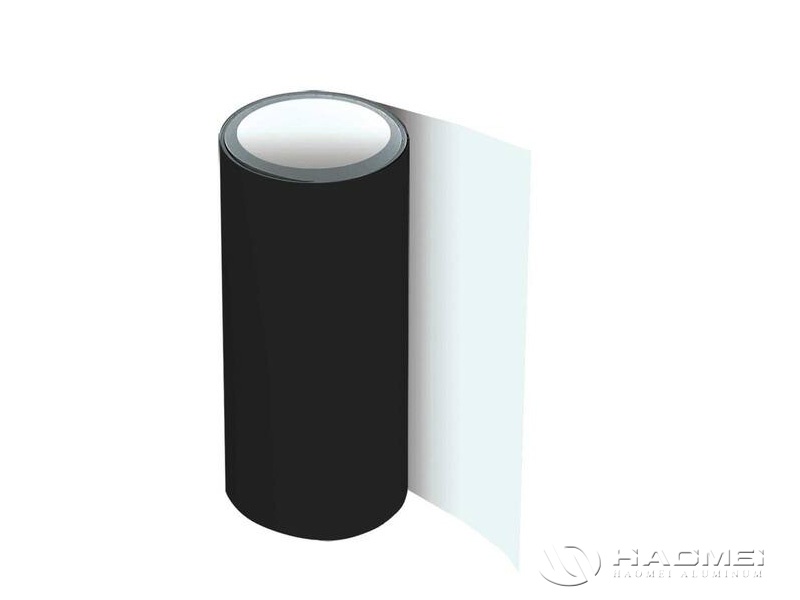
Why thickness matters in aluminum coil stock
In practical use, thinner gauges are often chosen for easier bending and decorative applications, while thicker gauges are preferred where higher rigidity or dent resistance is needed. Even small variations can change how the material performs on the jobsite. If the gauge is inconsistent, installers may see waviness, edge cracking during fabrication, or mismatched visual lines after installation.
For example, trim and fascia applications commonly use nominal thicknesses around 0.019 in to 0.024 in, while some heavier architectural or industrial uses may require thicker material depending on span, profile, and local loading conditions. In North America, 0.024 in trim coil is a widely recognized specification because it offers a practical balance between workability and stiffness for brake forming.
That is also why many fabricators pay close attention not only to nominal thickness, but to tolerance stability across the full coil length. Reliable production lines use strict rolling control and online inspection to reduce deviations that can impact downstream processing.
Technical strengths behind stable thickness performance
High-quality aluminum coil stock starts with controlled substrate selection and precision rolling. The most dependable supply programs typically focus on three areas: accurate gauge control, uniform mechanical properties, and coating compatibility.
First, accurate thickness helps maintain repeatability in bending radius and panel geometry. This is especially important for trim coil, where installers need clean bends without oil canning or visible stress marks. Second, stable temper and elongation allow the material to be formed without sacrificing strength. Third, the surface preparation and coating system must work with the chosen thickness so the finish remains intact after shaping.
In advanced production, automatic gauge measurement systems can monitor the strip in real time and support tighter thickness consistency from head to tail. This matters because uneven thickness may cause coating consumption differences, roll-forming instability, and variation in the final assembled appearance.
For buyers comparing specifications for Aluminum Coil Stock, thickness should always be evaluated together with alloy, temper, paint system, and intended forming method rather than as an isolated number.

Where different thicknesses are used
Application scenarios help explain why the right gauge matters so much:
Residential and light commercial trim
Window wraps, fascia covers, door trim, and soffit details often require coil stock that can be bent cleanly on portable brakes. Here, balanced thickness supports both shape retention and installer efficiency. Material that is too thin may feel soft and show deformation, while material that is too thick can slow fabrication and increase springback.
Gutter and drainage accessories
Drainage-related products need enough rigidity to keep profile integrity, especially in long lengths. A suitable aluminum coil stock thickness helps resist minor impacts and improves the finished edge quality.
Architectural facade and capping systems
For visible exterior elements, gauge consistency contributes to visual uniformity. Uneven substrate thickness can affect reflectivity, joint fit, and long-run flatness. In color-coated products, this also supports a more even paint appearance across building elevations.
Transportation and industrial cladding
Some industrial uses require thicker stock for improved stiffness, processing reliability, or protection performance. In these settings, precision thickness also reduces waste during stamping, folding, or laminating.
An important industry detail is that many prepainted aluminum coils for building products rely on coil coating lines that cure finishes in a continuous process before fabrication. This factory-controlled method generally provides more uniform coating film and color consistency than post-painted sheet fabrication, especially across large-volume runs.
A closer look at the hidden value of thickness control
The best-performing suppliers rarely talk only about price per ton. They focus on whether each coil can be processed smoothly, whether color and gloss remain stable after bending, and whether packaging protects the edges and painted surface during export transit. These details matter because overseas shipments may face long sea voyages, humidity changes, and multiple loading points.
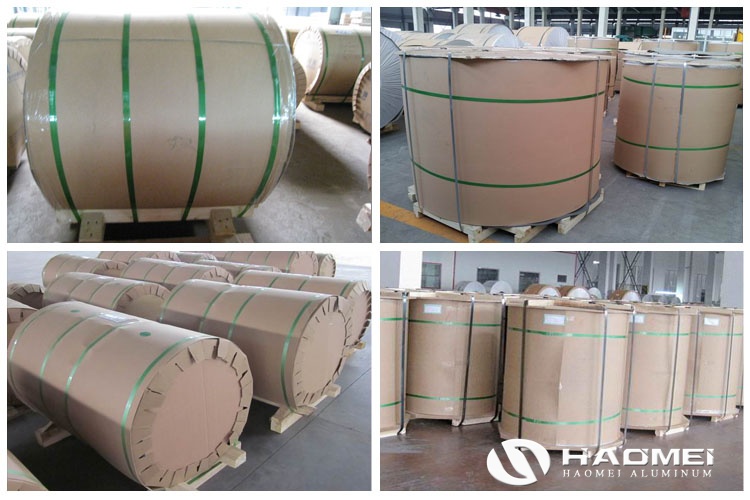
When thickness accuracy is paired with sound packaging, consistent paint adhesion, and dependable lead times, buyers gain a more predictable production schedule. That is particularly valuable for contractors and distributors serving seasonal construction demand, where delays and quality variation can quickly affect delivery commitments.
As market expectations continue to rise, aluminum coil stock thickness is becoming a key indicator of manufacturing discipline. It reflects not just how much metal is in the coil, but how well the product will perform in forming, finishing, transport, and long-term service. For projects that depend on clean appearance, stable quality, and efficient installation, precision thickness remains one of the most practical specifications to examine closely.
ABOUT US
PRODUCTS
APPLICATION
CONTACT US
Mobile: +86-18137889531 (same number on WeChat)
Phone: +86-371-65621391
Email: nydia@aluminumhm.com
No.14 Waihuan Road, CBD,
Zhengzhou, China


Copyright © 2026 Haomei Aluminum CO., LTD.