
nydia@aluminumhm.com

News
Haomei Aluminum CO., LTD.
Aluminum Coil Stock Prices
Aluminum coil stock prices are one of the most closely watched indicators in the building materials and light fabrication market. From my experience in the aluminum industry, buyers rarely focus on price alone for long. Once a project reaches the quoting stage, the real questions quickly become: which alloy is suitable, which temper will form cleanly, how durable is the coating, and how stable is the supply from one month to the next?
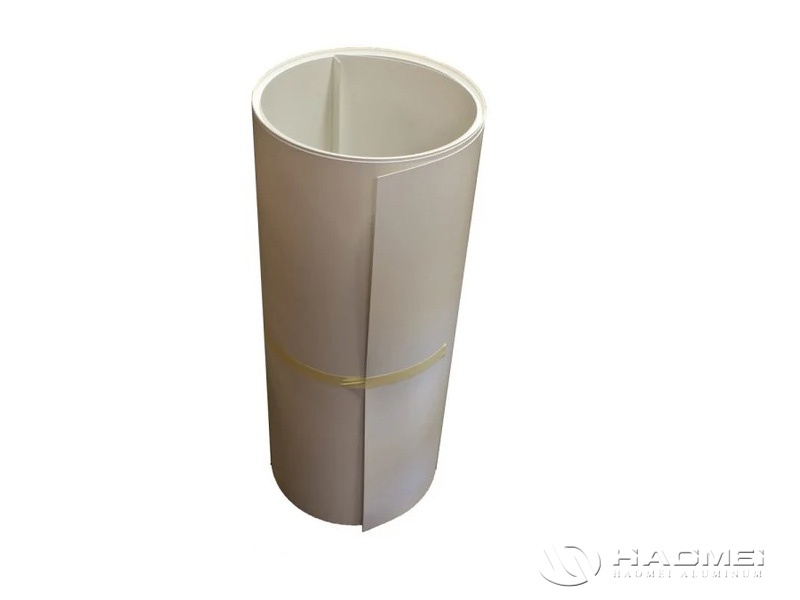
For contractors, distributors, and manufacturers, aluminum coil stock is valued because it balances weight, corrosion resistance, workability, and appearance. It is widely used in trim, gutters, fascia, soffit, roofing accessories, cladding details, and custom fabrication. In practical purchasing, the best value is not always the lowest offer. The right product specification often saves more money in reduced scrap, easier forming, longer outdoor life, and fewer installation problems.
What Affects Aluminum Coil Stock Prices?
Before discussing products in detail, it is important to understand what drives aluminum coil stock prices in the market.
The main factors include:
Base aluminum ingot price or LME-linked movement
Alloy series and chemistry requirements
Temper condition and mechanical performance
Coil thickness, width, and total order quantity
Surface finish, paint system, and coating thickness
Packaging standards and shipping distance
Production lead time and seasonal demand
In my day-to-day market observation, painted trim coil often shows more price variation than many buyers expect. That is because coating quality, color consistency, protective film, and packaging can materially change the cost structure. A cheap coil with poor paint adhesion or inconsistent gauge often becomes expensive after installation complaints.
Common Alloys Used in Aluminum Coil Stock
For construction trim coil and general coil stock, the most common alloys are from the 1xxx, 3xxx, and 5xxx series. Each serves a different balance of formability, strength, and corrosion resistance.
1. 1100 Alloy
1100 is a commercially pure aluminum alloy with excellent corrosion resistance and very good workability. It is soft, easy to bend, and suitable for applications where high strength is not the main requirement.
Typical characteristics:
Excellent ductility
Strong resistance to atmospheric corrosion
Smooth surface for painted finishes
Ideal for light forming work
This alloy is often considered when deep formability matters more than structural strength.
2. 3003 Alloy
3003 is one of the most widely used alloys for aluminum coil stock. In my experience, it is often the practical standard for trim coil because it combines moderate strength with dependable forming performance.
Typical characteristics:
Good corrosion resistance
Better strength than 1100
Excellent workability for bending and profiling
Reliable performance in exterior building applications
For many customers sourcing Aluminum Coil Stock, 3003 is the first alloy I recommend when they need a dependable general-purpose solution.
3. 3105 Alloy
3105 is especially common in painted building products. It offers good strength, strong corrosion resistance, and excellent compatibility with roll-coating systems.
Typical characteristics:
Good paint adhesion
Suitable strength for trim and siding accessories
Good outdoor durability
Easy to fabricate on common brake equipment
For pre-painted trim coil, 3105 is often one of the most commercially relevant choices.
4. 5052 Alloy
5052 is stronger than 3003 and provides very good corrosion resistance, especially in more demanding environments. It is selected when higher mechanical performance is needed.
Typical characteristics:
Higher strength
Excellent corrosion resistance
Good formability
Strong suitability for industrial and marine-adjacent use
Although 5052 usually comes at a higher cost, it can deliver better long-term value in harsher service conditions.
Typical Tempers and What They Mean
Temper matters just as much as alloy when evaluating aluminum coil stock prices. A lower-cost coil in the wrong temper can crack during forming or fail to hold shape properly.
The most common tempers include:
| Temper | Meaning | Main Benefit | Typical Use |
|---|---|---|---|
| O | Annealed, soft | Maximum formability | Deep bending, custom trim work |
| H14 | Strain hardened to half-hard | Balance of strength and workability | Standard trim coil |
| H24 | Strain hardened and partially annealed | Improved forming with moderate strength | Painted coil stock |
| H16 | Harder than H14 | Better dent resistance | Applications needing stiffness |
From my experience, H14 and H24 are the most practical choices for trim coil applications. They offer enough rigidity for clean finished appearance while still allowing smooth bending at the job site.
Key Properties Buyers Should Evaluate
When comparing suppliers, aluminum coil stock prices should always be considered together with product properties.
Corrosion Resistance
Aluminum naturally forms a protective oxide layer, making it highly resistant to many outdoor environments. This is one of the main reasons coil stock remains popular in architectural trim and siding systems.
Formability
Good coil stock must bend cleanly without edge cracking, especially in cold weather fabrication. This is where alloy selection, temper control, and paint flexibility all matter.
Surface Quality
A clean, uniform surface is critical for visible architectural applications. Painted products should be checked for gloss consistency, color match, and coating adhesion.
Strength-to-Weight Ratio
Aluminum offers useful strength while remaining lightweight, reducing handling difficulty and transportation cost.
Coating Durability
For painted products, the coating system may include polyester, SMP, or PVDF depending on the service environment and customer expectations. In premium exterior projects, coating performance is often more important than a small difference in initial price.
Product Advantages in Real Market Use
Over the years, I have seen why aluminum coil stock remains a preferred material across distribution and fabrication channels.
1. Stable Fabrication Performance
Good aluminum coil stock cuts, bends, and forms efficiently. This reduces labor time and scrap losses.
2. Attractive Finished Appearance
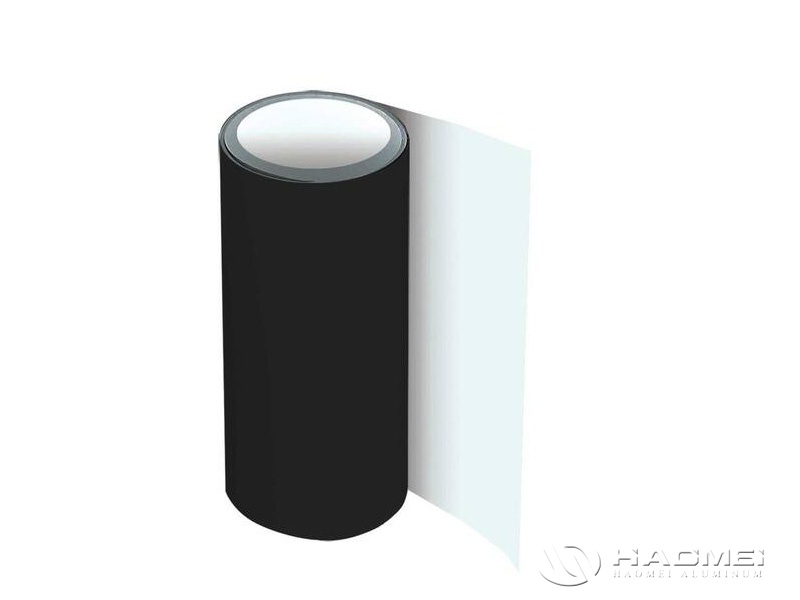
With the right paint and surface treatment, aluminum coil provides a clean and durable decorative finish suitable for residential and commercial exteriors.
3. Long Service Life
Properly selected alloy and coating combinations can perform well for many years in outdoor exposure.
4. Broad Product Flexibility
Coil stock can be supplied in multiple colors, widths, gauges, and finishes, making it adaptable for both standard and custom applications. Buyers looking for Aluminum Trim Coil often prioritize this flexibility because trim details vary significantly by project type.
5. Competitive Lifecycle Cost
Even when aluminum coil stock prices move upward with the metal market, the material often remains cost-effective when maintenance, durability, and installation efficiency are considered together.
Main Applications of Aluminum Coil Stock
Aluminum coil stock serves a wide range of industries, but construction remains one of the largest.
Building Trim and Exterior Wrapping
Used for fascia, window capping, door trim, rake trim, and other exposed details where appearance and weather resistance are essential.
Siding and Roofing Accessories
Coil stock is fabricated into flashing, drip edge, and transition pieces that support weatherproof building envelopes.
Gutters and Drainage Components
Selected gauges and alloys are used for roll-forming gutter systems and related accessories.
Appliance and Equipment Panels
Certain coil products are used in housings and decorative covers where lightweight corrosion-resistant sheet is needed.
Transportation and Industrial Fabrication
Higher-strength alloys such as 5052 can support specialized fabrication requirements beyond standard architectural use.

How I Evaluate Price Competitiveness as an Industry Insider
When customers ask me whether current aluminum coil stock prices are reasonable, I look at more than the quoted number per ton or per roll. I compare:
Actual alloy and temper against the intended use
Thickness tolerance consistency
Coating specification and warranty level
Edge condition and forming reliability
Packing protection for long-distance shipment
Supplier consistency across repeated orders
A supplier offering stable gauge control and reliable coating quality often creates more value than one chasing the lowest short-term price. This is especially true in trim coil, where appearance defects are immediately visible after installation.
Practical Buying Advice
If you are sourcing aluminum coil stock for distribution or project use, I recommend confirming the following before placing an order:
Alloy and temper specification
Thickness, width, and coil weight range
Coating type and color standard
Indoor or outdoor exposure requirements
Required forming performance
Packaging details for transport and storage
From a market perspective, timing also matters. Aluminum coil stock prices can shift with raw material fluctuations, seasonal construction demand, and freight costs. Buyers who define specifications clearly and plan purchases ahead usually achieve better overall value than those who buy only on urgent spot demand.
For professionals who understand the difference between metal cost and installed cost, aluminum coil stock remains one of the most practical and dependable material choices in the modern exterior building market.
ABOUT US
PRODUCTS
APPLICATION
CONTACT US
Mobile: +86-18137889531 (same number on WeChat)
Phone: +86-371-65621391
Email: nydia@aluminumhm.com
No.14 Waihuan Road, CBD,
Zhengzhou, China


Copyright © 2026 Haomei Aluminum CO., LTD.