
nydia@aluminumhm.com

News
Haomei Aluminum CO., LTD.
027 Aluminum Coil Stock
027 aluminum coil stock is widely specified in exterior trim, rainware accessories, facade finishing, and light-forming applications where a balanced combination of rigidity, corrosion resistance, and fabrication performance is required. For importers, contractors, and distributors, understanding how 027 aluminum coil stock performs in different climates and processing environments is essential for choosing the right alloy, temper, coating, and packaging standard.
From an export and technical perspective, 027 aluminum coil stock is not just a thickness reference. It is a product category that must be evaluated by total system performance: base metal quality, paint adhesion, bendability, gloss consistency, color stability, and logistics reliability. Buyers who compare only price often miss the real cost drivers, including wastage during roll forming, surface damage in transit, or color mismatch across production lots.
What Does 027 Aluminum Coil Stock Mean?
In practical market language, 027 aluminum coil stock usually refers to aluminum coil with a nominal thickness of 0.027 inch, commonly used in architectural trim and cladding support applications. This thickness level sits above lighter decorative gauges and offers better shape retention during brake forming, edging, and installation.
For many overseas buyers, 027 aluminum coil stock is selected when 0.019 inch or 0.024 inch material does not provide enough stiffness, especially in regions with high wind loads, stronger thermal cycling, or more demanding site handling. It is also preferred where installers need cleaner folds and reduced oil-canning on visible surfaces.
Common width options vary by application, but trim-related programs often overlap with broader Aluminum Coil Stock supply chains. Depending on the destination market, coils may be slit, recoiled, embossed, or color matched to local siding and roofing systems.
Technical Specifications Buyers Should Check
When sourcing 027 aluminum coil stock, serious buyers normally review more than thickness tolerance. A reliable specification sheet should include:
Alloy grade, often from 3003, 3105, or related architectural series
Temper condition for forming performance
Thickness tolerance and width tolerance
Coating system, such as polyester or PVDF
Paint thickness on face and reverse side
Pencil hardness, adhesion, and impact resistance
Salt spray and UV durability data
Coil inner diameter, outer diameter, and unit weight
Protective film and packing details
These points affect how 027 aluminum coil stock behaves in production and on the job site. A technically sound coil should bend without edge cracking, maintain stable color under sunlight, and resist chalking in coastal or high-humidity environments.
Alloy and Coating Choices for 027 Aluminum Coil Stock
The best alloy for 027 aluminum coil stock depends on whether the priority is formability, flatness, strength, or surface quality. In export building-material markets, 3003 and 3105 are among the most common options because they offer a useful balance between corrosion resistance and workability.
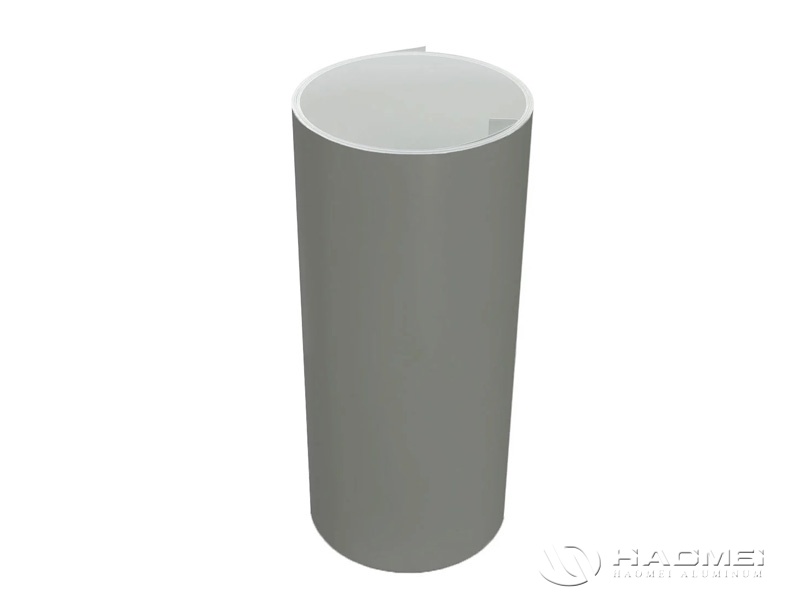
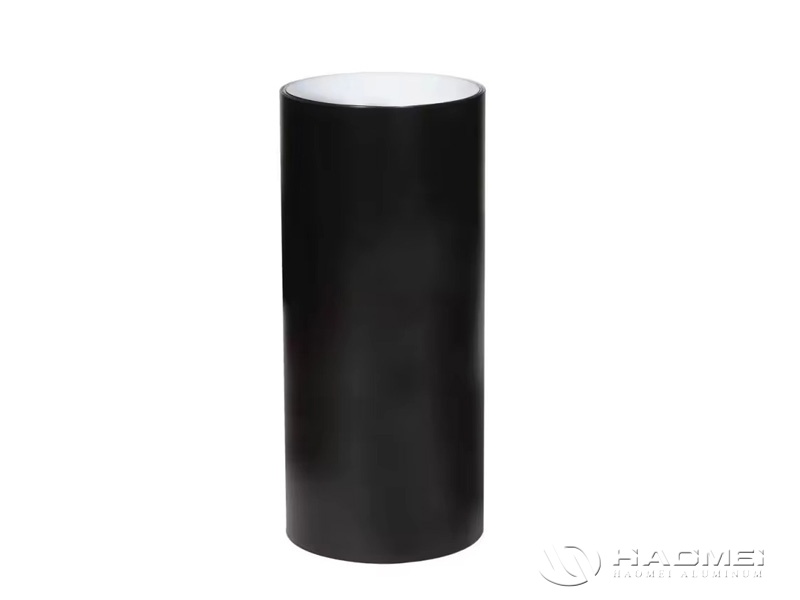
Coating choice is equally important. Polyester-coated 027 aluminum coil stock is often used for standard trim and general exterior applications where cost efficiency matters. PVDF-coated material is usually selected for premium weather resistance, stronger color retention, and projects exposed to aggressive sunlight or marine conditions.
For distributors serving residential renovation channels, the surface finish may matter as much as the substrate. Smooth finishes remain common, while textured finishes can help mask minor handling marks and provide a more traditional appearance. Buyers expanding their trim product range often compare standard stock with Aluminum Trim Coil formats to align with local fabrication habits.
Where 027 Aluminum Coil Stock Is Commonly Used
027 aluminum coil stock appears in a wide range of light architectural and finishing applications. Typical examples include:
Window and door trim
Fascia and soffit accessories
Gutter trim and capping
Roof edge details
RV and mobile structure trim
Decorative flashing
Equipment enclosures
Light-duty wall panel fabrication
In these uses, 027 aluminum coil stock is valued because it can be formed with standard equipment while still providing improved stiffness over thinner alternatives. For fabricators, that means easier handling and fewer surface distortions during bending.
Processing Performance in Fabrication
A technically acceptable 027 aluminum coil stock product must perform well during slitting, roll forming, stamping, and manual brake bending. This is where production experience matters. Material that looks acceptable in the coil can still create issues if paint flexibility is poor or if camber control is inconsistent.
From a processor's viewpoint, the main performance concerns include:
027 Aluminum Coil Stock and Bendability
027 aluminum coil stock should maintain coating integrity when bent to the required radius. If the coating becomes brittle, cracking may appear along formed edges. This risk increases in cold-weather fabrication or where coatings are over-cured.
027 Aluminum Coil Stock and Surface Quality
Surface quality influences not only appearance but also downstream yield. Scratches, roller marks, and waviness can reduce sellable output. For visible trim applications, buyers usually request better cosmetic control than for hidden components.
027 Aluminum Coil Stock and Dimensional Stability
Coils with poor flatness or edge condition may reduce line speed and increase scrap. In export transactions, dimensional consistency is especially important because overseas customers often process large volumes with limited tolerance for variation across shipments.
How to Evaluate Supplier Quality
A qualified supplier of 027 aluminum coil stock should be able to provide traceable production records, coating test reports, and export packing photos. Buyers should also ask practical questions rather than relying only on a brochure.
Useful checkpoints include:
Is the thickness measured before or after coating?
What is the standard gloss range and color tolerance?
Are both sides coated, and at what dry film thickness?
What alloy-temper combinations are kept in regular production?
Can the supplier match regional color cards?
How is moisture protection handled for sea freight?
Are test certificates available for each batch of 027 aluminum coil stock?
These questions reveal whether a mill or exporter understands actual application risks. In global trade, technical communication often separates dependable long-term suppliers from purely price-driven traders.
Market Trends Affecting 027 Aluminum Coil Stock
Current demand for 027 aluminum coil stock is influenced by several market factors. Renovation activity remains strong in many regions, especially where contractors prefer prefinished trim materials that reduce on-site painting. At the same time, sustainability requirements are pushing more buyers toward aluminum because of its recyclability and long service life.
Another trend is color diversification. Traditional white, brown, black, and gray remain dominant, but custom architectural tones are gaining traction in premium projects. This creates both opportunity and risk. Small-batch custom colors can improve margins, but they require tighter planning around minimum order quantities and lead times.
Raw material volatility also affects procurement strategy. When aluminum ingot prices move sharply, buyers of 027 aluminum coil stock should clarify whether quotations are based on fixed conversion premiums, floating LME mechanisms, or validity windows tied to exchange conditions.
Export Considerations for Overseas Distributors
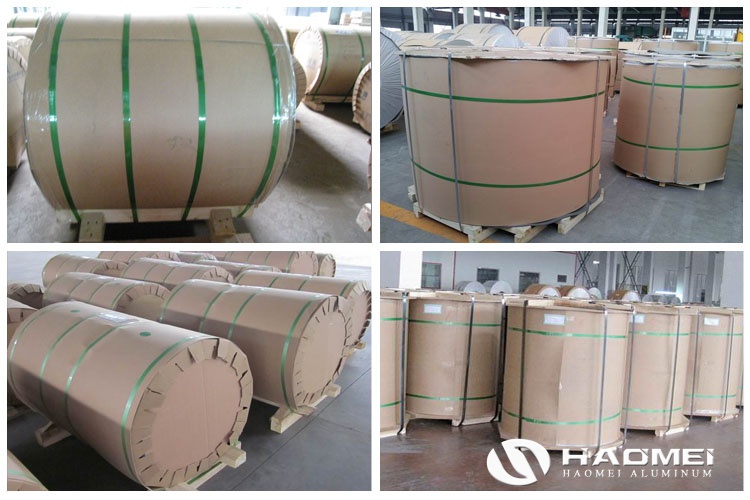
For international buyers, product quality is only one part of the purchasing decision. Export execution matters just as much. A shipment of 027 aluminum coil stock can lose value quickly if packaging fails under humid marine transit or if labels do not match customs and warehouse requirements.
Good export practice typically includes:
Moisture-proof wrapping
Seaworthy wooden pallets or reinforced skid support
Edge protectors and coil securing belts
Clear label identification by thickness, color, batch, and weight
Reasonable container loading plans to reduce movement damage
Distributors should also confirm whether the 027 aluminum coil stock is supplied with protective film, especially for high-gloss or premium architectural finishes. Film quality and peelability are often overlooked until installation complaints appear.
Choosing the Right 027 Aluminum Coil Stock for Your Market
The correct 027 aluminum coil stock program depends on end use, climate, customer expectations, and processing equipment. For standard residential trim, a polyester-coated product may deliver the right balance of cost and function. For projects in coastal zones or harsh UV regions, a more advanced coating system can provide better lifecycle value.
If your customer base includes contractors who do on-site forming, focus on flexibility, scratch resistance, and color consistency. If your business supplies industrial fabricators, prioritize tolerance control, recoiling quality, and stable mechanical performance. In either case, 027 aluminum coil stock should be purchased as a complete application solution rather than as a thickness-only commodity.
A disciplined sourcing approach usually leads to better outcomes: define the application, verify alloy and coating data, request realistic samples, and review packing standards before placing volume orders. In competitive export markets, this is how distributors reduce claims, protect reputation, and build repeat business with confidence.
ABOUT US
PRODUCTS
APPLICATION
CONTACT US
Mobile: +86-18137889531 (same number on WeChat)
Phone: +86-371-65621391
Email: nydia@aluminumhm.com
No.14 Waihuan Road, CBD,
Zhengzhou, China


Copyright © 2026 Haomei Aluminum CO., LTD.